
Dog Home Grooming Safety Checklist

Groomingdales guide

Dog Home Grooming Safety Checklist

Help owners prevent common home grooming accidents by checking tool placement, blade choice, skin risks, face-wash safety, and irritation points before and during a grooming session.

Published May 25, 2026

Home grooming accidents usually come from small preventable mistakes, not from one dramatic mistake. A tool gets set down where a paw can land on it, a blade that works fine on the back gets used too close to a fold, or brushing keeps going after the skin has already had enough friction.

is why a short safety check matters before you clip, trim, or scrub anything. If you pause to review sharp-tool placement, delicate body areas, face products, and early irritation signs, the whole session becomes easier to control.

Quick read

Key takeaways

  • Build the grooming routine around the jobs that most often cause discomfort or buildup, not around a perfect all-at-once schedule.
  • Use tools that are gentle enough to repeat regularly and simple enough to keep within reach.
  • When a basic home routine stops working, treat that as a clue to inspect the skin, coat, or nails more closely instead of cleaning harder.

Checklist

Set up the space so sharp tools cannot turn into paw injuries

Dog Home Grooming Safety Checklist gets easier when you break the job into small repeatable steps instead of waiting for buildup.
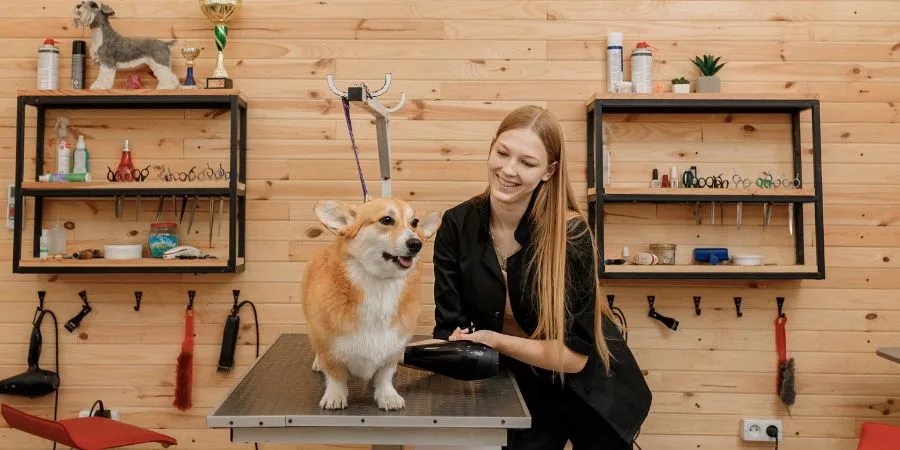
  • essential Clear the grooming surface before bringing the dog fully into position.
  • essential Return scissors to a holster or safe tray between trimming passes.
  • essential Check the floor too so dropped tools do not stay hidden under towels or cords.
Dog Home Grooming Safety Checklist

Checklist

Slow down around folds, ears, nipples, and other easy-to-nick areas

Dog Home Grooming Safety Checklist gets easier when you break the job into small repeatable steps instead of waiting for buildup.
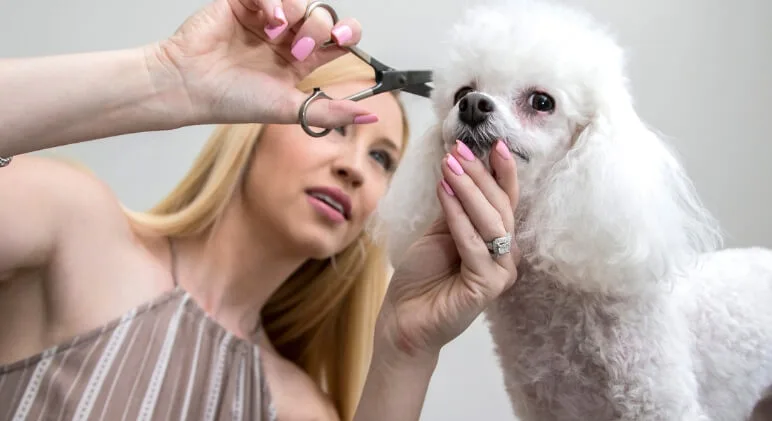
  • essential Treat ear edges, eye corners, lips, tuck-up skin, and nipples as separate caution zones.
  • recommended Use slower passes and recheck skin tension before every short clip near folds.
  • recommended If you are unsure about the area, stop and reset instead of forcing one more pass.
Dog Home Grooming Safety Checklist
Sponsored

Checklist

Check for hidden trouble spots while the coat is drying and separating

Dog Home Grooming Safety Checklist gets easier when you break the job into small repeatable steps instead of waiting for buildup.
  • essential Run your hands over the dog as the coat dries so you notice raised areas early.
  • recommended Mark mental stop points near lumps, tags, and the outer ear fold before trimming.
  • recommended Use extra care on the face and ears where one rushed movement creates the most visible injury.
Dog Home Grooming Safety Checklist

Checklist

Watch the skin, not just the fur, while washing, brushing, and clipping

Dog Home Grooming Safety Checklist gets easier when you break the job into small repeatable steps instead of waiting for buildup.

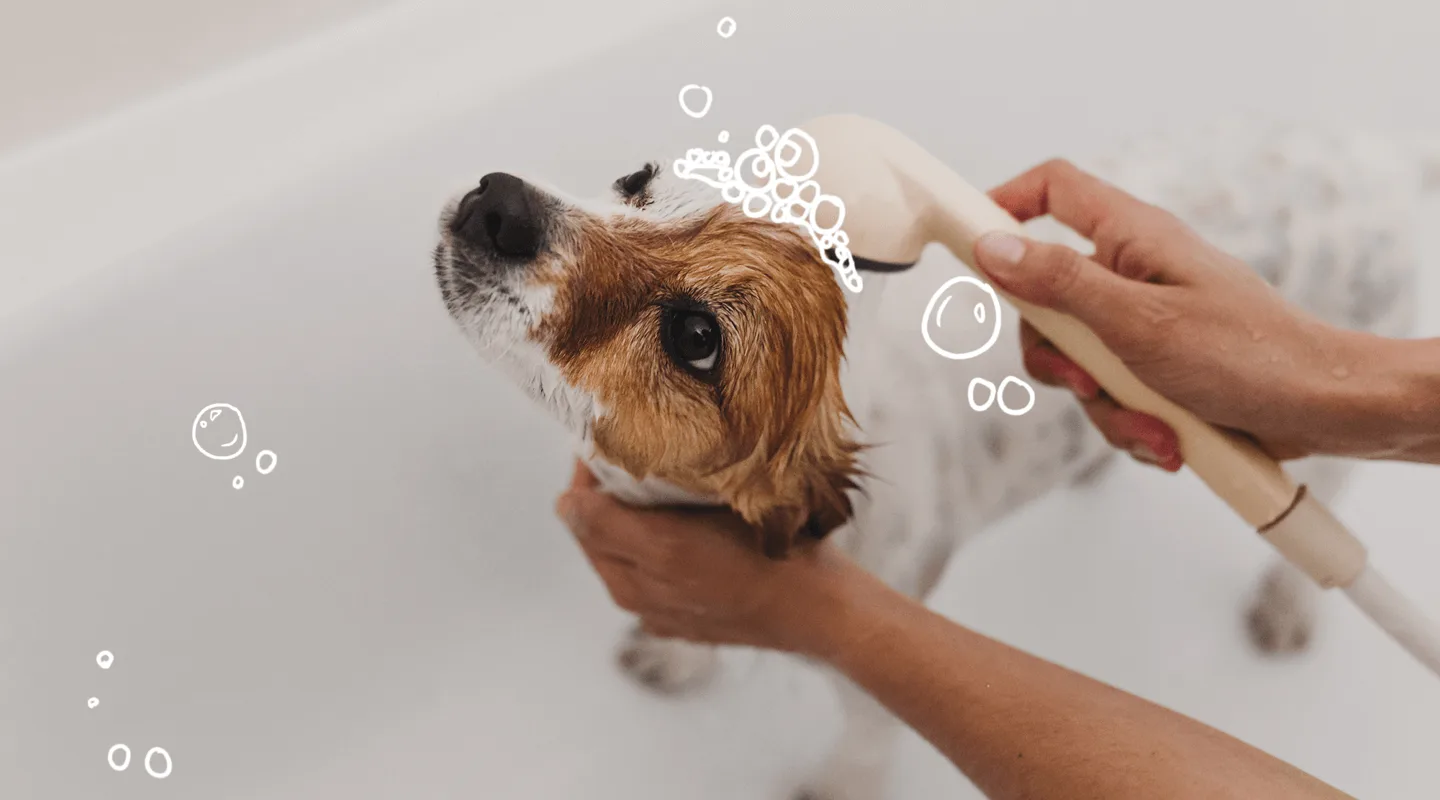
  • essential Use face-safe products carefully and rinse immediately if anything reaches the eyes.
  • recommended Rotate brushing pressure and stop if the same patch of skin is turning pink.
  • recommended Clip only clean, well-prepped coat and switch out dull or overheated blades early.

FAQ

Frequently asked questions

What is the easiest safety mistake to avoid before grooming starts?

Loose sharp tools are one of the easiest preventable risks. Put scissors and similar tools in a holster or stable tray instead of leaving them on the table where a paw or elbow can knock them loose. That keeps dog home grooming safety checklist tied to a real home-care routine instead of guesswork.

Which body areas need the most caution when clipping at home?

Skin folds, ear edges, lips, nipples, genitals, and other thin or uneven areas need the most caution. Treat them as separate slow zones rather than clipping them the same way you clip flatter coat sections. That keeps dog home grooming safety checklist tied to a real home-care routine instead of guesswork.

How do you know when brushing or clipping is irritating the skin?

Stop when you notice redness, heat, repeated flinching, or the dog trying to pull away from the same spot. Those signs usually mean the skin needs a reset, a gentler tool choice, or a cleaner better-prepped coat before you continue. For dog home grooming safety checklist, shorter calmer sessions usually hold up better than trying to do everything at once.

Sponsored