A Beginner’s Guide to Grooming a Dog With Clippers at Home

Groomingdales guide

A Beginner’s Guide to Grooming a Dog With Clippers at Home

Explore A Beginner’s Guide to Grooming a Dog With Clippers at Home through the specific situations and details in the selected article.

Published August 28, 2026

Only certain dogs require periodic coat maintenance, and those that do typically need their fur trimmed anywhere from once every month to once every two months.

Breeds with continuously growing coats—especially Poodles, Shih Tzus, and Lhasa Apsos—along with sporting breeds such as spaniels are the ones most likely to benefit from routine clipping. Keeping their hair at a manageable length prevents painful tangles and keeps the pet looking sharp.

How to groom your spaniel at home (with clippers)

In this video I will share actionable tip you can use at home if you want to clip your spaniel. This will help you to achieve as good a ...

  • Channel: Snip Of Dogs

Video source: Snip Of Dogs

Quick read

Key takeaways

  • Build the grooming routine around the jobs that most often cause discomfort or buildup, not around a perfect all-at-once schedule.
  • Use tools that are gentle enough to repeat regularly and simple enough to keep within reach.
  • When a basic home routine stops working, treat that as a clue to inspect the skin, coat, or nails more closely instead of cleaning harder.

If you plan to trim your dog's fur at home, upgrading to professional-grade equipment pays off. A well-cared-for clipper can last for years, and many groomers swear by models like the Wahl KM10, which usually arrives with a number 10 blade installed—perfect for beginners.

Clipper blades use a numbering system where larger numbers equal shorter cuts. A number 40 blade produces an ultra-close shave commonly used in veterinary clinics, while a number 4 blade leaves a soft, plush finish favored by groomers who want a moderate length. The number 10 blade sits in between and is a solid starting point for home grooming.

Attachment comb kits like the Wahl Stainless Steel Attachment Combs Kit are a worthwhile investment and pair seamlessly with popular clippers, giving you adjustable cutting lengths for different areas of the coat.
A Beginner’s Guide to Grooming a Dog With Clippers at Home

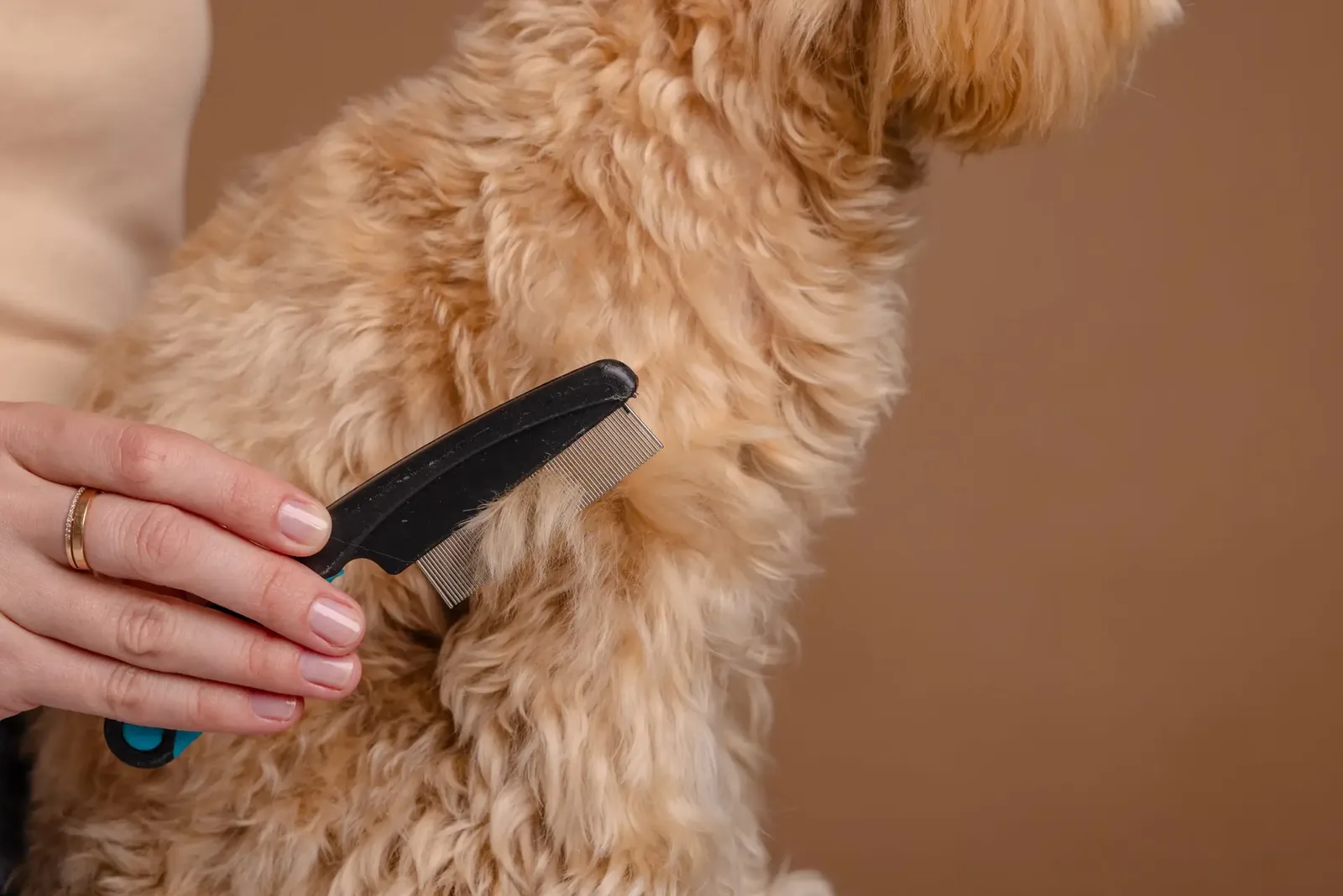
Start with a bath, then dry the coat completely—clipping damp fur damages the blades and produces uneven results. Once dry, brush and comb through the entire coat to eliminate any tangles or mats.

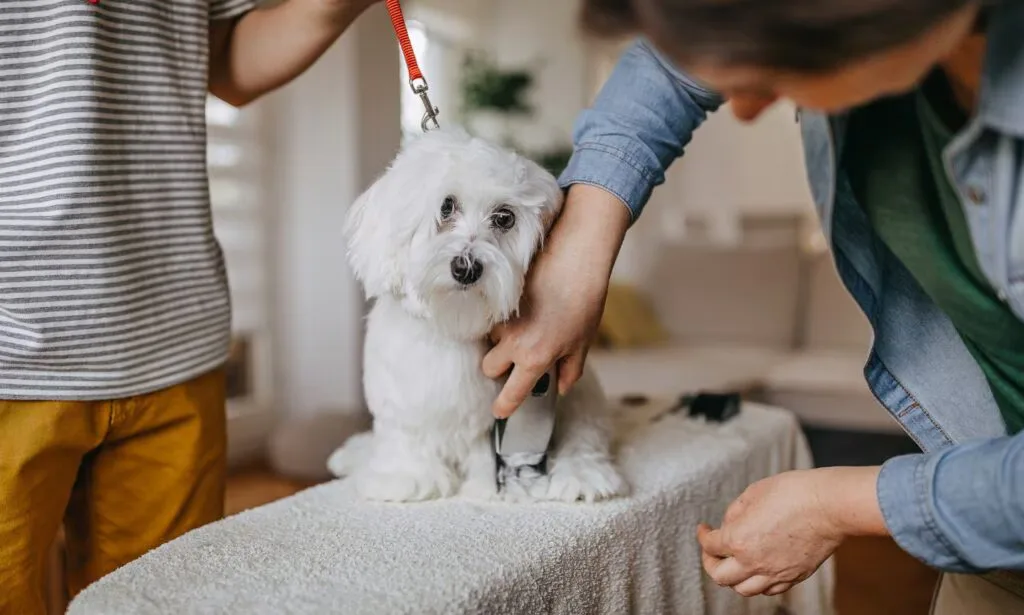
Choose a quiet, stable area with a non-slip surface. Because dogs move unpredictably and sharp blades demand careful handling, consider using a grooming arm, assistant, or restraint if your pet tends to squirm.

For dogs unfamiliar with clippers, begin a desensitization routine: turn the clippers on near your pet without touching the coat, let them sniff the running device, and gradually bring the quiet-operating clippers across their body until they accept the sensation.

A Beginner’s Guide to Grooming a Dog With Clippers at Home
Sponsored

Begin with a number 10 blade on sensitive zones. Trim hair around the sanitary area near the rear and genital region to prevent waste from sticking to the coat. Hold the blade flat against the skin to minimize nicks; if you are uncertain, attach a guide comb first.

The same blade is ideal for cleaning between paw pads, removing hair that collects dirt and causes uncomfortable matting. You can also carefully shorten stray hairs near the inner corners of the eyes.

When working the main body, follow the natural direction of hair growth—from the neck toward the tail and from the shoulders and hips down toward the legs. Some owners prefer running the clippers against the grain for a closer, more uniform finish, though this will produce a slightly shorter result than your guide comb suggests.

A Beginner’s Guide to Grooming a Dog With Clippers at Home

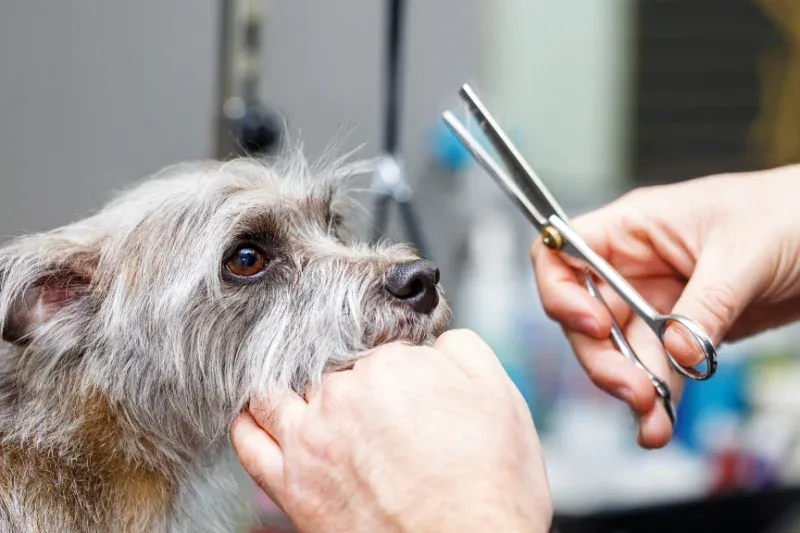
After clipping, brush and comb the coat once more to identify and even out any missed spots. Use blunt-tipped scissors for detailed work around the face, feet, and tail.

Store all grooming tools in a dry location out of your pet's reach. Brushes in particular attract curious chewing, so keep them secured when not in use.

Stop immediately if your dog becomes panicked, struggles in a way that makes blade control unsafe, or if the clipper head feels hot against your wrist. Never force clippers through tight mats or operate them over red, broken, swollen, or oozing skin.

Leave severe matting and fragile areas to a professional groomer. Call a veterinarian if you encounter bleeding that will not stop, signs of infection, ongoing pain, or any skin condition that your grooming session reveals.

FAQ

Frequently asked questions

How often should a dog that needs haircuts be trimmed?

Most dogs requiring regular trims do well on a four-to-eight-week schedule, though individual coat type, growth speed, and the style you maintain may adjust that timeline. On a beginner s guide to grooming a dog with clippers at home, that timing works best when you act before buildup becomes obvious.

Should you clip before or after bathing your dog?

Bath first, then dry the coat completely and detangle every section before clipping. Clean, dry, brushed fur cuts more evenly and protects your blade from premature wear. For a beginner s guide to grooming a dog with clippers at home, the safer version is usually the one that leaves less cleanup and less stress afterward.

How can you avoid nicking your dog's skin while clipping?

Keep the blade flat against the skin, use a guide comb when you are unsure, work on a steady non-slip surface, and never attempt to push clippers through a tight mat. Stop and reassess if your dog cannot stay safely still. For a beginner s guide to grooming a dog with clippers at home, the safer version is usually the one that leaves less cleanup and less stress afterward.

When should you stop clipping and contact a veterinarian?

Stop if you discover inflamed, broken, swollen, painful, or oozing skin. Reach out to a vet for persistent bleeding, infection indicators, significant distress, or any skin issue that requires medical diagnosis rather than routine grooming. On a beginner s guide to grooming a dog with clippers at home, that timing works best when you act before buildup becomes obvious.

Sponsored