A Complete At-Home Dog Grooming Routine From Coat to Paws

Groomingdales guide

A Complete At-Home Dog Grooming Routine From Coat to Paws

Give owners a repeatable head-to-paw grooming routine with the right tools, realistic timing, complete drying, and clear stop signs.

Published September 1, 2026

An effective at-home grooming session goes well beyond a quick brush-through or an occasional wash. It functions as a systematic head-to-tail inspection that clears loose fur and surface debris while letting you examine the skin, ears, eyes, nail beds, teeth, and paw pads for anything unusual.

Every dog deserves a plan matched to their individual build and habits. The length and texture of their coat, how much they shed, how much time they spend outdoors, their age, and their comfort with handling all shape what fits into a manageable weekly routine versus what belongs in a professional groomer's chair or a veterinary clinic.

Routine grooming combines coat care with regular checks of the teeth, eyes, ears, nails, and paws; timing depends on breed and coat type.

Dog Grooming Steps for Dummies

The ultimate “dog grooming for beginners” steps to successful dog grooming sessions. Whether you are grooming a poodle, ...

  • Channel: Go Groomer

Video source: Go Groomer

Quick read

Key takeaways

  • Build the grooming routine around the jobs that most often cause discomfort or buildup, not around a perfect all-at-once schedule.
  • Use tools that are gentle enough to repeat regularly and simple enough to keep within reach.
  • When a basic home routine stops working, treat that as a clue to inspect the skin, coat, or nails more closely instead of cleaning harder.

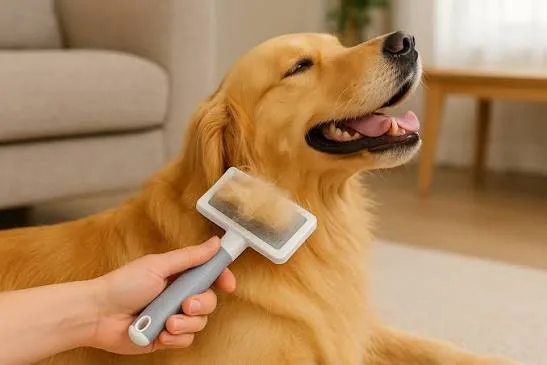
Lay out a non-slip mat, a handful of absorbent towels, a brush suited to your dog's coat, a metal comb, a gentle dog shampoo, cotton balls or a soft washcloth, nail clippers or a grinder, styptic powder, and a canine toothbrush paired with dog toothpaste. Pin brushes tend to suit longer coats, bristle brushes work well on short or medium fur, slicker brushes lift loose hair and light tangles effectively, and rubber curry combs perform nicely on smooth-coated breeds.

Keep clippers and grinders away during the opening minutes. Allow the dog to investigate the brush or tool, make brief contact with a low-stress area like the shoulder, and offer praise and treats for steady behavior. A calm introduction prevents the session from devolving into a stressful restraint attempt where nothing gets done properly.

Select a flat, well-lit workspace with easy access to every item you will need. Should your dog be unable to stand comfortably, repeatedly bolt, or show aggression toward a tool, divide the work into shorter segments or arrange for a professional groomer rather than pushing through.

  • Non-slip mat and absorbent towels
  • Brush and comb selected for the coat
  • Dog shampoo, nail tool, styptic powder, ear cloth, toothbrush, and dog toothpaste
A Complete At-Home Dog Grooming Routine From Coat to Paws

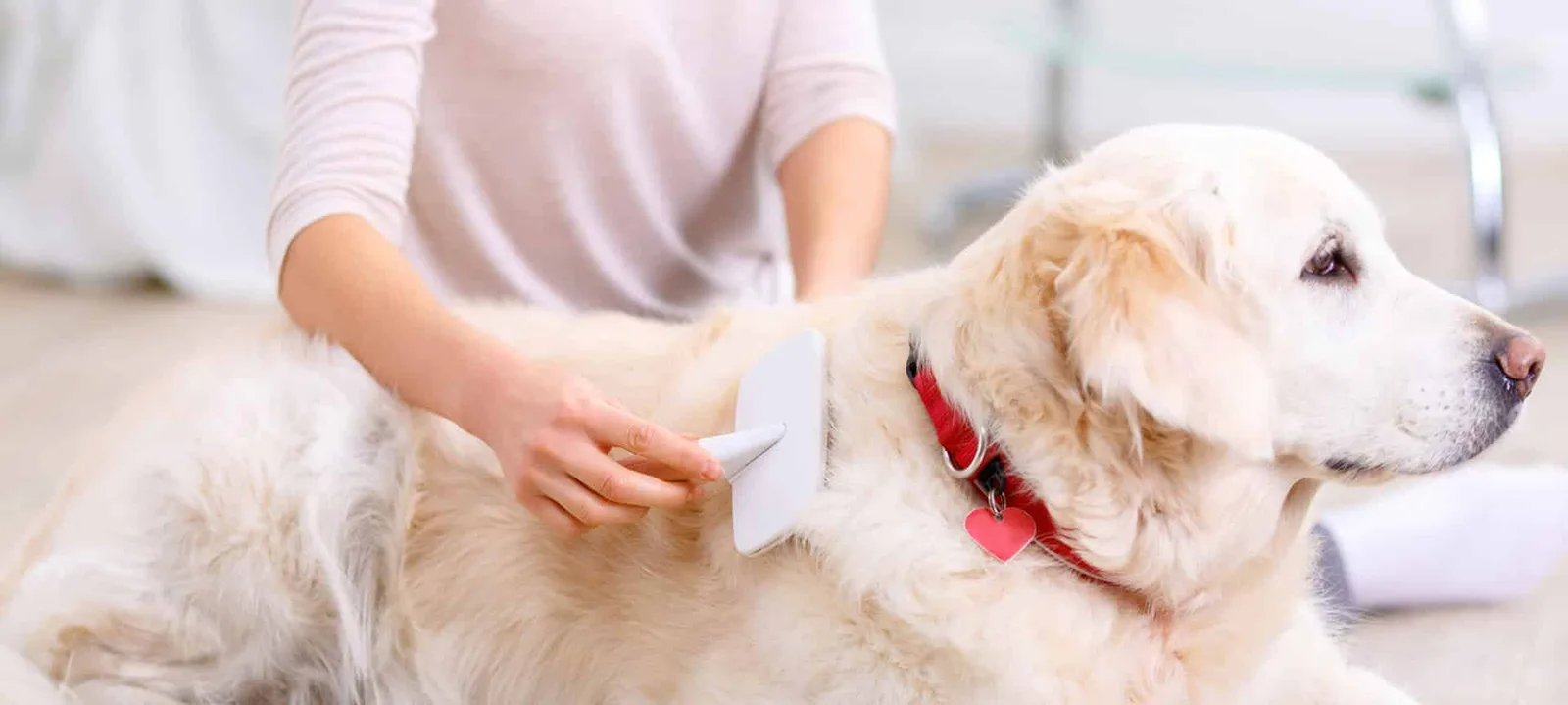
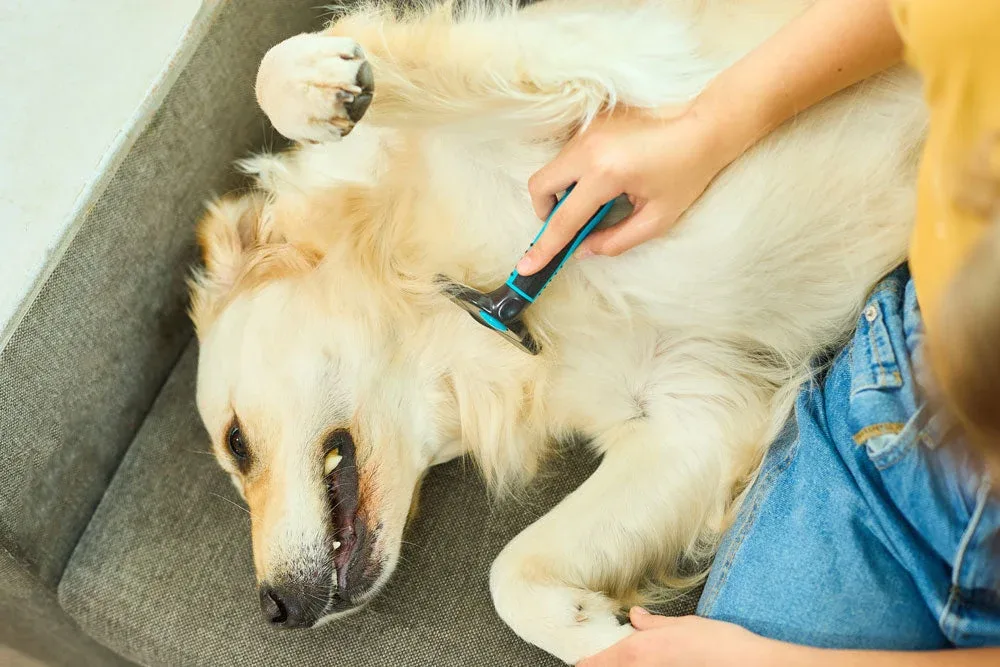
Brushing must happen before any bath, since wetting a tangled coat only tightens the knots further. Move through small sections at a time, working from the shoulders back toward the tail and down each leg, lifting the longer hair so the brush can reach past the surface without dragging harshly across the skin.

The regions most vulnerable to mat formation deserve extra time: behind the ears, underneath the front legs, around the collar line, and between the back legs. After running the brush through an area, finish with a metal comb sliding from skin to hair tip to confirm no hidden snags remain.

If the comb catches, hold the fur near the skin to ease tension and gently tease apart the tangle bit by bit. Never force scissors under a mat, and stop immediately if the skin turns pink or the dog shows signs of pain.

  • Brush before water reaches a tangled coat
  • Finish each brushed section with a comb from skin to hair tip
  • Stop at redness, pain, broken skin, or tight mats close to the body
A Complete At-Home Dog Grooming Routine From Coat to Paws
Sponsored

Close contact while brushing reveals far more than loose fur. Look carefully for burrs, embedded plant material, cuts, scrapes, scabs, swollen spots, tender lumps, fleas, unexpected bald patches, or areas that look inflamed or emit an odd smell.

Mats commonly develop behind the ears and under the legs, so patrol those zones with extra care. When you spot something problematic, resist the urge to keep digging at it with a brush or comb.

A professional groomer can tackle difficult coat removal safely, but any skin that appears painful, inflamed, broken, or infected requires a veterinarian's assessment before you continue grooming.

A Complete At-Home Dog Grooming Routine From Coat to Paws

Regular bathing matters, but washing too often strips the natural oils that keep both skin and coat healthy. Wait until the dog is visibly dirty, feels oily, or carries an odor before proceeding.

Position the dog on a secure non-slip surface and use warm—not hot—water. Apply a mild shampoo formulated for dogs starting at the neck and moving backward. Keep shampoo and spray streams well clear of the eyes and ear canals, and avoid human products, which can irritate canine skin even when they feel gentle to our touch.

Rinse thoroughly until the water runs completely clear and the coat no longer feels slippery. Pay special attention to the armpits, belly, feet, and any dense areas where leftover residue likes to hide. Skipping a careful final rinse invites itching and discomfort.

  • Bathe for dirt, oil, or odor rather than by habit alone
  • Use warm water and dog-formulated shampoo
  • Rinse the belly, armpits, feet, and thick coat until no slick residue remains

Once rinsing is finished, let the dog shake off excess water, then press and blot with absorbent towels rather than scrubbing, which can reform tangles in long hair. Swap out towels as they saturate.

Direct extra attention to the feet, skin folds, the belly, and the base of the ears where moisture lingers. Smooth short coats may air-dry comfortably in a warm indoor room after thorough toweling, while dense, double, curly, or long coats typically benefit from a dog dryer set to cool or low-warm airflow.

Keep the dryer moving constantly, shield the face and ears from direct blasts, and halt immediately if the skin feels uncomfortably hot. Before declaring the job complete, feel down through the coat to the skin and check ear openings, the belly, and paw pads for hidden dampness. In cold weather, keep the dog indoors until fully dry, and seek veterinary guidance if shivering, weakness, or unusual distress appears after a bath.

  • Blot and press rather than scrubbing the coat with a towel
  • Use moving cool or low-warm airflow when dense coat needs help
  • Check the skin, feet, folds, and ears for hidden dampness

Nail checks should happen weekly even when trimming is not needed every single week. A clicking sound on hard flooring or a noticeable shift in gait usually means the nails have grown too long. Trim only the hooked tip, staying clear of the quick, and work one or two nails at a time if your dog shows anxiety. Keep styptic powder nearby for the occasional accidental nick, and seek veterinary care if bleeding persists despite firm pressure and powder application.

Ears warrant inspection and a sniff test at least once a month, more frequently for breeds or dogs prone to moisture buildup. Clean only the visible outer ear using a damp cloth or cotton ball, never inserting swabs or liquids deep into the canal. Dry the ears thoroughly after bathing or swimming. Severe redness, swelling, brown or yellow discharge, frequent head shaking, signs of pain, or a strong yeasty smell all call for a veterinary visit rather than repeated home cleaning.

Eye corners collect debris that can be gently wiped away with a warm, damp soft cloth—avoid rubbing the eyeball itself. Brush teeth daily when feasible and at minimum several times per week using dog toothpaste, since plaque accumulates rapidly. Red or painful eyes, persistent or one-sided discharge, facial swelling, bleeding gums, loose teeth, or refusal to eat are signs that a veterinarian should evaluate the issue.

All dogs shed to some degree. Consistent brushing helps control shedding and keeps your dog's coat looking its best.

  • Weekly nail and paw check
  • Monthly ear inspection or more often for moisture-prone dogs
  • Daily or several-times-weekly tooth brushing with dog toothpaste

Breed and coat type are the starting point for every timeline. Breeds like the Afghan Hound, Poodle, and Komondor demand frequent coat maintenance, while Beagles, Weimaraners, and Boxers generally need far less intensive grooming. For an average coat, several brushing sessions each week provide a solid baseline; long-coated breeds often do best with daily brushing, whereas smooth short coats can stretch longer between sessions while still benefiting from routine health checks.

Watch for practical signals rather than relying solely on a calendar. When the comb starts snagging more often, nails begin clicking on floors, ears accumulate debris between wipes, or odor returns after outdoor activity, those observations point directly to the adjustments your dog needs. Seasonal shedding, swimming sessions, mud exposure, and natural coat growth all shift the workload throughout the year.

Regular brushing removes dirt, debris, loose hair, and dandruff while helping distribute natural oils throughout the coat. When normal grooming feels like pain management or wound care instead, pause and contact a veterinarian. Open sores, lacerations, swelling, pus, persistent foul odor, sudden hair loss, marked tenderness, unexplained lumps that change or bleed, or any ear, eye, nail, or dental problem that recurs all warrant professional attention. Severe matting, challenging trims, and handling difficulties belong with a groomer.

  • Several brushing sessions weekly for many dogs, daily for mat-prone long coats
  • Adjust bath and trim timing to coat, activity, and what each check reveals
  • Choose a groomer for difficult coat work and a veterinarian for painful or abnormal tissue

FAQ

Frequently asked questions

How often should I brush my dog?

Most dogs do not require daily grooming, but several brushing sessions each week work well as a baseline. Long-coated breeds often do best with daily brushing, while smooth short-coated dogs may need less frequent sessions. Let the comb's performance and the amount of loose hair or tangling you find guide your schedule. On a complete at home dog grooming routine from coat to paws, that timing works best when you act before buildup becomes obvious.

Should I brush my dog before or after a bath?

Always brush and comb before bathing. Water tightens existing tangles, making them far harder to remove. After the coat is completely dry, run the comb through once more to catch any sections that clumped during the wash. For a complete at home dog grooming routine from coat to paws, the safer version is usually the one that leaves less cleanup and less stress afterward.

How should I dry my dog after bathing?

Allow the dog to shake first, then press water out with absorbent towels using a blotting motion rather than vigorous rubbing. Smooth-coated dogs may finish drying in a warm room, while dense, curly, double, or long coats usually need moving cool or low-warm dryer air until the coat is dry down to the skin. For a complete at home dog grooming routine from coat to paws, the safer version is usually the one that leaves less cleanup and less stress afterward.

How often should I clean my dog's ears?

Inspect the ears at least monthly and after baths or swimming. Wipe only the visible outer ear when debris is present. Dogs prone to ear trouble may need a veterinarian-approved cleaning routine more frequently. On a complete at home dog grooming routine from coat to paws, that timing works best when you act before buildup becomes obvious.

When should grooming findings lead to a vet visit?

Contact a veterinarian for open wounds, swelling, pus, a strong persistent odor, painful or oozing skin, sudden hair loss, severe ear redness or discharge, painful eyes, bleeding that will not stop, or any abnormality that keeps returning. On a complete at home dog grooming routine from coat to paws, that timing works best when you act before buildup becomes obvious.

Sponsored