Dog Breeds With Corded Coats — History, Grooming, and Care

Groomingdales guide

Dog Breeds With Corded Coats — History, Grooming, and Care

Explore Dog Breeds With Corded Coats — History, Grooming, and Care through the specific situations and details in the selected article.

Published August 13, 2026

AKC is a participant in affiliate advertising programs designed to provide a means for sites to earn advertising fees by advertising and linking to akc. org. If you purchase a product through this article, we may receive a portion of the sale.

Walking into a dog show with a corded-coated breed feels like stepping into another world. Those dramatic, cascading ropes of hair turn heads instantly—but behind every impressive coat is a story rooted in history, a commitment to unconventional maintenance, and a growing pattern that unfolds slowly over months or even years. No puppy arrives already sporting cords; instead, each dog carries the genetic potential, and the transformation depends entirely on coat texture, owner dedication, and deliberate handling.

The LONGEST groom I've EVER done! | The Komondor Dog

FLUFF OFF! GWTD DE-SHEDDING PRODUCT LINE* https://girlwiththedogs.com/shop *Check out our new channel for long-form ...

  • Channel: Girl With The Dogs

Video source: Girl With The Dogs

Quick read

Key takeaways

  • Build the grooming routine around the jobs that most often cause discomfort or buildup, not around a perfect all-at-once schedule.
  • Use tools that are gentle enough to repeat regularly and simple enough to keep within reach.
  • When a basic home routine stops working, treat that as a clue to inspect the skin, coat, or nails more closely instead of cleaning harder.

The word "cords" often gets swapped for "ropes of hair" in casual conversation, yet professionals insist on the accurate term. Each individual cord surrounds a living core of hair that continues to grow from the skin outward, protected by interwoven outer strands that lock together naturally over time. A newborn puppy's downy coat looks soft and fluffy, almost deceptive, with tiny developing cords tucked away beneath a layer of juvenile fluff that eventually sheds or grows out.

Dog Breeds With Corded Coats — History, Grooming, and Care

Most people assume any impressive dog coat demands aggressive brushing and daily combing. Cording flips that expectation entirely. The routine centers on patience, cleanliness, and intentional separation rather than tension from brushes. As the coat lengthens, the owner's job is to gently divide forming clumps into distinct cords before they fuse into one massive mat, which requires a watchful eye and consistent attention but zero traditional grooming tools.

Successful cording also requires a very specific coat type—one that combines length with a gentle curl. Breeds described as having hair rather than fur are the ones capable of developing this texture. The AKC recognizes seven breeds that may cord: the Bergamasco Sheepdog, Havanese, Komondor, Poodle, Puli, Pyrenean Shepherd, and Spanish Water Dog.

Dog Breeds With Corded Coats — History, Grooming, and Care
Sponsored

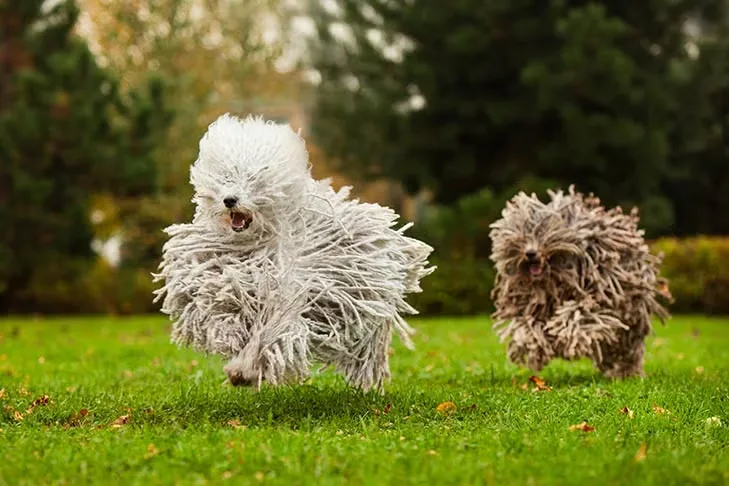
Though the same fundamental process applies across breeds, the visual result varies dramatically. Some produce dense, tightly wound strands that resemble braided cordage, while others yield wider, looser panels that drape across the body. The difference comes down to genetics, coat composition, and how much the owner intervenes during development.

Dog Breeds With Corded Coats — History, Grooming, and Care

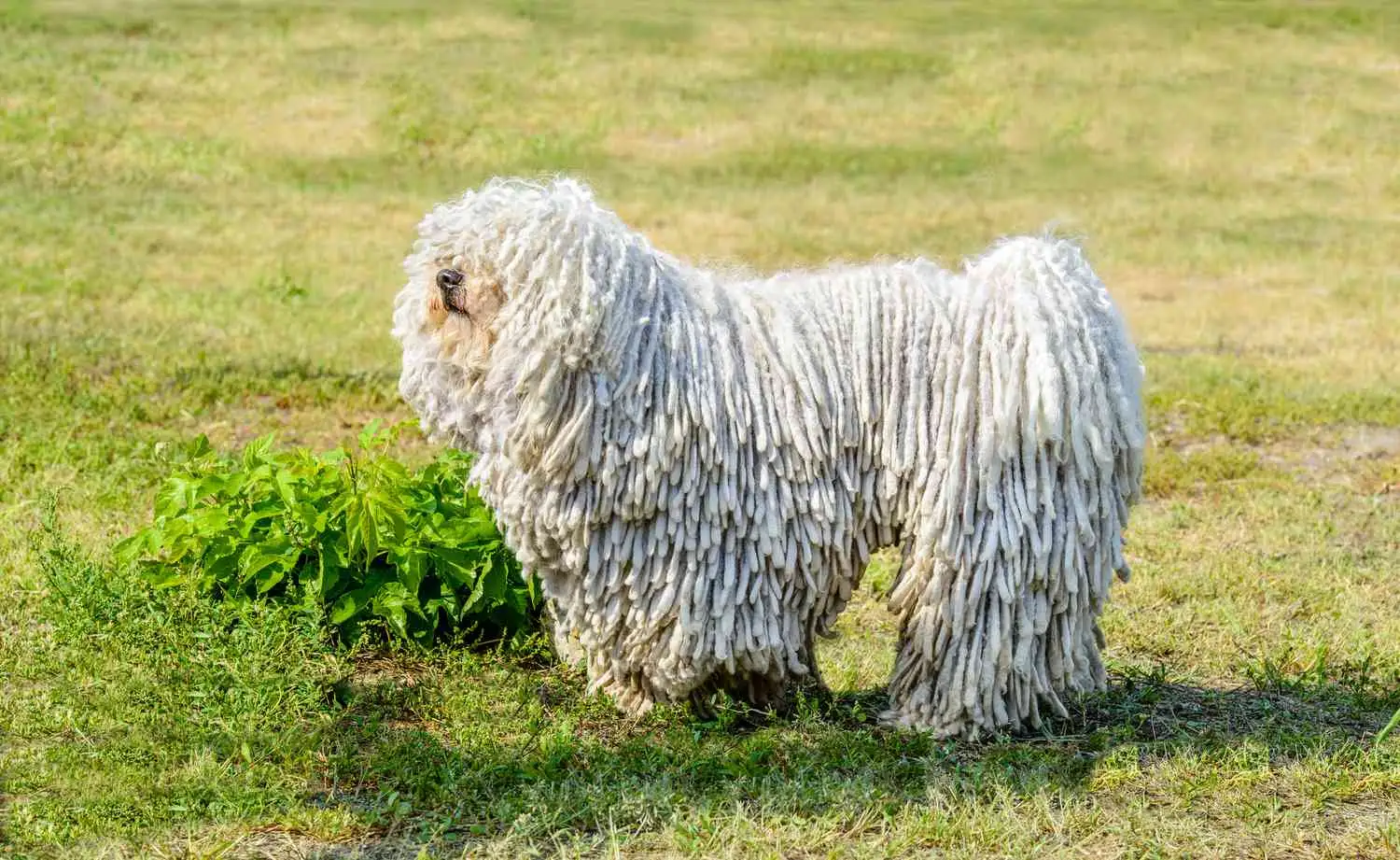
When most people picture a corded dog, the Komondor comes to mind first. These towering Hungarian livestock guardians carry floor-length white cords that completely envelop their body and face, creating a silhouette unlike anything else in the canine world. Working Komondors originated in Hungary as flock protectors, and their coats evolved large felted mats as a practical defense mechanism—predators found it difficult to bite through thick corded layers, while the dense coverage allowed the dog to merge visually with the sheep it guarded.

The official breed standard calls for a heavy, felt-like covering of tassel-shaped cords that extend across the entire body. This natural formation happens because the coarse, wavy outer coat traps a softer, woolly undercoat, and the two layers lock together without human intervention, though careful separation during the early stages helps the cords develop cleanly.

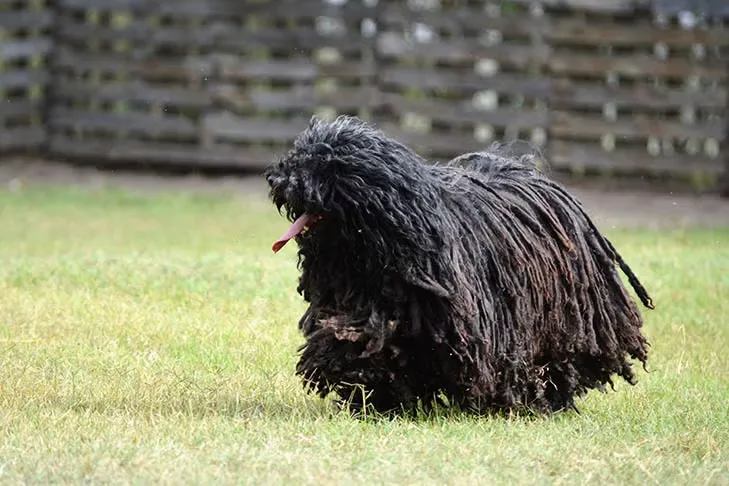
Hungary claims another iconic corded breed in the Puli, smaller and noticeably more agile than its Komondor cousin. Originally bred for herding livestock rather than guarding them, Pulik carried cords primarily on their rear quarters when working in the field, with handlers clipping the front short for practical mobility. Modern show Pulik appear either fully corded or brushed out, though the majority of adult exhibition dogs arrive at the ring with full cords.

According to the breed standard, Puli cords are woolly in texture and may vary between flat and round shapes, with thickness shifting based on the balance between the soft undercoat and the coarser outer layer.

The Bergamasco Sheepdog produces what many owners call flocks rather than cords—a broader, more open grouping of matted hair that can eventually reach the ground. Three distinct coat types interact on this breed: a goat-hair-like outer layer, a woolly undercoat, and a middle layer that bridges the two. The breed standard notes that these coat zones distribute unevenly across the body, meaning some areas develop denser flocking while others remain lighter.

This layered structure gives the Bergamasco its characteristic painterly appearance, with each flock moving independently and catching light differently.

Today's image of the Poodle centers on sculpted clips and polished show rings, but the corded Poodle carries a proud and lengthy heritage. Champion Achilles, recognized as England's first Poodle champion, reportedly displayed thirty-inch cords while standing just twenty-three inches at the shoulder—a staggering proportion that demonstrated the breed's natural cording ability long before modern grooming trends took hold.

Corded Poodles nearly vanished as fashion shifted toward trimmed appearances, yet they have seen a steady resurgence over recent decades. Most cording today occurs in Standard Poodles, though Miniature and Toy varieties are also capable of developing full cords.

At AKC conformation events, corded Poodles must still present an approved clip—the Continental remains the most frequently chosen arrangement. Cords on the mane, body, head, and ears run longer, while puffs, bracelets, and pompons stay deliberately shorter to meet standard requirements.

Owners report that certain coat colors tend to cord more readily than others, adding another variable to consider when evaluating a Poodle's potential for cording. Regardless of color, the fundamental maintenance rules stay consistent: minimal brushing, regular separation work, thorough drying after any exposure to moisture, and a commitment that spans months or years before the full coat achieves its mature form.

FAQ

Frequently asked questions

Do puppies arrive with full cords already formed?

No. Every corded-coat breed is born with a soft, fluffy puppy coat. Developing cords begin as small, hidden segments underneath that initial fluff and become visible only after the puppy coat sheds and the adult hair starts growing in. The transformation typically takes several months to years depending on the breed. For dog breeds with corded coats history grooming and care, the safer version is usually the one that leaves less cleanup and less stress afterward.

How often do I need to brush a corded coat?

Traditional brushing is essentially unnecessary and can actually interfere with cord formation. Instead, the owner separates developing mats into individual cords by hand as the coat grows. The focus is on gentle division and keeping the coat clean rather than detangling with brushes or combs. On dog breeds with corded coats history grooming and care, that timing works best when you act before buildup becomes obvious.

What happens if a corded coat gets wet?

Moisture requires thorough and complete drying to prevent skin issues and mildew inside the cord. Any dampness trapped within thick cords creates an environment where bacteria and fungi can grow, so drying after walks in rain or after swimming is essential. Proper drying involves separating cords and using airflow or low-heat methods until the inner core is fully dry. That keeps dog breeds with corded coats history grooming and care tied to a real home-care routine instead of guesswork.

Can I prevent my dog from cording if I don't want cords?

Yes. Breeds capable of cording can be kept in a brushed-out condition with regular grooming. Many owners choose to maintain their Puli or Poodle in a fluffy, open coat rather than allowing cords to form. The genetic potential remains, but consistent brushing and routine grooming prevent the matting process that creates cords. For dog breeds with corded coats history grooming and care, the safer version is usually the one that leaves less cleanup and less stress afterward.

Which AKC-recognized breeds can develop cords?

Seven AKC-recognized breeds have the coat type needed for cording: the Bergamasco Sheepdog, Havanese, Komondor, Poodle, Puli, Pyrenean Shepherd, and Spanish Water Dog. Each breed produces cords with different textures, sizes, and visual profiles based on its unique coat composition and genetic background. For dog breeds with corded coats history grooming and care, the safer version is usually the one that leaves less cleanup and less stress afterward.

Is cording a high-maintenance commitment?

Cording requires a different kind of maintenance rather than less overall effort. While brushing frequency drops dramatically, the process demands consistent time, attention to cleanliness, regular cord separation, and patience through a long development period. Owners must commit to the routine for months or years before the coat reaches its final appearance. That keeps dog breeds with corded coats history grooming and care tied to a real home-care routine instead of guesswork.

Sponsored