Budget Dog Grooming Tools Under $50: What Owners Should Check First

Groomingdales guide

Budget Dog Grooming Tools Under $50: What Owners Should Check First

Help dog owners decide whether budget dog grooming tools under $50 are useful, safe, and realistic for their dog's coat and comfort level.

Published July 6, 2026

Budget grooming tools can be genuinely useful, but only when they solve the right problem for the right dog. A tool that saves time on one coat can pull, scare, or irritate another dog if it is used in the wrong place.

Use the source idea as a starting point, then judge each tool by coat type, comfort, safety, cleaning effort, and whether it makes the dog's routine easier rather than just cheaper.

Top 5 Pet Essentials Under $50 in 2025

Here are the **Top 5 Pet Essentials Under $50 to Keep Your Pet Happy in 2025**, blending comfort, fun, and practicality for your ...

  • Channel: Mad City Reviews

Video source: Mad City Reviews

Quick read

Key takeaways

  • Build the grooming routine around the jobs that most often cause discomfort or buildup, not around a perfect all-at-once schedule.
  • Use tools that are gentle enough to repeat regularly and simple enough to keep within reach.
  • When a basic home routine stops working, treat that as a clue to inspect the skin, coat, or nails more closely instead of cleaning harder.

A low-cost grooming tool only helps when it matches a real coat problem. Before buying anything, decide whether the dog needs easier brushing, faster drying, safer nail care, better rinsing, or help with loose undercoat.

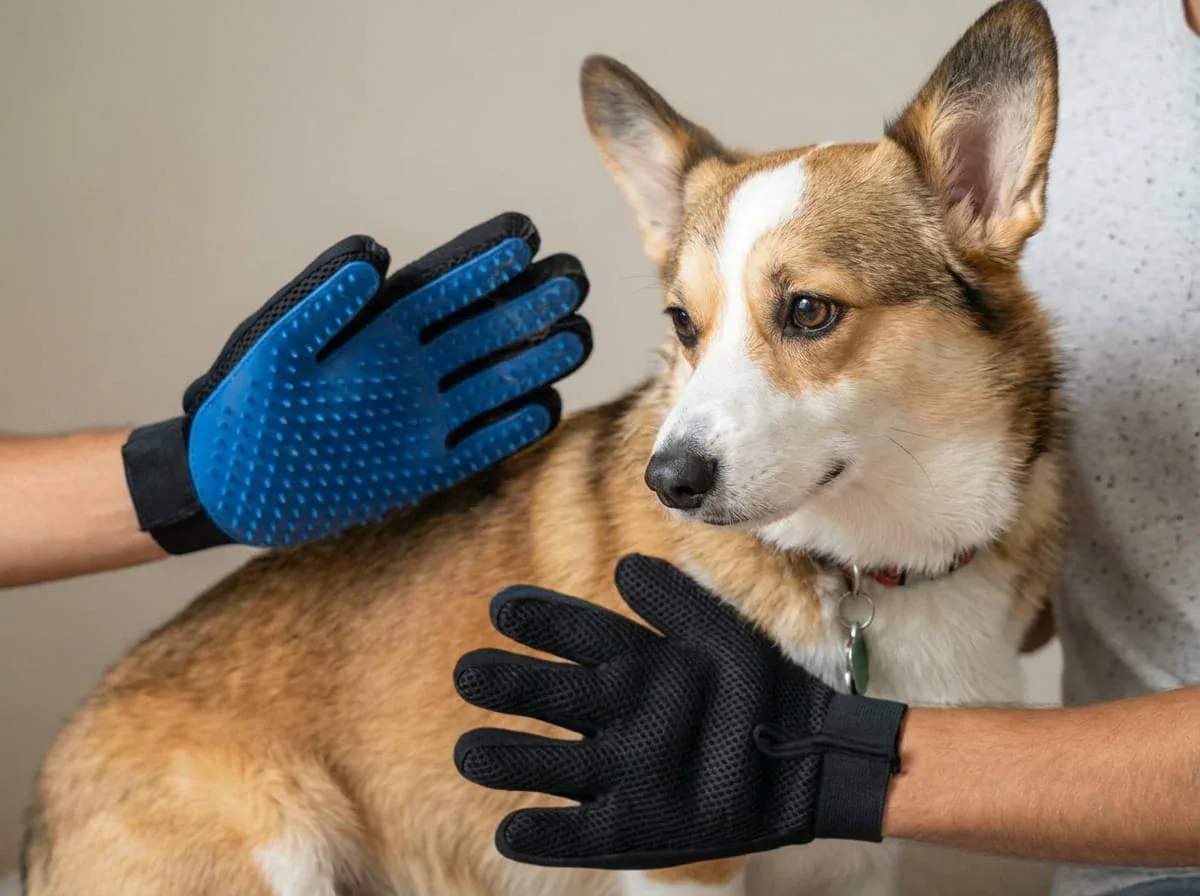
For a home owner, the safest first purchase is usually the tool that removes a repeated bottleneck without adding a sharp blade or a stressful noise level. A slicker brush, comb, rinse helper, grooming spray, towel, or simple dryer aid is often more useful than a complicated clipper attachment.

  • Match brushes and combs to coat length, mat risk, and how much the dog tolerates handling.
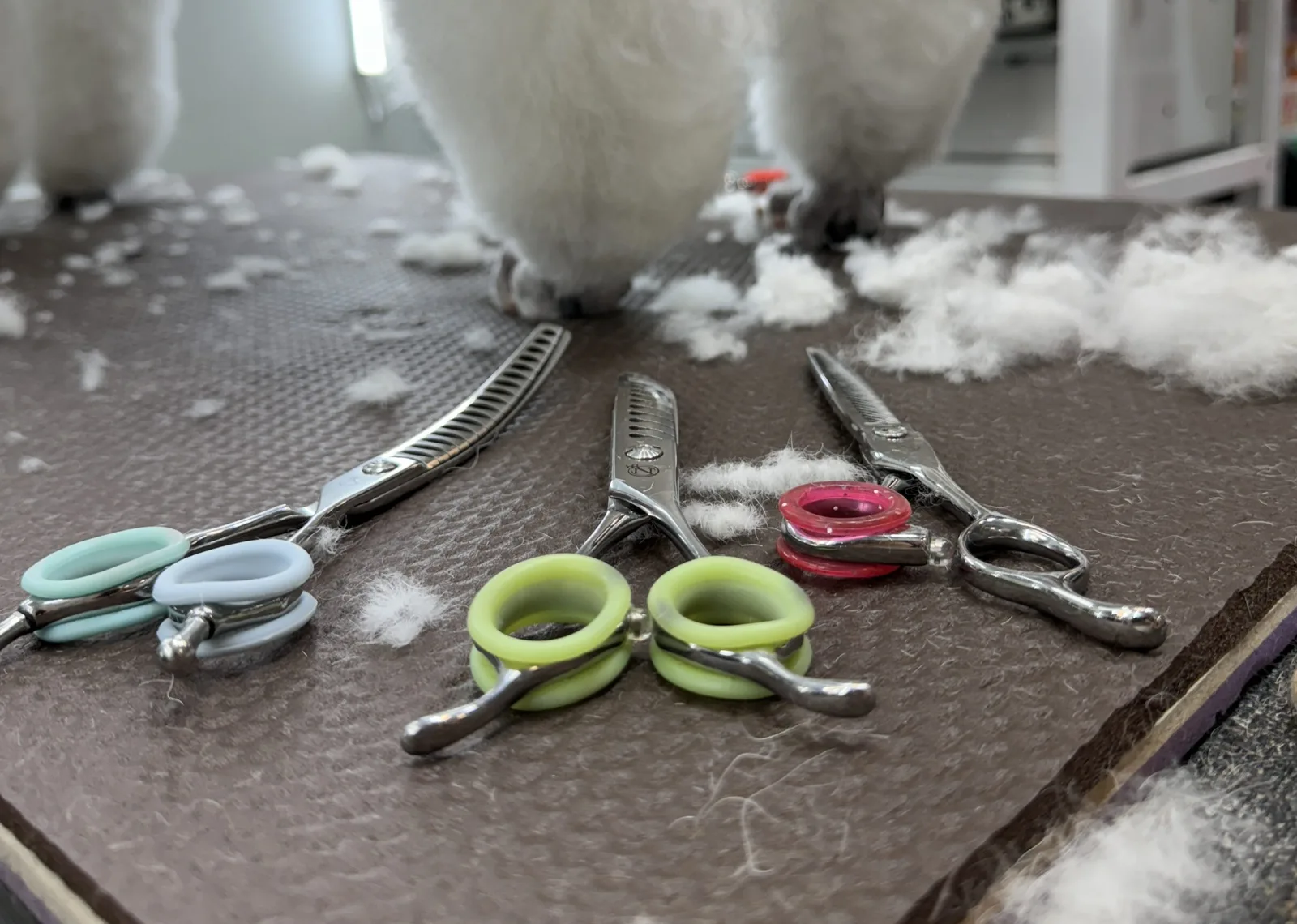
  • Avoid bargain blades or cutting tools if you are not confident using them around skin folds, ears, paws, or sanitary areas.
  • Check whether the tool saves time for the dog too, not only for the person grooming.
Budget Dog Grooming Tools Under $50: What Owners Should Check First

New grooming tools should be introduced in short sessions. Let the dog sniff the item, touch it to the shoulder or back first, and stop before the dog becomes stiff, frantic, or tries to hide.

Coat reaction matters as much as comfort. If a brush snags, a spray leaves residue, or a dryer makes the coat frizzy instead of dry, the tool is not helping even if it was inexpensive.

  • Start on an easy area such as the back or side before moving to legs, tail, face, belly, or paws.
  • Use treats and pauses so the dog does not connect the new tool with a long forced grooming session.
  • Stop if skin looks red, the coat starts breaking, or the dog reacts as if the tool hurts.
Budget Dog Grooming Tools Under $50: What Owners Should Check First
Sponsored

A new tool cannot fix a dirty coat, packed undercoat, tight matting, or skin irritation by itself. Bathing, rinsing, towel drying, line brushing, and checking the skin still matter more than the product name.

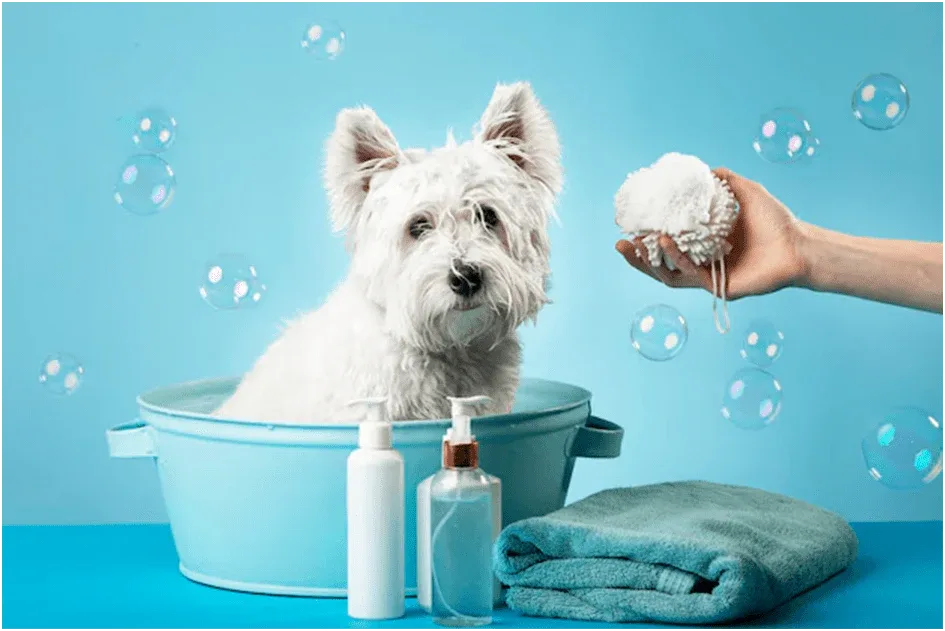
For many dogs, the best routine is simple: brush before the bath, wash with dog-safe shampoo, rinse until the coat feels clean, dry the coat fully, then comb through small sections to find tangles before they tighten.

  • Brush before bathing if the dog has tangles, because water can tighten mats.
  • Rinse longer than you think you need to; leftover shampoo can make itching worse.
  • Dry thick coats all the way to the skin so damp undercoat does not trap odor or irritation.
Budget Dog Grooming Tools Under $50: What Owners Should Check First

Some grooming problems should not be solved with a cheap tool at home. Tight mats near the skin, sores, heavy ear odor, painful nails, repeated scratching, or lumps that bleed need professional help instead of more brushing.

A groomer can choose the right blade length, drying method, and handling setup for a nervous or matted dog. A vet should check skin that looks infected, smells bad, oozes, or causes pain before any serious grooming work continues.

  • Use a groomer for severe matting, coat clipping, difficult nails, and dogs that panic during handling.
  • Call a vet for broken skin, swelling, discharge, strong odor, sudden hair loss, or signs of pain.
  • Do not cut mats with scissors close to the skin; it is one of the easiest ways to injure a dog at home.

FAQ

Frequently asked questions

Are cheap dog grooming tools worth buying?

Some are worth buying if they match a real need, such as easier brushing, better rinsing, or faster drying. Skip tools that require blade control, pull the coat, make the dog panic, or promise to fix matting without careful brushing. That keeps budget dog grooming tools under $50 tied to a real home-care routine instead of guesswork.

What should I check before using a new grooming tool on my dog?

Check coat type, skin condition, noise level, pressure, and how the dog reacts during a short test. Start on the back or side, reward calm behavior, and stop if the dog stiffens, yelps, scratches, or the skin turns red. For budget dog grooming tools under $50, the safer version is usually the one that leaves less cleanup and less stress afterward.

When should I stop home grooming and call a professional?

Call a groomer for tight mats, difficult nails, clipping work, or a dog that panics during handling. Call a vet first if there is broken skin, swelling, discharge, strong odor, sudden hair loss, or obvious pain. On budget dog grooming tools under $50, that timing works best when you act before buildup becomes obvious.

Sponsored