How to Bathe a Dog at Home Without Turning It Into a Slippery Mess

Groomingdales guide

How to Bathe a Dog at Home Without Turning It Into a Slippery Mess

Help owners bathe a dog at home with less chaos by setting up the station first, handling the coat in the right order, and knowing where bath sessions usually go wrong.

Published June 16, 2026

Home bath time usually falls apart before the shampoo even comes out. The dog is already slipping, the towels are still in another room, and someone realizes too late that tangled coat, cold water, and a stressed dog do not mix well.

A better bath starts with setup, not soap. When you brush first, decide where the dog will stand, keep every supply within reach, and rinse with patience instead of rushing, the whole job gets cleaner and far less dramatic.

How to PROFESSIONALLY wash (and dry) your dog at home!

dogs#dogbath #dog.

  • Channel: dogsbylogan

Video source: dogsbylogan

Quick read

Key takeaways

  • Build the grooming routine around the jobs that most often cause discomfort or buildup, not around a perfect all-at-once schedule.
  • Use tools that are gentle enough to repeat regularly and simple enough to keep within reach.
  • When a basic home routine stops working, treat that as a clue to inspect the skin, coat, or nails more closely instead of cleaning harder.

Set up the bath area before the dog ever gets wet

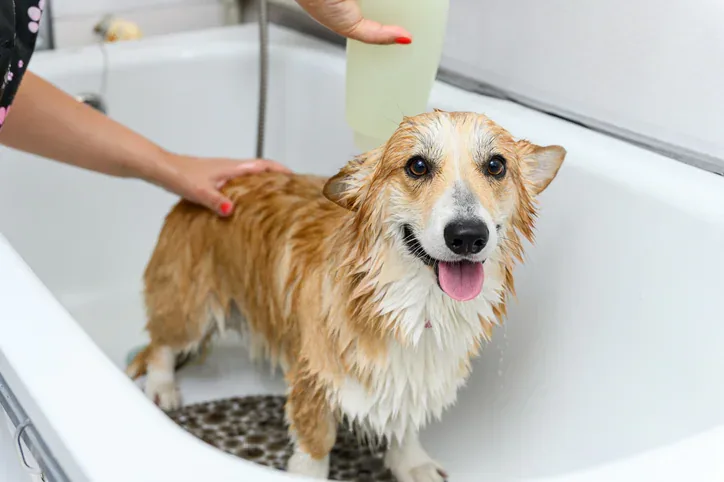
The easiest way to make bath time harder is to start gathering supplies after the dog is already wet. Towels, shampoo, a cup or sprayer, a non-slip surface, and a clear drying plan should all be in place first.

This matters because many dogs start objecting when the human becomes disorganized. The more pauses and chasing around the room, the more the dog learns that bath time feels unstable.

  • Choose a sink, tub, shower, or outdoor spot that matches the dog's size and your control level.
  • Use traction under the feet so the dog is not trying to balance on a slick floor.
  • Keep towels, shampoo, and rinse tools within arm's reach before the bath begins.
How to Bathe a Dog at Home Without Turning It Into a Slippery Mess

Handle the coat first so water does not lock problems in place

A coat with tangles, loose undercoat, or small mats almost always gets harder to manage once it is soaked. That is why brushing first is not optional for many dogs. It is the step that keeps the bath from turning into a wet detangling fight.

If the coat is already packed or matted, the best decision may be to pause the bath plan and fix the coat issue first instead of pretending water will loosen everything for you.

  • Brush through the coat before bathing, especially on longer coats and friction areas.
  • Remove or loosen mats before water tightens them down.
  • Do not expect shampoo to solve coat prep you skipped.
How to Bathe a Dog at Home Without Turning It Into a Slippery Mess
Sponsored

Keep the dog secure and the pace calm instead of wrestling through the middle

Many bath struggles start when the dog realizes there is a path to jump away. Light restraint, steady hand placement, and rewards placed at the right moment usually work better than trying to overpower a nervous dog once the session is already sliding off course.

The practical goal is to lower surprise. Slow movements, warm water, and a clear sequence help the dog predict what happens next, which often matters more than any single treat trick.

  • Use a safe way to keep the dog in place, especially outdoors or in a deep tub.
  • Offer small rewards and pauses before the dog escalates, not only after a meltdown.
  • Keep your own body language quiet, because frustration spreads fast during a bath.
How to Bathe a Dog at Home Without Turning It Into a Slippery Mess

Rinse longer than feels necessary and finish with a realistic drying plan

Owners often think the hard part is applying shampoo, but incomplete rinsing causes more trouble afterward. Residue can leave the coat heavy, itchy, or dull, and it can make owners blame the product when the real problem was leftover soap.

The bath also should not end at the last rinse. Towel work, airflow, and a plan for the face, ears, and coat thickness determine whether the dog dries cleanly or stays damp and messy for the next hour.

  • Dilute or use shampoo exactly as directed so you do not overload the coat.
  • Rinse until the coat stops feeling slick or foamy in hidden areas like the chest and belly.
  • Match drying to the coat: towel first, then air movement or a dryer if the dog tolerates it.

FAQ

Frequently asked questions

What should I do before I start bathing my dog at home?

Set the whole station up first, brush the coat, and make sure you have traction, towels, shampoo, and a rinse plan ready before the dog gets wet. For how to bathe a dog at home without turning it into a slippery mess, the safer version is usually the one that leaves less cleanup and less stress afterward.

Why does my dog seem harder to handle once the bath starts?

Dogs usually get harder to handle when the setup feels slippery, rushed, or unpredictable. Better footing, calm restraint, and fewer mid-bath interruptions often change the whole session. On how to bathe a dog at home without turning it into a slippery mess, start by checking the routine before assuming the problem came out of nowhere.

What is the most common mistake during a home dog bath?

A weak rinse is one of the biggest mistakes. If shampoo stays in the coat, the dog can end up itchy, tacky, or dull even when the bath looked finished. That keeps how to bathe a dog at home without turning it into a slippery mess tied to a real home-care routine instead of guesswork.

Sponsored