
How to Brush a Dog's Coat: Step-by-Step Tips for Different Coat Types

Groomingdales guide

How to Brush a Dog's Coat

A practical brushing guide that helps prevent tangles, loosen shed hair, and make coat care easier to stay on top of.

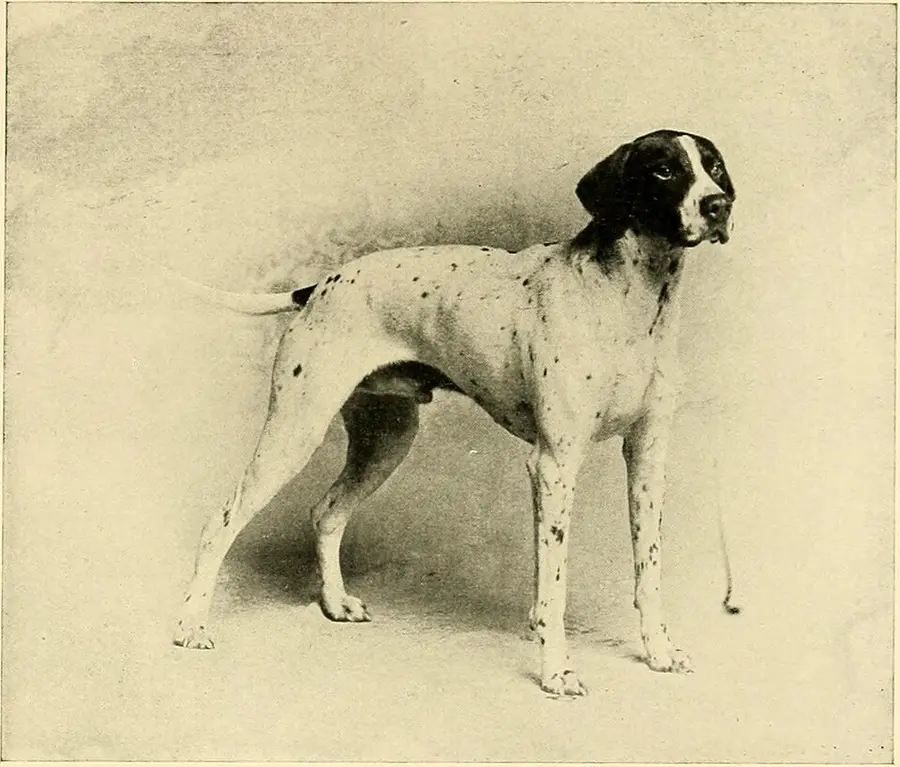
Dog being brushed with a grooming tool during coat care
Published April 14, 2026Updated May 11, 2026

Brushing is not just about appearance. It removes loose hair, spreads natural oils, helps you notice tangles early, and makes the coat easier to keep clean between baths.

The best brushing routine depends on coat type, but almost every dog does better when brushing is frequent, short, and calm instead of occasional and aggressive.

Quick read

Key takeaways

  • Build the brushing routine around the jobs that most often cause discomfort or buildup, not around a perfect all-at-once schedule.
  • Use tools that are gentle enough to repeat regularly and simple enough to keep within reach.
  • When a basic home routine stops working, treat that as a clue to inspect the skin, coat, or nails more closely instead of cleaning harder.

Why Brushing Helps Coat Health

Brushing removes loose hair, helps distribute natural oils, and prevents the coat from packing down into tangles. It also gives you a steady chance to notice skin changes, burrs, or sore spots early.

For many dogs, brushing is the maintenance habit that keeps every other part of grooming easier. A coat that is brushed consistently usually bathes, dries, and sheds better.

Choosing the Right Brush

The right brush depends on the coat in front of you. A tool that works well on a short coat may barely reach through a dense undercoat, while a harsh slicker can be unnecessary on a smooth-coated dog.

If you are unsure, choose the gentlest tool that still gets through the coat properly. Good brushing feels thorough without scraping the skin or teaching the dog to avoid the session.

Sponsored

How to Brush a Dog Step by Step

Work in small sections instead of swiping over the topcoat and calling it done. Start where the dog is most comfortable, use short sessions, and stop before the dog gets fed up.

The same principle applies to teeth or coat work: calm repetitions beat long, ambitious sessions. Build tolerance first, then add thoroughness as the dog settles into the routine.

  • Work in layers, not just over the topcoat
  • Use short sessions on sensitive dogs
  • Finish with problem areas like behind ears and under legs

Brushing by Coat Type

Coat type changes everything from tool choice to timing. Smooth coats may only need light maintenance, while curly, double, or feathered coats usually need more frequent attention to stay comfortable and tangle-free.

Lifestyle matters too. A dog that spends time outdoors, swims often, or rolls in dirt will need a different routine from a mostly indoor dog with a naturally easy coat.

What to Do if Your Dog Hates Brushing

When a dog dislikes grooming, the answer is usually to lower the intensity, not to force the whole job at once. Short sessions, predictable handling, and stopping while the dog is still coping build progress faster than restraint alone.

Pair the routine with calm rewards and keep your own movements steady. Dogs read hesitation and frustration quickly, so a quiet pace often changes the outcome more than a new tool does.

FAQ

Frequently asked questions

How often should you brush a dog?

Many dogs benefit from brushing at least weekly, while long, curly, or shedding coats often need more frequent sessions. On how to brush a dog's coat, that timing works best when you act before buildup becomes obvious.

What is the best brush for a shedding dog?

The best brush depends on coat type, but tools that reach the undercoat gently and remove loose hair without scraping the skin are usually the most useful. That keeps how to brush a dog's coat tied to a real home-care routine instead of guesswork.

Should you brush before or after a bath?

Usually before the bath. Brushing first removes loose coat and helps prevent water from tightening tangles. For how to brush a dog's coat, the safer version is usually the one that leaves less cleanup and less stress afterward.

Sponsored