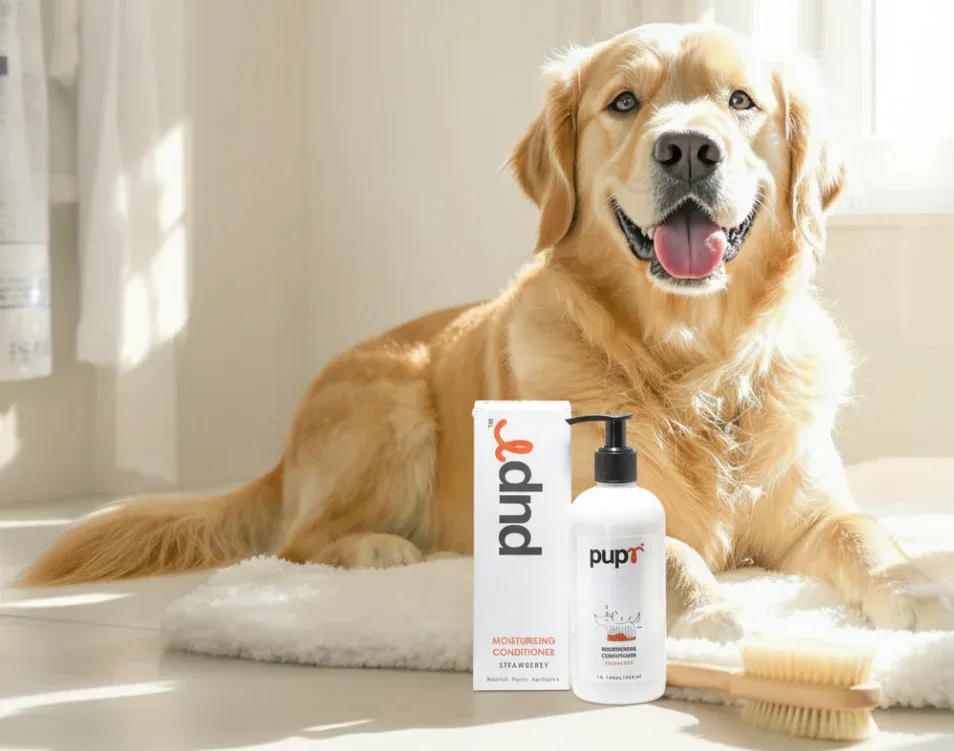
How to Choose a Dog Conditioner Based on Coat Type

Groomingdales guide

How to Choose a Dog Conditioner Based on Coat Type

Help dog owners decide whether conditioner belongs in their bath routine and, if it does, what kind of formula makes sense for their dog's coat.

Published June 2, 2026

Dog conditioner is not a must for every bath. On some coats it adds softness and slip that make brushing easier. On others it is mostly an extra bottle that does not solve the real problem.

The useful question is not whether conditioner sounds fancy. It is whether your dog has the kind of coat that tangles, dries out, sheds heavily, or needs extra help after shampooing.

This guide breaks the choice down by coat type, skin sensitivity, and daily routine so you can decide when conditioner helps, when a lighter formula is enough, and when a richer product is worth the rinse time.

DIY Dog Conditioner: 3 Safe Recipes

Conditioner for dogsisn't just good for theircoat.Conditionermoisturizes and nourishes the skin as well. DIYdog conditioner ...

  • Channel: Top Dog Tips

Video source: Top Dog Tips

Quick read

Key takeaways

  • Build the grooming routine around the jobs that most often cause discomfort or buildup, not around a perfect all-at-once schedule.
  • Use tools that are gentle enough to repeat regularly and simple enough to keep within reach.
  • When a basic home routine stops working, treat that as a clue to inspect the skin, coat, or nails more closely instead of cleaning harder.

Start with the coat in front of you, not the product label

Conditioner choices make more sense when you begin with the dog's actual coat pattern. Long feathering, dense undercoat, chronic tangles, or a rough dry feel all point toward a different routine than a short smooth coat that rarely mats.

If your dog dries quickly, rarely knots, and already brushes out easily, conditioner may be optional. If the coat catches at the comb or feels rough after bathing, it usually earns a place in the routine.

This keeps you from buying the heaviest bottle on the shelf when what your dog really needs is a lighter formula or a better brushing habit.
How to Choose a Dog Conditioner Based on Coat Type

Long coats and double coats usually need more slip and moisture

Long coats and double coats often benefit most from conditioner because friction shows up faster in those coat types. Mats start where the coat rubs, and dry ends can make brushing harder after every bath.

A richer conditioner can help the comb move more cleanly through the coat, but the product still has to rinse well. Heavy residue left behind can make the coat feel dull or attract dirt faster between grooms.

If your dog blows coat seasonally, remember that a deshedding formula only loosens hair. You still need brushing and drying afterward to get the coat moving out of the underlayer.

How to Choose a Dog Conditioner Based on Coat Type
Sponsored

Sensitive skin changes the ingredient rules

Dogs with itchy or reactive skin need simpler ingredient choices. Clear labels matter because you want to know exactly what is touching the skin when a dog already reacts easily.

Conditioners marketed around soothing ingredients can help, but the bigger rule is avoiding vague formulas that do not tell you what is inside. A mild product with a transparent label is usually a safer starting point than a heavily perfumed mystery blend.

When in doubt, patch-test on a small area and keep the first use conservative. If the coat looks fine but the skin acts up later, the product is not a good fit no matter how soft the hair feels.

How to Choose a Dog Conditioner Based on Coat Type

Use conditioner to support brushing, not to replace grooming work

A good conditioner makes the coat easier to handle, but it does not fix mats by itself. If the dog already has tight tangles, you still need careful brushing, combing, or help from a groomer.

The right way to judge a conditioner is what happens after the rinse. Does the coat comb out more easily? Does the dog stay softer for a few days? Does the skin stay calm? Those are better signals than how thick or luxurious the product feels in your hand.

Owners get the most from conditioner when they pair it with regular brushing, complete rinsing, and coat-specific drying instead of expecting one product to solve every coat problem.

Keep the routine practical for home baths

Home grooming works better when the routine stays realistic. If a conditioner adds ten frustrating minutes and leaves the dog half-rinsed, it is not helping even if the label sounds perfect.

Choose a formula you can apply and rinse thoroughly with the setup you actually have at home. For many owners, that means one dependable conditioner that matches the dog's coat instead of several specialty bottles that never get used correctly.

When the coat changes with season, age, or health, revisit the routine. Conditioner should follow the coat's current needs, not a fixed rule you started years ago.

FAQ

Frequently asked questions

Do all dogs need conditioner after shampoo?

No. Many short easy-care coats do fine without it. Conditioner helps most when the coat is long, dense, dry, tangle-prone, or hard to brush after bathing. For how to choose a dog conditioner based on coat type, the safer version is usually the one that leaves less cleanup and less stress afterward.

What kind of dog coat benefits most from conditioner?

Long coats, double coats, and coats that mat or dry out easily usually benefit the most because the extra slip and moisture support make brushing easier. That keeps how to choose a dog conditioner based on coat type tied to a real home-care routine instead of guesswork.

Can conditioner replace brushing on a shedding dog?

No. It can help loosen coat and make brushing easier, but you still need follow-up brushing and drying, especially after a deshedding bath. For how to choose a dog conditioner based on coat type, the safer version is usually the one that leaves less cleanup and less stress afterward.

What should I avoid in a dog conditioner for sensitive skin?

Be cautious with products that hide the ingredient list or rely on heavy fragrance. Clear labels and simpler formulas are a safer starting point for dogs with reactive skin. For how to choose a dog conditioner based on coat type, the safer version is usually the one that leaves less cleanup and less stress afterward.

Sponsored