How to Choose a Dog Shower Attachment for Home Baths

Groomingdales guide

How to Choose a Dog Shower Attachment for Home Baths

Help owners pick a dog shower attachment that actually rinses the coat clean, matches their bathing setup, and makes home baths easier for both short coats and dense double coats.

Published May 20, 2026

A dog shower attachment is worth buying when bath time keeps failing at the rinse stage. If shampoo stays trapped in the coat, the dog can end up itchy, the fur can feel heavy or tacky, and owners often mistake the problem for bad shampoo instead of incomplete rinsing.

The better way to shop is to ignore gadget hype and focus on what the attachment actually needs to do in your bathroom, sink, or yard. It should reach the hard spots, move enough water for your dog's coat type, and stay easy to control when the dog shifts, shakes, or decides bath time is over.

Home Dog Bathing Setup with a Vevor Dog Wash Station

We Installed aDog WashStation in Our Mudroom! Tired of messybathtimes and muddy paw prints all over yourhouse? See how ...

  • Channel: Rescue Dogs 101

Video source: Rescue Dogs 101

Quick read

Key takeaways

  • Build the grooming routine around the jobs that most often cause discomfort or buildup, not around a perfect all-at-once schedule.
  • Use tools that are gentle enough to repeat regularly and simple enough to keep within reach.
  • When a basic home routine stops working, treat that as a clue to inspect the skin, coat, or nails more closely instead of cleaning harder.

Start with rinse quality, because leftover shampoo causes more trouble than owners expect

Many bath-day problems show up after the dog is dry, not while the water is running. If product stays in the coat, the skin may feel irritated, the dog may scratch more, and tangles can tighten because the coat never rinsed out cleanly.

is why the first test for a shower attachment is not whether it looks convenient. It is whether the spray can push water through the hair well enough to clear shampoo from the coat, especially under the neck, chest, belly, and feathering.

If the attachment only wets the surface, you are still doing a partial rinse with a fancier tool.
How to Choose a Dog Shower Attachment for Home Baths

Match the spray strength to the coat instead of buying one tool for every dog

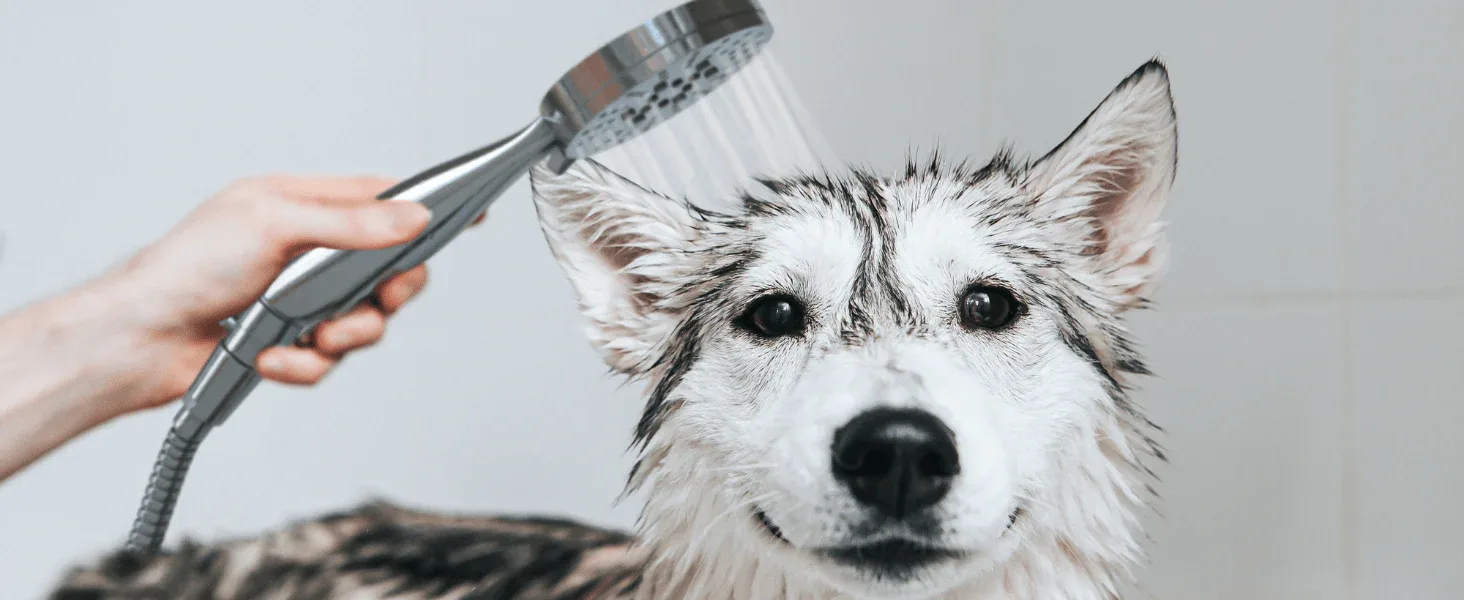
Short coats and fine coats can do well with a gentler spray that is easy to control. Thick double coats, heavy shedding coats, and dense fluffy coats usually need more push so the water reaches the undercoat instead of bouncing off the outside.

This does not mean blasting every dog at maximum force. It means picking an attachment with enough range to work on your dog's real coat type, especially if bath day also includes deshedding or heavy rinse-out after a dirty week.

When the coat is dense, weak pressure often turns a ten-minute rinse into a long frustrating session that still leaves soap behind.

How to Choose a Dog Shower Attachment for Home Baths
Sponsored

Choose a shape and hose length you can actually control around the dog

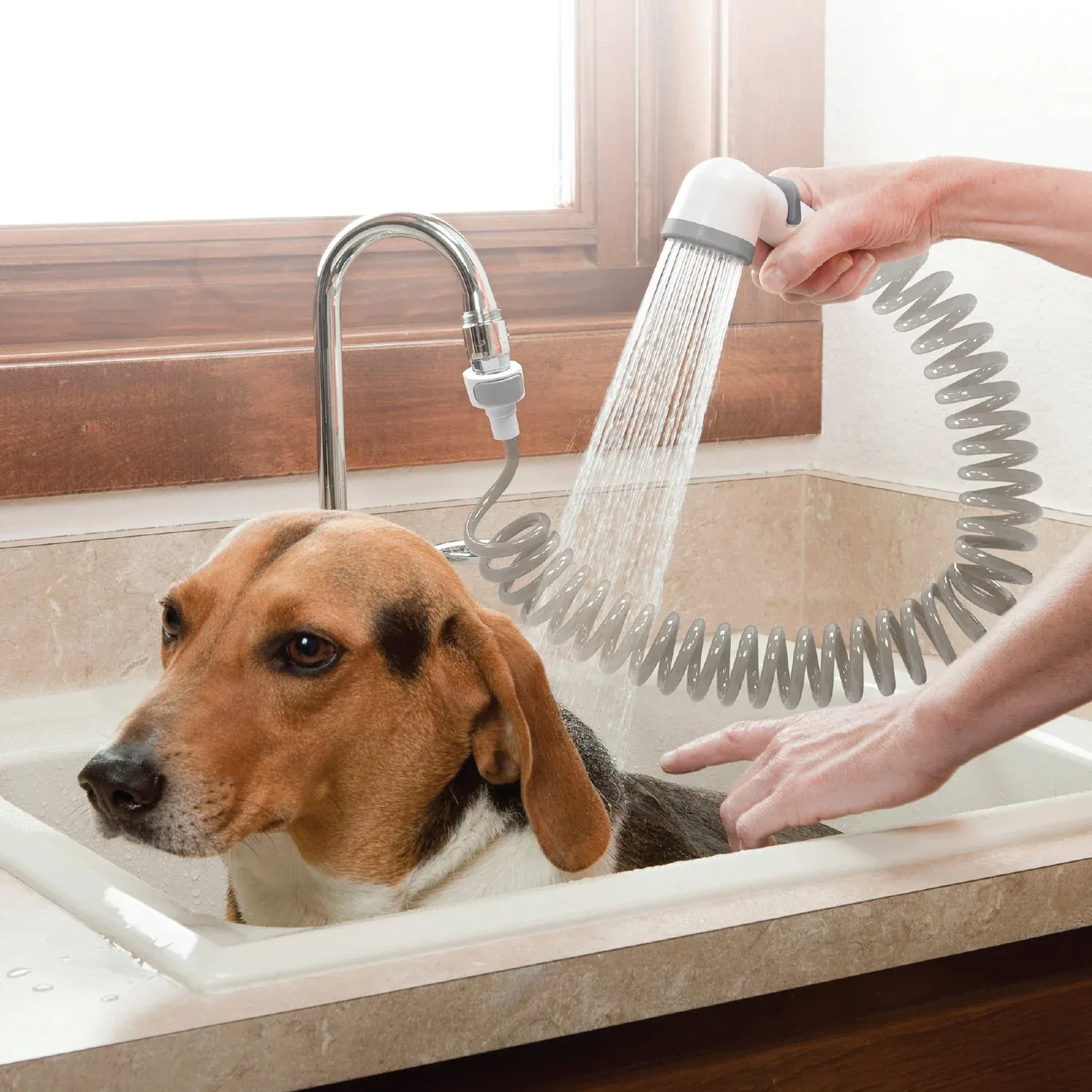
A useful dog shower attachment should help you reach the legs, belly, rear, and lower chest without twisting the hose into knots or pinning the dog into one corner of the tub. Control matters as much as pressure because bath time gets sloppy fast when you need a second hand just to keep the sprayer pointed correctly.

Longer hoses, ergonomic handles, and wand-style heads often make rinsing smoother because they let you move around the dog instead of dragging the dog around the plumbing.

If your current setup leaves you fighting reach and angle, that problem will not disappear just because a new attachment says "pet" on the box.

How to Choose a Dog Shower Attachment for Home Baths

Let your bath location decide how portable and easy-install the setup should be

Some owners always bathe the dog in one shower stall. Others switch between a tub, utility sink, and outdoor spigot depending on weather, mud, or dog size. The right attachment should fit the place where baths really happen most often.

A slip-on or portable option can be more useful than a permanent shower install if you rinse dogs in different locations. On the other hand, a more fixed setup may feel better for frequent indoor baths when you want stable hose routing and less setup time each week.

The practical goal is simple: fewer barriers between you and a complete rinse.

Get the dog used to the sprayer before you expect a calm full rinse

Even a good tool can fail if the dog panics when the spray starts. New attachments change the sound, pressure, and direction of the water, so some dogs need a short adjustment period before bath day feels normal again.

Start with low pressure, let the dog feel the water on a less sensitive area first, and keep the early sessions brief. That approach is usually more effective than buying a stronger attachment and hoping the dog will simply tolerate it.

A calmer dog makes every attachment work better because you can rinse thoroughly instead of quitting once the bathroom turns chaotic.

FAQ

Frequently asked questions

What makes a good dog shower attachment?

A good one rinses shampoo out completely, reaches the hard spots on the body, and matches your dog's coat density well enough that water gets through the fur instead of staying on top. That keeps how to choose a dog shower attachment for home baths tied to a real home-care routine instead of guesswork.

Do thick-coated dogs need a stronger shower attachment?

Usually yes. Dense or double coats often need more pressure or a wand-style spray that can work down into the undercoat without dragging rinse time out forever. For how to choose a dog shower attachment for home baths, the safer version is usually the one that leaves less cleanup and less stress afterward.

Is hose length important for dog baths?

Yes. A short hose makes it harder to reach the belly, legs, and rear cleanly, which often leads to rushed rinsing and missed shampoo. That keeps how to choose a dog shower attachment for home baths tied to a real home-care routine instead of guesswork.

Can a shower attachment help if my dog gets itchy after baths?

It can help when the itching is caused by leftover shampoo. A better rinse setup makes it easier to clear product from the coat, though persistent itching can still need a different shampoo or a vet check. For how to choose a dog shower attachment for home baths, the safer version is usually the one that leaves less cleanup and less stress afterward.

Sponsored