How to Choose the Right Dog Brushes for Safer At-Home Dog Grooming

Groomingdales guide

How to Choose the Right Dog Brushes for Safer At-Home Dog Grooming

Explore How to Choose the Right Dog Brushes for Safer At-Home Dog Grooming through the specific situations and details in the selected article.

Published July 28, 2026

Choosing the right dog brushes is an essential part of keeping your pet’s coat healthy, comfortable, and free from tangles or mats. The correct brush not only makes grooming easier but also supports skin health and strengthens the bond between you and your dog—especially important if you’re working with long-haired, double-coated, or curly breeds that are prone to shedding and matting.

With so many options available on the market, it can be overwhelming to know where to start. From slicker brushes to bristle combs and rubber mitts, each tool has a specific purpose. Understanding how these brushes work and which ones suit your dog’s coat type will help you create a safer, more effective at-home grooming routine.

The Best Way to De-Shed Your Dog's Hair

Do not use dog shedding tools DO THIS INSTEAD! You will never look at dog de-shedding tools the same way after learning the ...

  • Channel: Go Groomer

Video source: Go Groomer

Quick read

Key takeaways

  • Build the grooming routine around the jobs that most often cause discomfort or buildup, not around a perfect all-at-once schedule.
  • Use tools that are gentle enough to repeat regularly and simple enough to keep within reach.
  • When a basic home routine stops working, treat that as a clue to inspect the skin, coat, or nails more closely instead of cleaning harder.

Selecting the appropriate dog brush starts with knowing your dog’s coat length, texture, and shedding patterns. Different brushes serve different functions, and using the wrong one can lead to discomfort, ineffective grooming, or even skin irritation. Whether you have a short-haired Beagle or a long-haired Shih Tzu, matching the brush to your dog’s needs ensures a smoother experience for both of you.

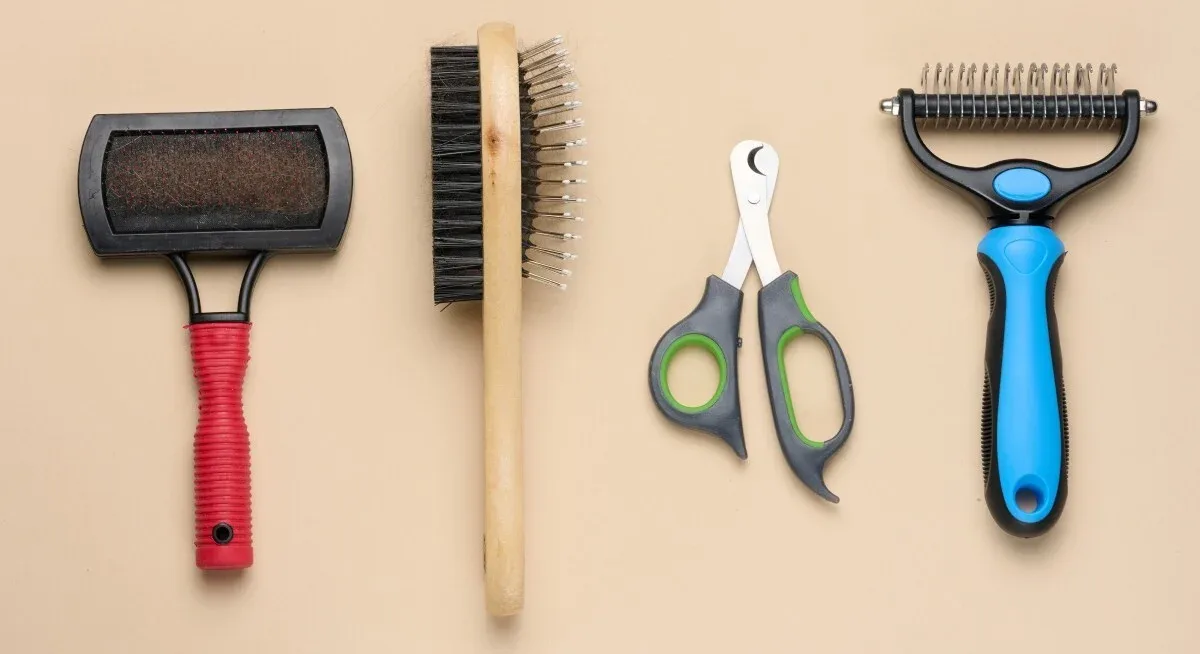
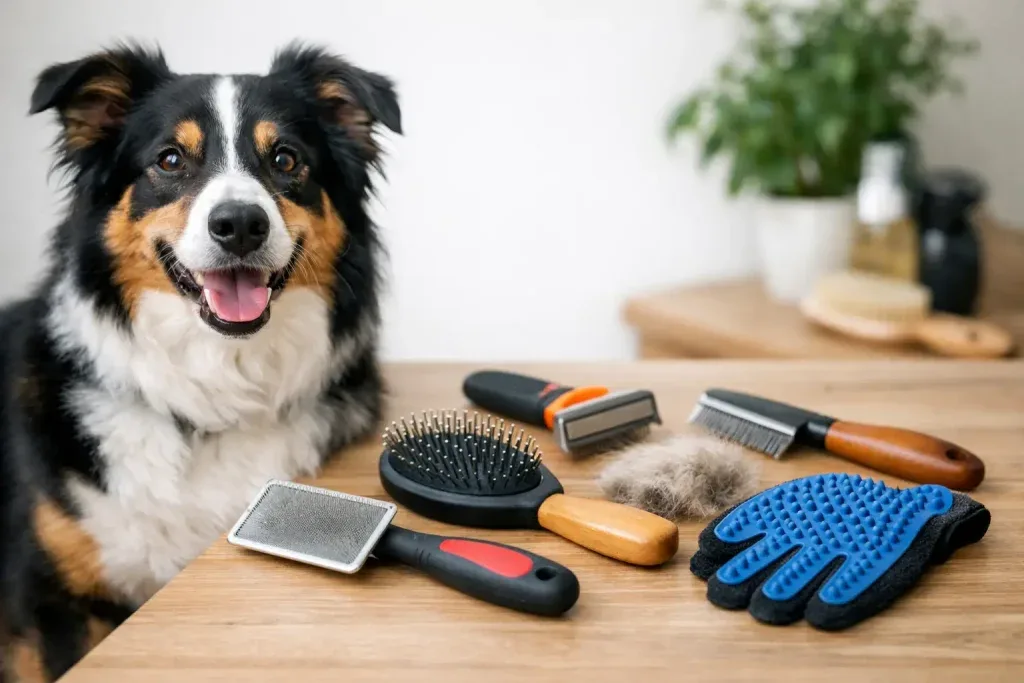
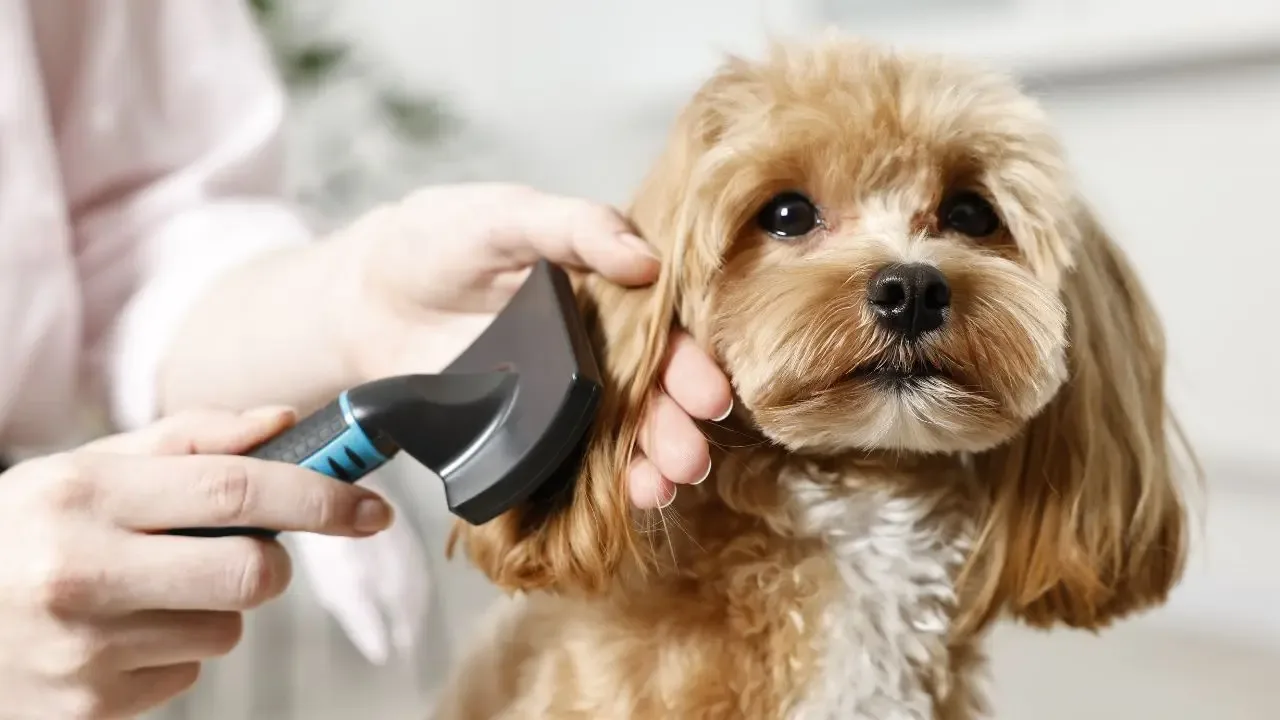
Slicker brushes feature tightly packed wire pins angled slightly away from the surface. Designed to glide through dense coats without touching the skin, they’re ideal for medium- to long-haired, curly, or wire-coated dogs. These brushes help remove loose hair and break up small mats before they become tangled. Always use gentle pressure—pressing too hard can irritate sensitive skin or cause discomfort during grooming sessions.
How to Choose the Right Dog Brushes for Safer At-Home Dog Grooming

Bristle brushes come in natural or synthetic varieties and are perfect for short- to medium-coated dogs. Their firm yet flexible bristles gently sweep away dirt, dander, and loose hair while stimulating the skin’s natural oils. For double-coated breeds like Huskies or Golden Retrievers, a bristle brush works best as a finishing tool after detangling with a slicker brush—it adds shine and smoothness to the outer coat.

Undercoat rakes are designed specifically for heavy shedders. With rows of fine metal pins spaced apart, they reach beneath the topcoat to extract loose underfur and prevent matting. Choose a rake with pin lengths matched to your dog’s coat thickness: shorter pins for fine coats, longer ones for dense undercoats. Use this tool sparingly—once or twice per week—to avoid over-stimulating the skin.

Rubber brushes or grooming mitts offer a unique alternative, especially for dogs who dislike traditional brushing. Made with soft, flexible silicone nubs, they massage the skin while lifting dead hair and debris. These tools work well on short-haired breeds and can be used dry or damp. A hand-worn version allows for greater control and is great for quick touch-ups or introducing new groomers to their pets.

How to Choose the Right Dog Brushes for Safer At-Home Dog Grooming
Sponsored

When evaluating a brush beyond its basic function, consider three practical factors that improve usability and comfort. First, size matters—a tiny brush won’t cover a large dog’s back efficiently, while a bulky one may be awkward for small breeds. Match the head size to your dog’s body proportions for better reach and control.

Second, look for ergonomic handles. A curved or padded grip reduces wrist strain during extended grooming sessions, making it easier to maintain consistent pressure and angle. This is especially helpful when grooming multiple dogs or tackling thick, matted areas.

Finally, self-cleaning mechanisms save time and effort. Slicker brushes with push-button retraction allow you to clear trapped hair instantly without manually pulling out strands by hand. This feature maintains hygiene and keeps the brush performing optimally between uses.

How to Choose the Right Dog Brushes for Safer At-Home Dog Grooming

FAQ

Frequently asked questions

How do I know which brush to start with for my dog?

Begin by assessing your dog’s coat type—short, medium, long, curly, or double-layered. Start with a brush designed for that category (e. g. , bristle for short, slicker for long), then introduce others like undercoat rakes or rubber mitts as needed based on seasonal shedding or matting issues. That matters on How to Choose the Right Dog Brushes for Safer At-Home Dog Grooming pages because the wrong tool turns an easy job into extra pulling.

Can I use one brush for all types of grooming tasks?

While some multi-purpose brushes exist, dedicated tools perform better. A single brush can’t effectively detangle thick mats, stimulate skin, and polish a shiny coat simultaneously. Using specialized brushes leads to healthier outcomes and less stress for your dog. For How to Choose the Right Dog Brushes for Safer At-Home Dog Grooming, the safer version is usually the one that leaves less cleanup and less stress afterward.

How often should I clean my dog’s brushes?

Clean every few uses—or whenever you notice buildup of hair, dirt, or oils. Remove trapped fur from bristles or pins, rinse with mild soap and water if applicable, and let air dry completely before storing. Regular cleaning prevents bacteria growth and maintains brush performance. On How to Choose the Right Dog Brushes for Safer At-Home Dog Grooming, that timing works best when you act before buildup becomes obvious.

Sponsored