How to Clean Dog Ears Safely at Home

Groomingdales guide

How to Clean Dog Ears Safely at Home

Help visitors handle How to Clean a Dog's Ears with a clear, practical checklist grounded in real examples.

Published July 9, 2026

Keeping your dog’s ears clean is a vital part of their overall health, but the process often feels daunting. Many dogs aren’t used to having their ears handled, and without the right approach, cleaning can quickly become a stressful experience for both of you.

This guide breaks down exactly how to check your dog’s ears, choose safe supplies, perform a gentle clean, and recognize when it’s time to consult a veterinarian. With a few simple adjustments and a consistent routine, maintaining healthy ears can become a calm, even rewarding, part of your grooming schedule.

How to properly clean your dogs ears šŸ‘‚šŸ¾ #dogs #dog #vetlife #vetmed #animals #dogmom #veterinarian

A practical YouTube walkthrough related to How to Clean Dog Ears Safely at Home.

  • Channel: Passionate Paws Animal Hospital

Video source: Passionate Paws Animal Hospital

Quick read

Key takeaways

  • Build the grooming routine around the jobs that most often cause discomfort or buildup, not around a perfect all-at-once schedule.
  • Use tools that are gentle enough to repeat regularly and simple enough to keep within reach.
  • When a basic home routine stops working, treat that as a clue to inspect the skin, coat, or nails more closely instead of cleaning harder.

Not every dog requires frequent ear cleaning. Some breeds and individual dogs naturally produce minimal wax and stay remarkably clean, while others—particularly those with floppy, long ears like Cocker Spaniels or Basset Hounds—are prone to moisture buildup and debris. The key is observing your dog rather than following a rigid calendar.

Dogs that swim regularly or spend a lot of time outdoors need more attentive care. Moisture trapped in the ear canal creates a perfect environment for bacteria and yeast. Using a veterinary-approved drying agent after water exposure, along with keeping bath water out of the ears during washes, goes a long way in preventing infections.

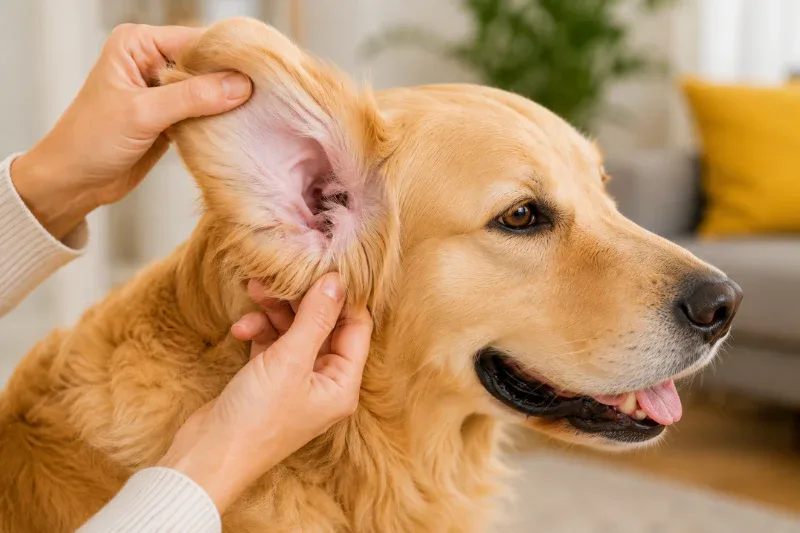
Regular checks are essential. Gently handling your dog’s ears daily helps you notice changes early. Healthy ears should be pink, odorless, and free of dark waxy buildup. If your dog pulls away, whines, or shakes their head excessively, it may signal soreness or an underlying issue that needs attention before any cleaning attempt.

  • Note the breed and ear type: floppy or hairy ears retain more moisture and require consistent monitoring.
  • Establish a baseline: know what normal looks and smells like so deviations stand out immediately.
  • Schedule checks around routine activities: post-swim, after baths, or during regular grooming sessions.
How to Clean Dog Ears Safely at Home

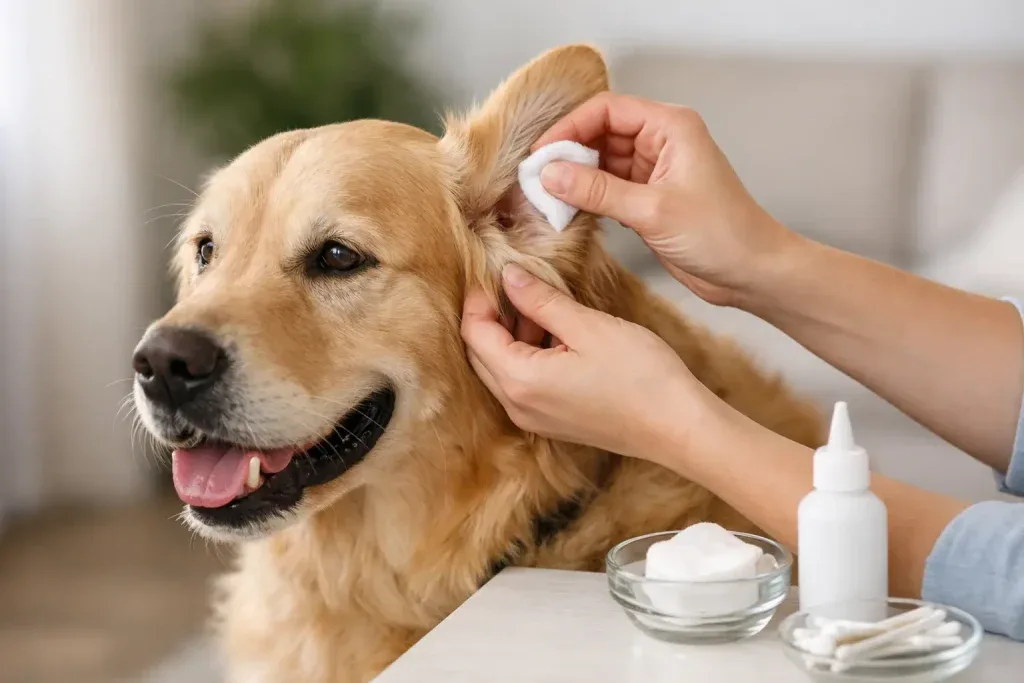
Before reaching for any solution, it’s crucial to pick products formulated specifically for canine ears. Human ear cleaners, rubbing alcohol, and hydrogen peroxide can strip away protective oils and irritate delicate skin tissue, potentially leading to inflammation or long-term damage.

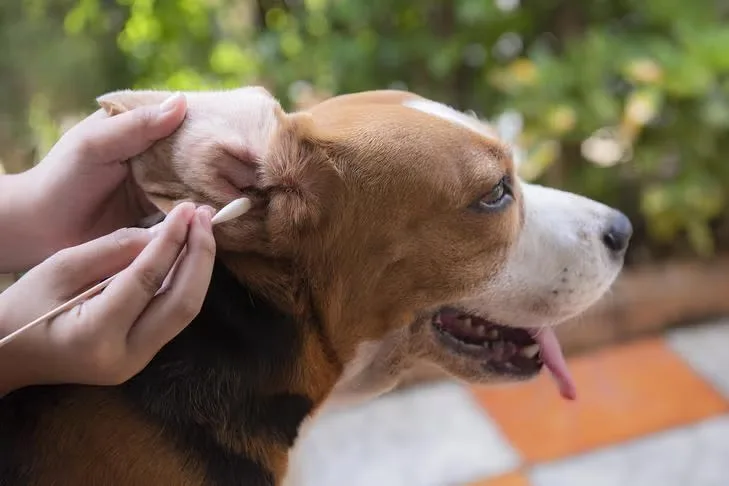
Equally important is avoiding cotton-tipped swabs or anything with a pointed tip. These tools easily push wax and debris deeper into the ear canal, risk puncturing the eardrum, and can cause painful trauma to the sensitive inner structures. Stick to soft cotton balls, gauze pads, or dedicated ear wipes designed for gentle surface cleaning.

When in doubt, consult your veterinarian. Most clinics carry or recommend high-quality, pH-balanced ear cleansers tailored to different coat types and skin sensitivities. A vet can also recommend soothing formulas if your dog has a history of irritation or mild allergies.

  • Use only veterinary-formulated ear cleaners that match your dog’s skin sensitivity level.
  • Reserve cotton swabs strictly for external folds; never insert them into the ear canal.
  • Keep cleaning sessions predictable: gather all supplies beforehand to minimize stress and avoid mid-process scrambling.
How to Clean Dog Ears Safely at Home
Sponsored

Start by creating a calm environment. Choose a quiet room with easy cleanup, like a bathroom, and have treats ready to reward cooperation. Trying to clean your dog’s ears while they’re excited or anxious will only make the process harder and reinforce negative associations.

Apply the recommended amount of ear cleaner directly into the ear canal. Contrary to popular belief, a few drops aren’t enough to flush out debris effectively. Pour the solution until it visibly pools at the opening, then gently massage the base of the ear for 20 to 30 seconds. You’ll hear a squishing sound—that’s the product working to break up wax and loosen dirt.

Allow your dog to shake their head naturally. This reflex helps bring dissolved debris and excess solution back to the outer ear. Finally, use a soft cloth or cotton pad to wipe away everything you can see from the inner flap and canal opening. Never dig or probe; let the cleaning solution do the heavy lifting.

  • Reward calm behavior throughout the process to build positive associations over time.
  • Massage the ear base thoroughly to ensure the solution reaches deep debris.
  • Wipe only what surfaces naturally; resist the urge to manually extract hidden wax.
How to Clean Dog Ears Safely at Home

There are clear boundaries to home care. If you notice redness, swelling, a foul or yeasty odor, dark discharge resembling coffee grounds, or excessive scratching, stop cleaning immediately and schedule a veterinary visit. Attempting to treat a suspected infection at home can worsen inflammation, trap bacteria deeper, or mask symptoms that delay proper diagnosis.

Over-cleaning is just as problematic as neglect. Stripping the ear canal too frequently disrupts its natural microbiome and protective wax layer, leaving it vulnerable to irritation and fungal growth. Clean only when visual or olfactory signs indicate it’s necessary.

Trust your instincts as a pet parent. Regular examinations catch minor issues like ear mites or early inflammation before they escalate. If your dog consistently resists handling, experiences pain, or shows recurring symptoms despite consistent home care, professional guidance is the safest next step.

  • Discontinue home cleaning if you detect swelling, unusual odor, or bloody discharge.
  • Limit full cleansings to when actual debris or moisture buildup is visible.
  • Schedule a vet appointment for persistent head shaking, tilting, or behavioral changes near the ears.

FAQ

Frequently asked questions

How often should I clean my dog's ears?

Frequency depends on your dog’s breed, lifestyle, and ear anatomy. Most dogs benefit from a quick check weekly and a full clean only when you notice wax, moisture, or odor. Active swimmers or dogs with floppy ears may need cleaning every one to two weeks, while others may only require monthly maintenance. On how to clean dog ears safely at home, that timing works best when you act before buildup becomes obvious.

Can I use human ear drops or household remedies like vinegar?

It’s not recommended. Human ear products and undiluted vinegar can alter your dog’s ear pH, cause stinging, or damage sensitive tissue. Always opt for veterinary-formulated cleansers, and consult your vet before trying any home remedies. For how to clean dog ears safely at home, the safer version is usually the one that leaves less cleanup and less stress afterward.

What should I do if my dog pulls away or seems stressed during ear cleaning?

Work gradually. Start by simply touching and massaging the outside of the ears while offering treats, then progress to applying cleaner without wiping, and finally move to the full routine. If your dog remains highly resistant, ask your veterinarian or a professional groomer for hands-on demonstrations tailored to your dog’s temperament. For how to clean dog ears safely at home, the safer version is usually the one that leaves less cleanup and less stress afterward.

Sponsored