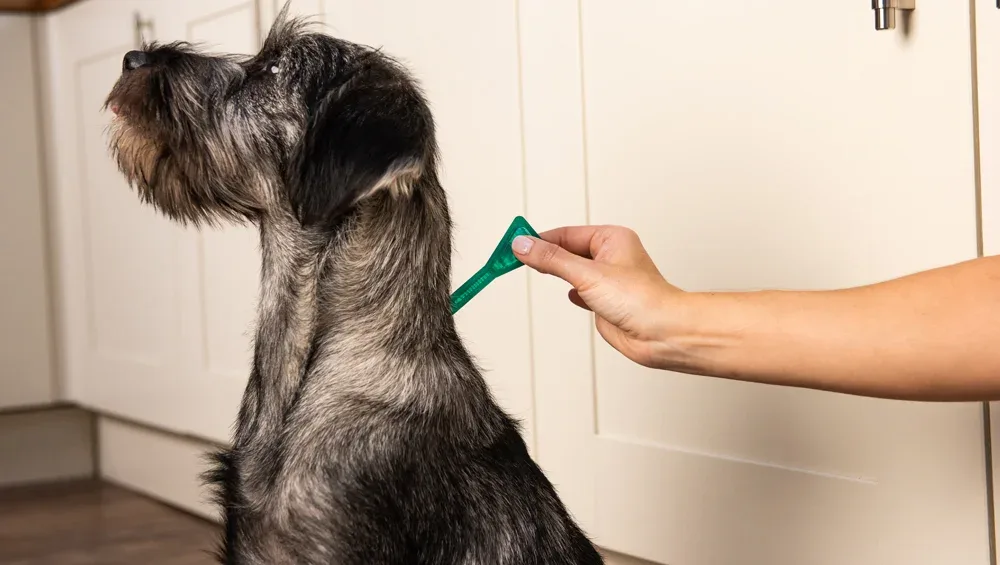
How to Clean Dog Fur Stains and Spot When They Need Veterinary Care

Groomingdales guide

How to Clean Dog Fur Stains and Spot When They Need Veterinary Care

Help owners clean pink, red, or brown fur staining around the eyes, mouth, paws, and rear without irritating the skin, while recognizing when the pattern points to a medical problem.

Published August 4, 2026

Dogs with pale coats sometimes develop reddish or rust-colored patches where moisture from tears, drool, or urine lingers against the hair. While these discolorations are often purely aesthetic, understanding where they appear and how your pet behaves around them is far more important than the exact hue.

Using a damp cloth, dog-safe cleansing wipes, or a gentle facial shampoo, you can remove surface buildup from affected areas—always followed by thorough drying. When the spots reappear alongside signs like persistent scratching, visible swelling, foul smell, abnormal discharge, clear discomfort, excessive drooling, or obsessive paw chewing, scheduling a vet visit is the right move instead of endlessly scrubbing.

How to Remove Tear Stains in Dogs? | Tear Stains in Dogs đŸ

Ever noticed those reddish-brown marks under your dog's eyes? Nope, that's not leftover gravy — those are tear stains ...

  • Channel: DearPet – Pet Grooming, Veterinary, Dog Fresh Food

Video source: DearPet – Pet Grooming, Veterinary, Dog Fresh Food

Quick read

Key takeaways

  • Build the grooming routine around the jobs that most often cause discomfort or buildup, not around a perfect all-at-once schedule.
  • Use tools that are gentle enough to repeat regularly and simple enough to keep within reach.
  • When a basic home routine stops working, treat that as a clue to inspect the skin, coat, or nails more closely instead of cleaning harder.

Before applying any product, document exactly where the discoloration shows up—beneath a single eye, around both eyes, along the jawline, on one foot, on multiple feet, or near the tail area. The pigments responsible are porphyrins, naturally occurring iron compounds found in tears and saliva that tint light hair in shades ranging from coral to deep amber.

Where the stain sits often reveals what is causing it. Brachycephalic breeds and tiny dogs tend to accumulate tear marks more easily, chronic drooling leaves the lower face tinted, and dogs who lick their paws transfer saliva directly onto their toes.

Separate the fur with your fingers and examine the skin underneath before attempting any cleaning. Smooth, dry skin simply needs routine grooming, but if you notice warmth, puffiness, open areas, fluid, or signs of discomfort, this has moved beyond appearance management and into medical territory.

  • Determine if the marking appears on one side only or symmetrically on both.
  • Lift the coat to check the skin for irritation, sores, moisture, or swelling.
  • Watch for behaviors like persistent licking, head rubbing, squinting, drooling, favoring a leg, or nail chewing.
  • Take a photo of the affected region to document the pattern before and after treatment.
How to Clean Dog Fur Stains and Spot When They Need Veterinary Care

Collect a clean microfiber cloth, lukewarm water, several dry towels, unscented pet wipes, and a shampoo formulated for canine facial use. Choose the mildest option that handles the level of residue you are dealing with—less is usually more.

Designate one cloth for the face, another for the paws, and a third for the rear region to prevent cross-contamination. A soft-bristled grooming brush can help loosen dried material from facial hair, but it must never press against the skin or approach the eye.

Avoid human whitening agents, hydrogen peroxide blends, fragranced household wipes, and talc-based powders around the face. Your objective is removing discoloration safely, not introducing new irritation through harsh chemicals or excessive rubbing.

  • A clean microfiber cloth dampened with lukewarm water for initial wiping.
  • Unscented pet-safe wipes for light surface deposits.
  • Canine facial shampoo reserved for heavier buildup when a cloth alone will not suffice.
  • Multiple dry towels ready to blot each zone immediately after washing.
How to Clean Dog Fur Stains and Spot When They Need Veterinary Care
Sponsored

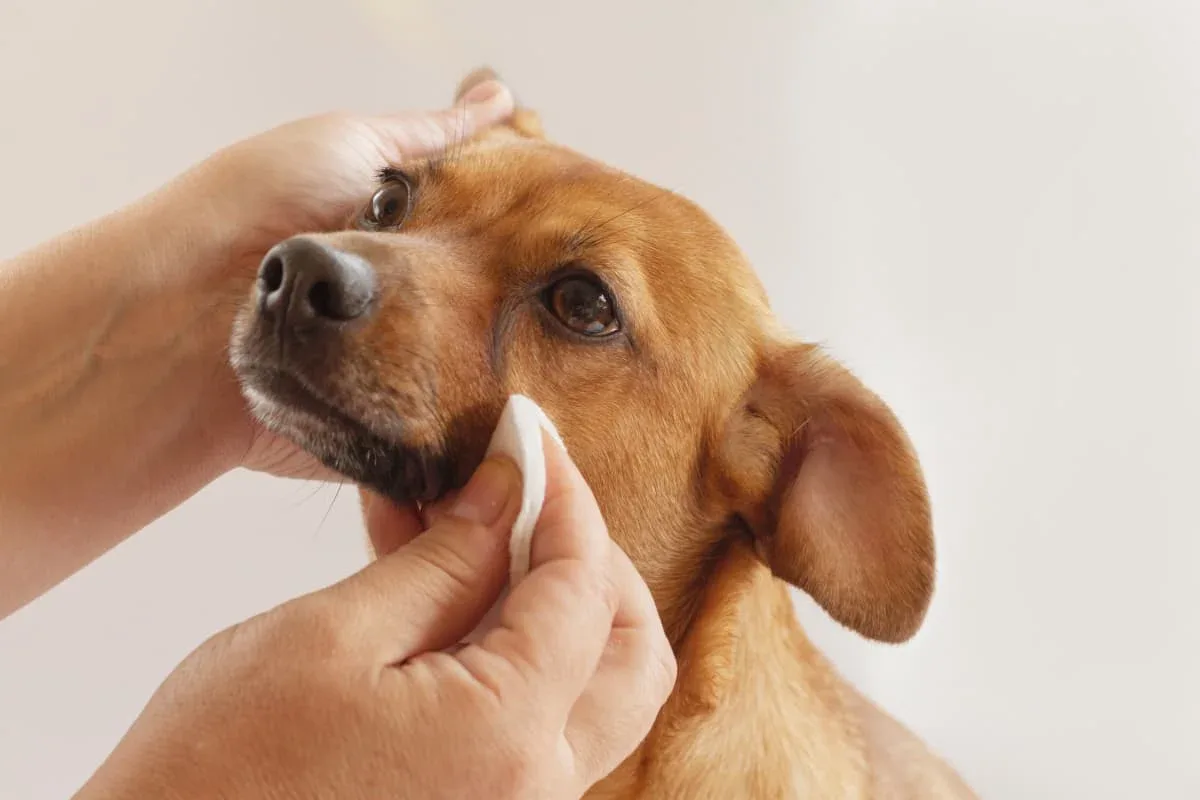
When addressing marks near the eyes, moisten a fresh cloth with lukewarm water and lay it gently over crusted areas for a few seconds to loosen the residue. Sweep the cloth outward, following the direction of hair growth, while being careful not to press on the eyeball or let any solution enter the eye itself.

Along the muzzle and chin, wipe away accumulated saliva, then assess whether bad breath, gum bleeding, a damaged tooth, or reluctance to chew might be driving the moisture. For paws, clean between each toe and around the pad surface, searching for embedded debris, cuts, sore nails, or other triggers behind the licking behavior.

On body fur, apply a modest quantity of canine-safe shampoo, work it through the stained section, and rinse completely with a damp cloth. Aggressive scrubbing only worsens irritation on skin that is already compromised, so use a light touch throughout.

  • Allow dried material to soften before attempting removal rather than picking at it.
  • Always wipe facial areas away from the eye.
  • Switch to a fresh cloth before transitioning between paw and face zones.
  • Cease cleaning immediately if the dog resists sharply or the skin shows bleeding.
How to Clean Dog Fur Stains and Spot When They Need Veterinary Care

Use a pressing motion with a dry towel rather than sweeping it across the fur. This technique draws out moisture while protecting longer facial hairs from tangling and sparing sensitive paw areas from added friction.

Part the coat with your fingers to verify that skin surfaces, interdigital spaces, lip folds, and periocular hair have reached a completely dry state. Swap to a clean towel segment the moment the current one absorbs moisture or picks up dirt.

After everything is dry, re-examine the area for puffiness, redness, unpleasant smell, fluid leakage, or lesions that were previously hidden beneath the discoloration. Keep blow-dryer airflow and warm air well away from the face, and never allow the dog to rest with damp skin folds or wet paws.

  • Use a press-and-lift motion with the towel instead of rubbing.
  • Dry between toes and within skin folds without directing moisture into the ear canal.
  • Rotate to a dry towel section for every new cleaning pass.
  • Maintain distance between heated air devices and the face.

Every dog has different needs, so there is no universal timetable for stain removal. During your regular daily interactions, inspect areas prone to moisture and remove fresh tears, drool, or paw residue before it has a chance to set into the coat.

Light cosmetic discoloration typically responds to routine gentle maintenance whenever the hair feels damp or looks soiled. When you find yourself wiping the same spot every single day just to stay ahead, that recurring wetness or compulsive licking warrants a vet conversation rather than escalating to harsher cleaners.

Monitor how rapidly the color reappears after a full cleaning and drying cycle. Dogs that remain comfortable on a straightforward grooming schedule are doing well, but accelerated recurrence or expansion of the stained area signals that a veterinary discussion is warranted.

  • Examine the eyes, muzzle, paws, and rear area as part of your daily routine.
  • Address fresh moisture promptly instead of repeatedly attacking old set-in stains.
  • Launder reusable cloths after every single use session.
  • Keep a written log of how often stains return over a week or two to share with the vet.

Contact your veterinarian if eye-area marks appear alongside squinting, puffiness, atypical fluid, or visible discomfort. Asymmetrical staining—showing up on just one side—can be a particularly valuable clue, potentially indicating a localized ocular issue or blocked tear duct.

Rapid onset of heavy drooling, foul breath, gum bleeding, fractured teeth, or eating reluctance often ties mouth discoloration to underlying dental disease. Persistent single-paw licking frequently points to a foreign body or localized injury, whereas marks appearing on multiple paws may reflect a wider dermatological or allergic condition.

Your veterinarian will evaluate the eyes, oral cavity, paws, and surrounding skin, and may perform diagnostic procedures like skin scrapings if mites, fungal overgrowth, bacterial infection, or mange is suspected. Resolving the root cause always outweighs the temporary fix of masking discoloration.

  • Eye swelling, excessive squinting, or unusual colored discharge.
  • Foul odor, open wounds, bleeding, or skin that is tender to the touch.
  • Sudden drooling, gum bleeding, or difficulty chewing and eating.
  • Ongoing licking, limping, patchy hair loss, or stains that continue to expand.

FAQ

Frequently asked questions

Why does white dog fur turn pink or brown?

Tears and saliva carry porphyrins—iron-based compounds that deposit onto light-colored hair, producing pink, reddish, orange, or brown pigmentation wherever moisture repeatedly contacts the coat. On how to clean dog fur stains and spot when they need veterinary care, start by checking the routine before assuming the problem came out of nowhere.

How often should I clean stained fur?

Check moisture-prone zones during your daily handling routine and wipe away fresh tears, saliva, or paw residue as soon as you notice them. If you need to clean the same area every day or the discoloration returns quickly after thorough drying and cleaning, schedule a veterinary visit to identify the underlying trigger. On how to clean dog fur stains and spot when they need veterinary care, that timing works best when you act before buildup becomes obvious.

When are dog fur stains more than a cosmetic problem?

Seek veterinary evaluation when staining coincides with persistent scratching, visible swelling, foul odor, abnormal discharge, clear discomfort, sudden heavy drooling, bleeding gums, eating difficulty, limping, obsessive licking, or raw exposed skin. That keeps how to clean dog fur stains and spot when they need veterinary care tied to a real home-care routine instead of guesswork.

Sponsored