How to Groom a Double-Coated Dog for Safer At-Home Dog Grooming

Groomingdales guide

How to Groom a Double-Coated Dog for Safer At-Home Dog Grooming

Explore How to Groom a Double-Coated Dog for Safer At-Home Dog Grooming through the specific situations and details in the selected article.

Published July 22, 2026

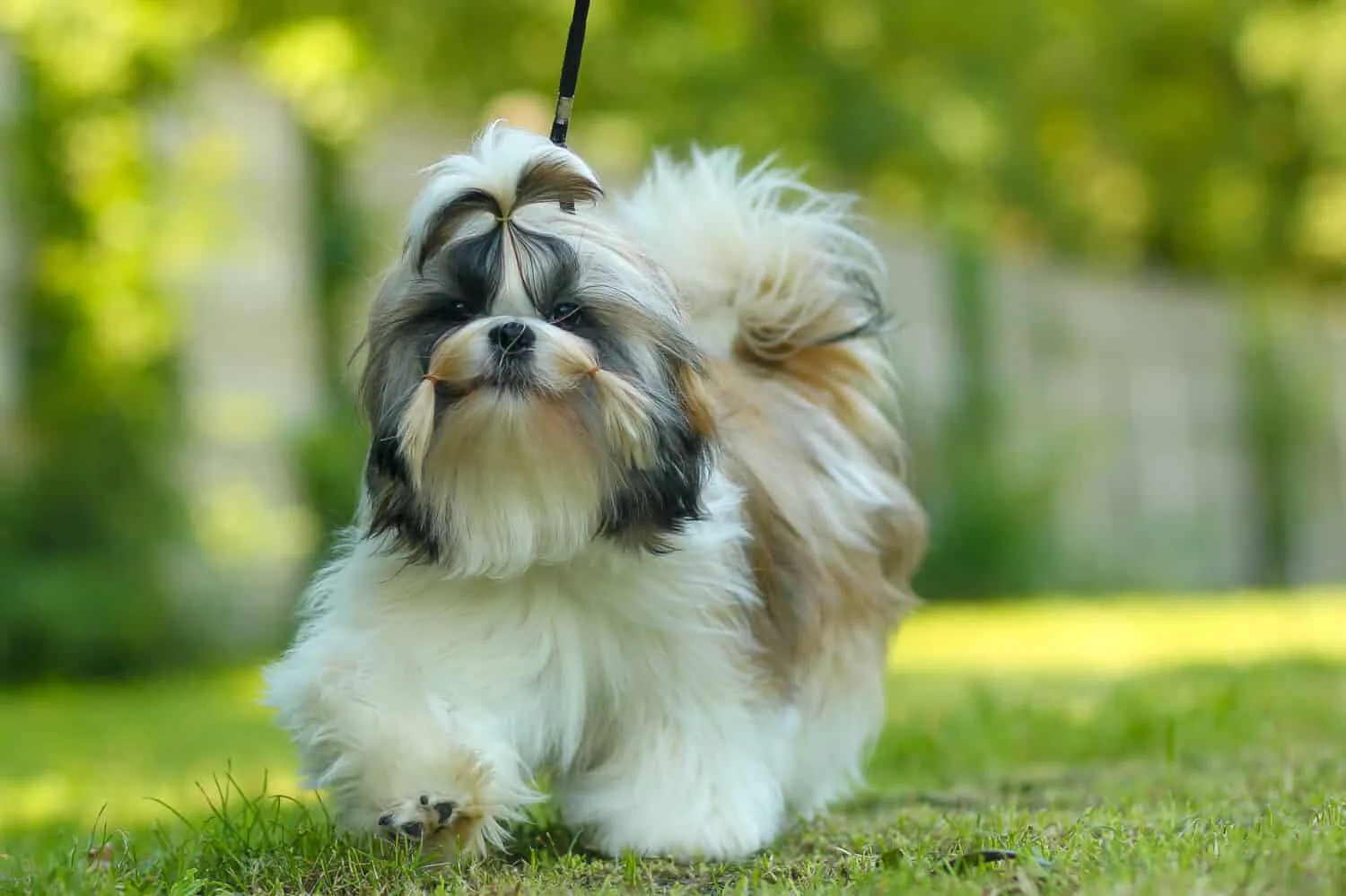
Many dog breeds carry a double coat that echoes the fur of their wolf ancestors. Beneath the coarser outer layer lies a soft, dense undercoat that helps regulate body temperature in both cold and hot weather. The topcoat, known as guard hairs, sits above the undercoat to repel moisture, protect the skin, and display the breed's signature color patterns.

Double coats vary widely across breeds. They can be short, as seen in Beagles and Labrador Retrievers; medium, like Golden Retrievers and Border Collies; long, found in Collies and Newfoundlands; Arctic, such as Pomeranians and Samoyeds; or wired, as in Norwich Terriers and wirehaired Dachshunds.

Watch This Before Grooming Any Double-Coated Dog - Full Sheltie Lesson

Free Masterclass: Learn how to safely and effectively groom any double-coated dog in this full, start-to-finish Sheltie lesson.

  • Channel: Go Groomer

Video source: Go Groomer

Quick read

Key takeaways

  • Build the grooming routine around the jobs that most often cause discomfort or buildup, not around a perfect all-at-once schedule.
  • Use tools that are gentle enough to repeat regularly and simple enough to keep within reach.
  • When a basic home routine stops working, treat that as a clue to inspect the skin, coat, or nails more closely instead of cleaning harder.

Double coats are designed for northern climates, but indoor dogs shed differently depending on their environment. Professional groomer Dale Martins, a Norwich Terrier breeder and agility competitor, notes that while a dog in a colder region may blow their undercoat only in spring and fall, a dog in a warmer home could shed four times a year or even year-round.

To manage this, brush your dog with a slicker brush followed by a comb at least once a week. Regular brushing removes dead hair, spreads natural oils across the coat, prevents skin infections, and stimulates healthy new hair growth.

"Be sure to brush the hair, not the skin, like you would brush your own hair," Martins advises. Slicker brushes come in three strengths: use a soft brush for puppies and a medium-strength brush for adult dogs.
How to Groom a Double-Coated Dog for Safer At-Home Dog Grooming

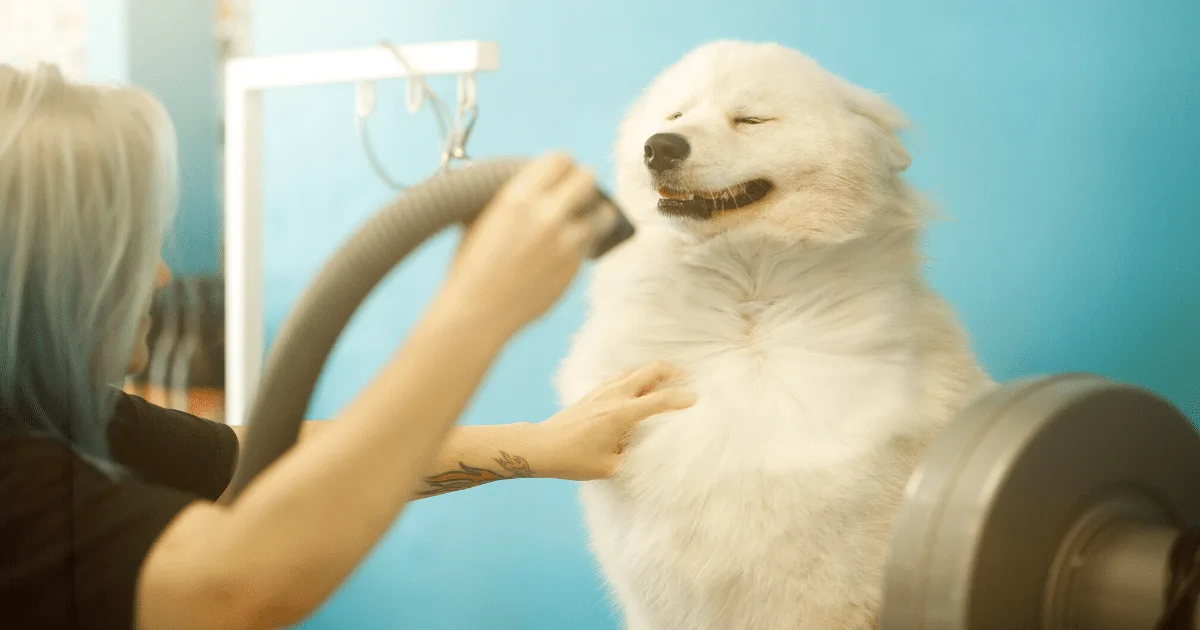
While bathing is necessary, over-bathing can strip a double coat of the natural oils it needs to stay healthy. Shampoo your dog with a quality de-shedding formula only when they get dirty or develop an odor. Be meticulous about rinsing; wash out all shampoo residue by rinsing, rinsing again, and then rinsing once more before drying your dog thoroughly.

Eye health should also be monitored during grooming sessions. If a dog's eyes appear red or teary, or if the discharge is heavy, discolored, or isolated under one eye, these may be signs of an infection that requires veterinary attention.

Ear care is important for all coat types, though double-coated dogs are generally less likely to have thick hair growing inside the ear canal. Check ears at least once a month for dirt and signs of infection. Clean the outer ear with a cotton ball dipped in mineral oil, and consult a vet if the ear is red, smelly, or if the dog frequently shakes their head.

How to Groom a Double-Coated Dog for Safer At-Home Dog Grooming
Sponsored

A complete grooming routine includes dental and nail care. Ideally, brush your dog's teeth daily using a soft toothbrush and toothpaste made specifically for dogs. For nails, Martins suggests trimming a small amount each week to keep them softer and reduce the risk of cutting the quirk, which is especially helpful for breeds like Norwich Terriers that have black nails growing quickly to the nail tip.

When maintaining a double coat, avoid shaving unless there is severe matting and thick hair buildup that prevents the skin from drying out. Shaving does not stop shedding; instead, it can damage the topcoat, increase the risk of sunburn and skin issues, and compromise the undercoat that insulates the dog in winter and allows air to reach the skin in summer.

For dogs with hard, wiry coats like the Welsh Terrier, professional groomers may recommend "hand stripping. " This painless technique removes dead hair and promotes healthy new growth. Shaving a wire-coated dog cuts the hair shaft at the skin, which can prevent the coat from ever fully returning to its natural hard texture.

How to Groom a Double-Coated Dog for Safer At-Home Dog Grooming

FAQ

Frequently asked questions

Can I shave my double-coated dog to stop them from shedding?

Shaving does not eliminate shedding and can actually damage the coat. The topcoat protects against sunburn and moisture, while the undercoat insulates against cold and allows airflow to keep the skin cool. Only shave a double coat if severe matting prevents the skin from drying, and even then, consult a professional groomer. For How to Groom a Double-Coated Dog for Safer At-Home Dog Grooming, the safer version is usually the one that leaves less cleanup and less stress afterward.

How often should I brush a double-coated dog?

Brush with a slicker brush and follow up with a comb at least once a week. This routine removes loose dead hair, distributes natural oils, prevents tangles, and keeps the skin healthy. You may need to brush more frequently during heavy shedding seasons or if your dog lives in a warm climate. On How to Groom a Double-Coated Dog for Safer At-Home Dog Grooming, that timing works best when you act before buildup becomes obvious.

What is the difference between brushing and hand-stripping?

Brushing is the standard care for most double coats to remove loose hair and maintain the coat's condition. Hand-stripping is a specialized technique used for hard, wiry coats, such as on a Welsh Terrier. It pulls out dead hair without cutting the shaft, helping the coat retain its natural texture and promote healthy regrowth. That keeps How to Groom a Double-Coated Dog for Safer At-Home Dog Grooming tied to a real home-care routine instead of guesswork.

Why do some double-coated dogs shed all year round?

Double coats evolved for northern climates, so dogs in colder regions typically shed their undercoat heavily in spring and fall. However, dogs living in warmer environments or indoors with consistent temperatures may shed more consistently throughout the year rather than in distinct seasonal waves. For How to Groom a Double-Coated Dog for Safer At-Home Dog Grooming, the safer version is usually the one that leaves less cleanup and less stress afterward.

Sponsored