How to Make and Use Homemade Dog Shampoo Safely

Groomingdales guide

How to Make and Use Homemade Dog Shampoo Safely

Help dog owners measure, mix, apply, rinse, and dry a homemade shampoo safely, and recognize when skin problems require veterinary care.

Published August 5, 2026

A homemade canine bath solution can work well for occasional use, provided every component is measured precisely and applied with care. It is fundamentally different from reaching for a bottle of human shampoo: people and dogs carry distinct skin pH levels, and products formulated for human use can disrupt a dog's protective barrier, leading to dryness and irritation. A gentle recipe, a complete rinse, and thorough drying are all essential because leftover residue or trapped moisture can easily turn a routine bath into an uncomfortable experience.

Pick the formula that fits your dog's current coat condition instead of combining every option at once. The simple water, mild soap, and vinegar blend is designed for routine cleaning of a dirty or odorous coat. The oatmeal preparation is the milder option outlined for dry or sensitive skin. Dogs experiencing ongoing itching, open sores, persistent odor, patchy hair loss, or any diagnosed skin disorder should see a veterinarian rather than relying on repeated homemade treatments.

FREE Recipe - Unscented & Gentle 🐶 Dog Shampoo Bar Soap #diy #gift #dogshampoo #puppylove

We are making a super gentle and pet friendly CP soap today. I'm leaving this bar unscented, and using clays for the colorants.

  • Channel: Ellen Ruth Soap

Video source: Ellen Ruth Soap

Quick read

Key takeaways

  • Build the grooming routine around the jobs that most often cause discomfort or buildup, not around a perfect all-at-once schedule.
  • Use tools that are gentle enough to repeat regularly and simple enough to keep within reach.
  • When a basic home routine stops working, treat that as a clue to inspect the skin, coat, or nails more closely instead of cleaning harder.

For a straightforward clean on a coat that is simply dirty or smelly, the three-ingredient formula calls for 2 cups of warm water, 1/4 cup of non-toxic dish soap, and 1/2 cup of white vinegar. The soap breaks down grime and oils, while the vinegar helps neutralize odors and adds shine. Since soap has a drying effect, this blend is meant for occasional use rather than regular coat maintenance.

When a dog has dry or sensitive skin, the oatmeal formula is the recommended choice. It combines 1 cup of uncooked oatmeal, 1/2 cup of baking soda, and 1 quart of warm water. The oatmeal must be ground to a flour-like consistency before mixing in the baking soda and water. Fine oatmeal spreads evenly through the coat and rinses out far more easily than coarse flakes.

Another formula suited for dry skin blends 1 quart of water, 1 cup of white or apple cider vinegar, 1/3 cup of glycerin, 1 cup of baby shampoo or non-toxic dish soap, and 2 tablespoons of aloe vera gel. Never add fragrance oils to any homemade mixture. Essential oils carry a real risk of severe toxic or immune reactions in dogs, and aromatherapy oils must never be applied directly or without proper dilution.

  • Basic wash: warm water, non-toxic dish soap, white vinegar
  • Soothing oatmeal wash: flour-fine oatmeal, baking soda, warm water
  • Hydrating aloe blend: water, vinegar, glycerin, mild soap, aloe vera gel
  • Avoid human shampoo and any unapproved essential oils
How to Make and Use Homemade Dog Shampoo Safely

Lay out all your tools before calling your dog over. You will need measuring cups and spoons, a clean spray bottle with a functioning nozzle, and a large mixing bowl. The oatmeal recipe additionally requires a coffee grinder or food processor. Any container that previously held household cleaners must be washed thoroughly; a bottle with residual cleaning chemicals is never safe for a topical skin product.

For the basic or aloe formulas, pour the measured liquids into the spray bottle, seal it, and shake until everything is well combined. For the oatmeal version, grind the dry oatmeal first, then stir in the baking soda and warm water in a bowl until the mixture is smooth with no dry pockets. Prepare only the amount you need for one bath rather than storing an unlabeled mixture for later.

Label your spray bottle clearly as dog shampoo while it is in use, and store it where children and pets cannot reach it. If the mixture appears separated, smells off, or contains an ingredient you cannot identify, throw it out and prepare a fresh batch. Precise measurement is always safer than adding extra soap for more lather or extra vinegar for stronger deodorizing.

  • Measuring cups and measuring spoons
  • Clean spray bottle and large mixing bowl
  • Coffee grinder or food processor for the oatmeal recipe
  • Several absorbent towels ready before the bath begins
How to Make and Use Homemade Dog Shampoo Safely
Sponsored

Position towels within easy reach and place a non-slip mat in the tub or bathing area so your dog feels secure. Use water that is comfortably warm, never hot. Keep your measured shampoo, a rinse cup or handheld sprayer, and a dry towel close enough to grab with one hand without turning your back on the dog.

Before wetting the coat, take a moment to examine the skin. Widespread redness, raw patches, open wounds, pustules, a strong yeasty smell, or any sign of pain when you touch the coat are reasons to skip the bath and contact a veterinarian. Shampoo can clean surface dirt, but it cannot treat infections, allergies, parasite infestations, or other underlying skin conditions.

Wet the coat thoroughly with warm water, working slowly through thick or dense areas. Keep water away from the ear canals and direct the flow away from the face. When cleaning the head, use a damp cloth instead of spraying near the eyes, nose, or mouth.

  • Non-slip mat or stable bathing surface
  • Warm-water sprayer or rinse cup
  • Damp face cloth
  • Towels placed within arm's reach
How to Make and Use Homemade Dog Shampoo Safely

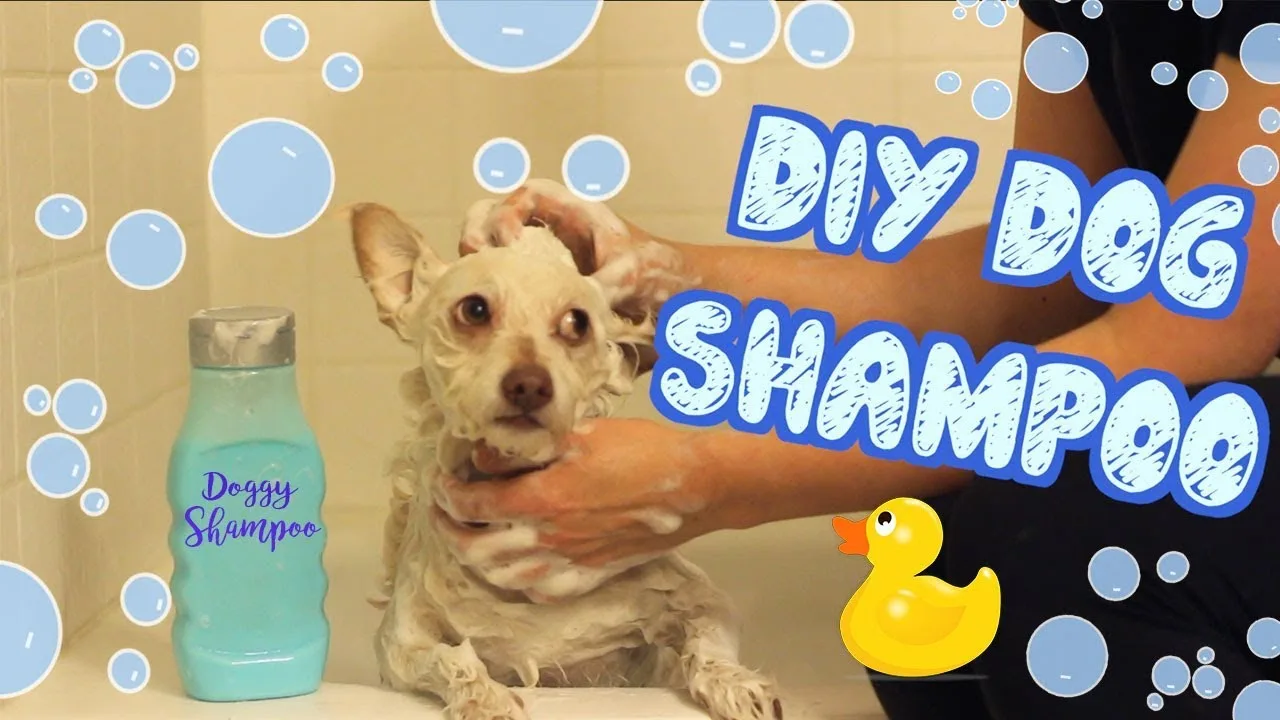
Spray or spread the shampoo over the wet body while steering clear of the face. Work it into the coat using gentle fingertip motions, covering the chest, underside, legs, paws, and tail without scrubbing any irritated areas. Even distribution across the coat matters more than building up a thick lather.

With the oatmeal recipe, allow the lather to rest for a few minutes as directed, keeping a close watch on the dog to prevent licking. Do not leave the mixture on longer in an attempt to calm severe itching. If you notice increased redness, agitation, weakness, drooling, or discomfort at any point, rinse immediately and contact your veterinarian.

Rinse repeatedly and thoroughly with warm water. Part the hair in thick-coated areas and run clean water down to the skin. Continue rinsing until the water runs clear, the coat no longer feels slick or slippery, and no oatmeal particles or soap residue remain around the armpits, groin, paws, or beneath the collar.

  • Apply from the neck down the body, keeping away from the face
  • Massage gently through the entire coat
  • Let the oatmeal lather sit only for a few minutes
  • Rinse dense and folded areas multiple times

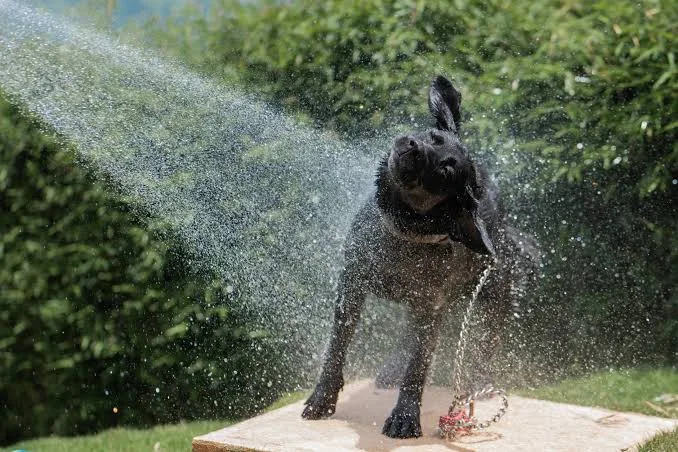
Allow the dog to shake once in the tub, then press absorbent towels against the coat to soak up water. Blot and squeeze long hair rather than rubbing in circles, which can create tangles. Swap in a dry towel as soon as the first one becomes saturated instead of spreading dampness around the coat.

Work systematically from the back and chest toward the underside, legs, paws, and tail. Give extra attention to skin folds, between the toes, behind the ears, and under dense coat regions where moisture tends to linger. The skin should feel dry and comfortably warm before the dog returns to bedding or goes outside in cooler weather.

If a pet dryer is used, select an unheated or low-heat setting, keep the nozzle constantly moving, and stop immediately if the skin feels hot or the dog shows signs of distress. Never concentrate high heat on a single spot. A towel-only dry is perfectly adequate when you can reach the skin and remove all moisture thoroughly.

  • Blot and squeeze rather than rubbing vigorously
  • Switch to a dry towel when the first one is saturated
  • Pay close attention to folds, paws, and dense undercoat
  • Use only moving, low or no-heat settings on a pet dryer

There is no universal bathing schedule that fits every dog. Coat type, activity level, outdoor exposure, and overall skin health all influence how often a bath is appropriate. Most dogs require only occasional baths when they become visibly dirty or develop an odor; washing a clean coat repeatedly with a soap-based mixture can strip natural oils and worsen dryness.

Between baths, remove loose dirt with brushing, wipe muddy paws, and wash the dog's bedding instead of re-shampooing the entire coat. If a veterinarian has prescribed a medicated shampoo, follow that product's instructions for contact time and frequency rather than alternating it with a homemade recipe without professional guidance. Homemade shampoo serves a grooming purpose and is not a substitute for flea prevention or medical treatment.

Contact a veterinarian when itching is intense or persists after rinsing, when redness spreads, or when you observe sores, swelling, hives, hair loss, discharge, a strong recurring odor, or signs of pain. Seek urgent veterinary advice immediately if your dog has ingested or been exposed to essential oils and begins drooling, vomiting, showing weakness, trembling, struggling to breathe, or collapsing.

  • Bathe only when the coat is dirty or odorous, not on a fixed weekly schedule
  • Reduce bathing frequency if the coat becomes dry or brittle
  • Follow a veterinarian's prescribed shampoo schedule exactly
  • Seek veterinary care for persistent or severe skin symptoms

FAQ

Frequently asked questions

Can I use human shampoo on my dog in an emergency?

No. Human shampoo is formulated for more acidic skin and can disrupt a dog's skin barrier, causing dryness and irritation. Opt for a dog-safe product instead, or postpone the full bath and simply wipe away surface dirt with water. For How to Make and Use Homemade Dog Shampoo Safely, the safer version is usually the one that leaves less cleanup and less stress afterward.

Which homemade recipe works best for dry or itchy skin?

The oatmeal formula is the recommended option for dry or sensitive skin. It uses 1 cup of flour-fine uncooked oatmeal, 1/2 cup of baking soda, and 1 quart of warm water. If your dog suffers from chronic or severe itching, have a veterinarian evaluate the underlying cause rather than relying on repeated home baths. That keeps How to Make and Use Homemade Dog Shampoo Safely tied to a real home-care routine instead of guesswork.

How can I tell if I've rinsed all the shampoo out?

Continue rinsing until the water running off the coat is completely clear, the fur no longer feels slick or slippery to the touch, and no soap suds or oatmeal particles remain in thick-coated areas, skin folds, armpits, paws, or the groin. For How to Make and Use Homemade Dog Shampoo Safely, the safer version is usually the one that leaves less cleanup and less stress afterward.

Can I add essential oils to my homemade dog shampoo?

Do not add essential oils without first consulting a veterinarian. Certain oils are toxic to dogs, undiluted aromatherapy products should never be applied to a dog's skin, and homemade shampoo should never be used as a replacement for veterinarian-recommended flea prevention. For How to Make and Use Homemade Dog Shampoo Safely, the safer version is usually the one that leaves less cleanup and less stress afterward.

Sponsored