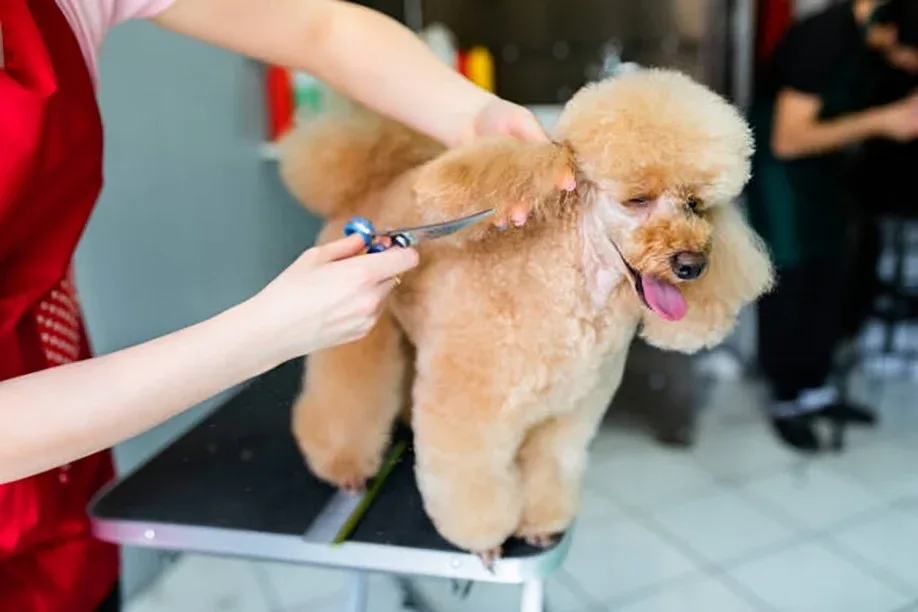
How to Set a Dog Grooming Schedule That Fits the Coat, Not the Calendar

Groomingdales guide

How to Set a Dog Grooming Schedule That Fits the Coat, Not the Calendar

Help dog owners decide when to brush, bathe, trim, or book a groom based on what the coat is telling them.

Published June 30, 2026

A useful dog grooming schedule starts with what the coat and body are doing, not with a generic four-week reminder.

That means each part of the routine needs its own rhythm. Nails may need attention more often than bathing. A long or curly coat may need brushing several times a week even when the bath is still weeks away. A short-coated dog that swims, hikes, sheds heavily, or develops itchy skin may need a different plan than a low-activity dog with the same breed label.

Use the schedule below as a working checklist: check nails, coat friction points, odor, skin, ears, and mat risk first, then decide whether the next step belongs at home or with a groomer.

How often should my dog be groomed? - Grooming schedules explained

Hi all, and welcome to The Dog Grooming Nerd! Today's video expands on last week's video about different dog coat types.

  • Channel: The Dog Grooming Nerd

Video source: The Dog Grooming Nerd

Quick read

Key takeaways

  • Build the grooming routine around the jobs that most often cause discomfort or buildup, not around a perfect all-at-once schedule.
  • Use tools that are gentle enough to repeat regularly and simple enough to keep within reach.
  • When a basic home routine stops working, treat that as a clue to inspect the skin, coat, or nails more closely instead of cleaning harder.

Start with coat type, nail length, and mat risk

Begin the week by putting your hands on the dog, not just looking at the calendar. Run a comb through the ears, collar line, armpits, belly, tail, and leg feathering. If the comb stops, the coat is already telling you the schedule is too loose for that dog’s current lifestyle.

Check nails at the same time. Long nails are not only cosmetic; they can change pressure through the toes and joints, catch in carpet or bedding, and in some dogs curl toward the paw pad. A dog that clicks loudly on hard floors or shifts weight away from the toes should not wait for the next full groom just to get nails shortened.

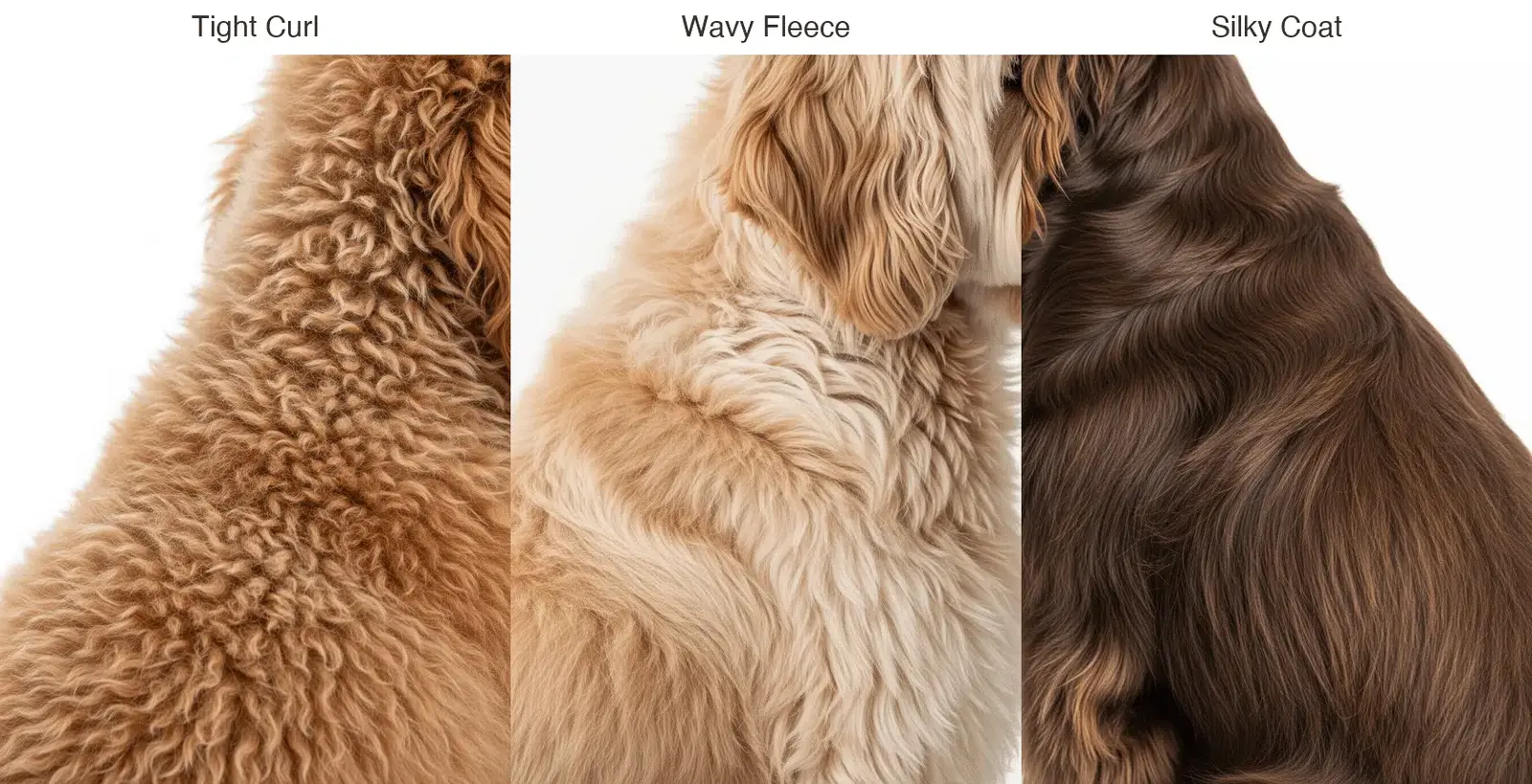
  • Comb friction areas once or twice a week on long, curly, wavy, or double coats.
  • Trim or file nails when they touch the floor at rest or change the dog’s stance.
  • Move the salon appointment earlier if mats tighten, skin reddens, or brushing becomes painful.
How to Set a Dog Grooming Schedule That Fits the Coat, Not the Calendar

Separate brushing, bathing, drying, and haircut timing

Brushing is the part owners can usually control between professional visits. For coats that tangle, short brushing sessions several times a week do more than one long session after the coat is already packed. Use a slicker brush to open the coat, then a metal comb to confirm the work reached the skin without scraping it.

Bathing belongs on a different schedule. A dog that is dirty, oily, smelly, or itchy may need a bath, but a bath without full drying can make dense coats worse by tightening loose undercoat or leaving damp areas near the skin. After bathing, towel first, then blow-dry on a comfortable setting and comb again once the coat is fully dry.

  • Brush before the bath so water does not tighten existing tangles.
  • Use towels to press water out, then dry the coat all the way to the skin on dense areas.
  • Schedule haircuts by coat growth and comfort, not by whether the dog still looks tidy from across the room.
How to Set a Dog Grooming Schedule That Fits the Coat, Not the Calendar
Sponsored

Adjust the routine for season, activity, and skin comfort

A dog’s grooming interval can change during the year. Shedding seasons often need more brushing and blow-out work. Mud, lake water, beach sand, pollen, snow melt, and grass seeds can all change how quickly the coat feels dirty or how often paws and ears need checking.

Skin matters as much as coat length. If the dog develops flakes, hot spots, repeated scratching, ear odor, or redness after grooming, do not simply shorten the interval and hope it settles. Gentle grooming helps comfort, but recurring skin or ear changes should be discussed with a veterinarian.

  • Increase brushing during heavy shedding instead of waiting for clumps to pack into the coat.
  • Rinse and dry paws, belly, and feathering after wet or muddy outings.
  • Call a vet for persistent itching, red skin, strong ear odor, sores, or painful paw pads.
How to Set a Dog Grooming Schedule That Fits the Coat, Not the Calendar

Book the groom before the coat starts causing discomfort

The right professional interval is the one that keeps the dog comfortable before the coat becomes a repair job. For many long, curly, or high-maintenance coats, that may mean a full groom about every four to eight weeks with home brushing in between. Short coats may go longer between full appointments, but nails, ears, shedding, and skin checks still need their own schedule.

Do not wait until every service is overdue at once. A nail-only visit, face trim, sanitary trim, brush-out, or bath-and-blow-out can keep a dog comfortable between full haircuts. That smaller maintenance step is often easier on the dog than letting mats, long nails, and dirty coat accumulate until the next full appointment.

  • Use four to eight weeks as a starting range for high-maintenance coats, then adjust by matting and comfort.
  • Use short maintenance visits for nails, ears, face, sanitary areas, or brush-outs when only one part is overdue.
  • Stop home grooming and ask a groomer or vet if the dog yelps, guards an area, bleeds, limps, or has tight mats close to the skin.

FAQ

Frequently asked questions

How often should a dog be professionally groomed?

Many long, curly, wavy, or high-shedding coats do best around every four to eight weeks, but the real answer depends on mat risk, nail growth, skin comfort, activity level, and home brushing. Short-coated dogs may need fewer full grooms, while still needing nail trims and ear or paw checks more often. On dog grooming schedule by coat type, that timing works best when you act before buildup becomes obvious.

What grooming task usually needs attention most often?

Nails usually need the most frequent attention. If nails click loudly, touch the floor at rest, snag in fabric, or change how the dog stands, they should be trimmed or filed before the next full grooming appointment. That keeps dog grooming schedule by coat type tied to a real home-care routine instead of guesswork.

When should grooming become a vet question?

Call a veterinarian for repeated itching, red or broken skin, strong ear odor, sores, sudden pain during brushing, limping from nail or paw issues, or mats that seem to be pulling on irritated skin. Grooming can maintain comfort, but it should not replace medical care for skin, ear, or pain symptoms. On dog grooming schedule by coat type, that timing works best when you act before buildup becomes obvious.

Sponsored