How to Stop Muddy Dog Paws From Taking Over the House in Winter

Groomingdales guide

How to Stop Muddy Dog Paws From Taking Over the House in Winter

Help owners keep winter mud, slush, and salt from turning into a paw-care and house-cleaning problem by setting up a practical before-and-after walk routine.

Published June 22, 2026Updated June 18, 2026

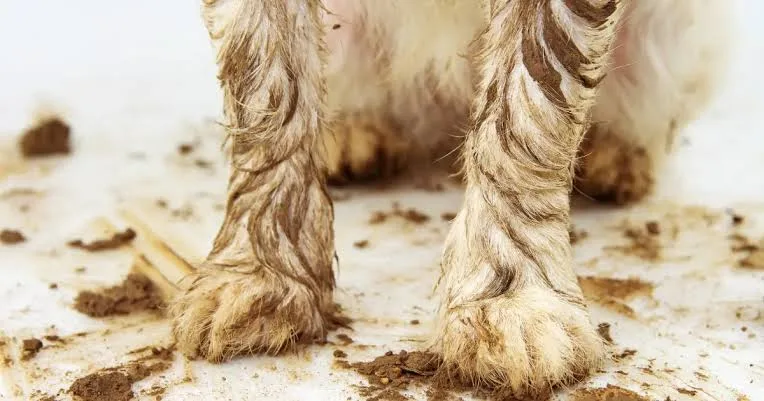
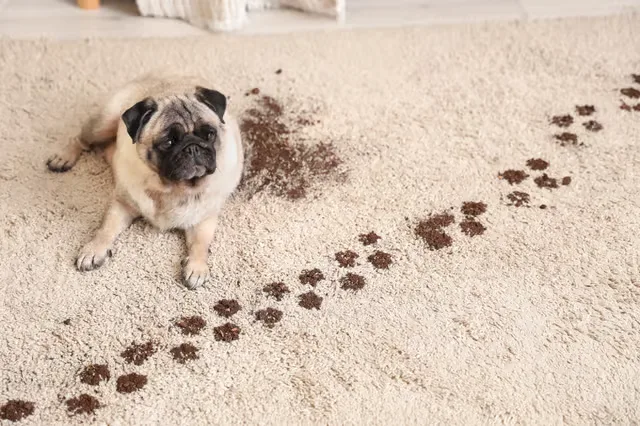
Muddy dog paws become a whole-house problem because the mess usually gets handled too late. By the time the dog is halfway across the kitchen, the slush has already reached the floor, the rugs, and the fur between the toes that is going to stay damp afterward.

A better winter routine keeps the cleanup small and fast. Trim the areas that collect mud, make the doorway do most of the work, and check whether the paws only need a wipe or whether salt, packed snow, or irritated pads call for a fuller rinse and dry.

5 Ways How to Deal with Muddy Dog Paws

5 Ways How to Deal withMuddy Dog Paws.

  • Channel: Animal Kingdom

Video source: Animal Kingdom

Quick read

Key takeaways

  • Build the grooming routine around the jobs that most often cause discomfort or buildup, not around a perfect all-at-once schedule.
  • Use tools that are gentle enough to repeat regularly and simple enough to keep within reach.
  • When a basic home routine stops working, treat that as a clue to inspect the skin, coat, or nails more closely instead of cleaning harder.

Trim and prep the paws before the weather does the damage

Winter mud sticks faster when the dog has long fur between the pads or around the feet. That extra hair acts like a sponge for slush, dirt, and tiny bits of debris that keep traveling indoors after the walk is over.

A small tidy trim does not solve every muddy day, but it reduces how much wet grime the feet can hold and makes the cleanup far easier once you get back inside.

  • Keep pad fur and lower foot feathering tidy enough that slush cannot pack in so easily.
  • Check for cracked pads or irritation before the next wet walk makes them worse.
  • Set out towels, wipes, or rinse tools before you leave, not after you come back.
How to Stop Muddy Dog Paws From Taking Over the House in Winter

Make the doorway do the cleanup work

The easiest place to control muddy paws is the first place the dog stops. A mat, towel zone, rinse station, or shallow cleanup setup near the entrance keeps the mess contained before it spreads into the rest of the house.

This matters because many dogs will tolerate a short, predictable cleanup better than a frantic chase after they have already bolted down the hallway.

  • Choose one consistent entry spot for winter paw cleanup.
  • Use a mat or towel that catches the first layer of mud before you reach for finer cleaning.
  • Keep the routine short enough that the dog does not learn to dodge the doorway.
How to Stop Muddy Dog Paws From Taking Over the House in Winter
Sponsored

Know when a wipe is enough and when the paws need a full rinse and dry

Some winter paws only need a quick towel pass. Others come in with road salt, packed snow, or mud pressed deep into the fur and skin folds. If you under-clean those feet, the bigger problem shows up later as licking, redness, or a damp smell that lingers after the floor looks fine.

A full rinse should be followed by real drying, especially between the toes. Leaving that area damp is how a simple cleanup job turns into irritation or matting.

  • Use wipes for light surface mess, but rinse when salt, grit, or packed slush is involved.
  • Dry between the toes instead of only drying the top of the foot.
  • Watch for licking, redness, or soreness after the walk.
How to Stop Muddy Dog Paws From Taking Over the House in Winter

Use extra protection when the weather keeps beating the paws up

Some dogs need more than cleanup when the weather gets harsh. Repeated exposure to road salt, frozen slush, and abrasive surfaces can justify boots, paw balm, shorter routes, or a faster trip back indoors on the worst days.

The right goal is not perfection. It is keeping the paws comfortable enough that each walk does not create a new cleaning fight or a new skin problem.

  • Consider boots or paw protection when salt and ice keep causing irritation.
  • Shorten or reroute walks when conditions are rougher than the paws can handle comfortably.
  • Call a groomer or vet when the pads stay cracked, sore, or inflamed.

FAQ

Frequently asked questions

Should I trim the fur between my dog's paw pads in winter?

Often yes, as long as you keep it tidy rather than shaving the whole foot aggressively. Shorter pad fur traps less slush, mud, and ice and makes cleanup easier. For how to stop muddy dog paws from taking over the house in winter, the safer version is usually the one that leaves less cleanup and less stress afterward.

Are wipes enough for muddy winter paws?

Sometimes, but not always. Wipes work for light surface mess, while salty slush or packed mud usually needs a proper rinse and careful drying between the toes. That keeps how to stop muddy dog paws from taking over the house in winter tied to a real home-care routine instead of guesswork.

When do muddy paws become a skin problem?

Pay closer attention when the dog keeps licking the feet, walks tenderly, or shows redness and cracking after winter outings. That usually means the issue is no longer just cosmetic dirt. For how to stop muddy dog paws from taking over the house in winter, the safer version is usually the one that leaves less cleanup and less stress afterward.

Sponsored