How to Trim a Dog's Nails Without Cutting Into the Quick

Groomingdales guide

How to Trim a Dog's Nails Without Cutting Into the Quick

Help owners trim a dog's nails at home with less panic by using better setup, smaller cuts, and clearer stop points before the quick is exposed.

Published June 18, 2026

Nail trims usually go wrong for the same reason baths and brush-outs go wrong: the human rushes the hardest part. One deep cut feels faster until the dog startles, the quick gets nicked, and every future trim gets harder than the last one.

A steadier method is to think in small pieces. Set the foot up securely, remove less nail than you think you need at first, watch how the center changes as you get closer, and quit while the dog still believes this is manageable.

How To Trim Dog Nails Without Clipping the Quick

You should definitely learnhow to trim dog nails without clippingthequick, but the fear ofcuttinga nail too short shouldn't stop ...

  • Channel: Top Dog Tips

Video source: Top Dog Tips

Quick read

Key takeaways

  • Build the nail care routine around the jobs that most often cause discomfort or buildup, not around a perfect all-at-once schedule.
  • Use tools that are gentle enough to repeat regularly and simple enough to keep within reach.
  • When a basic home routine stops working, treat that as a clue to inspect the skin, coat, or nails more closely instead of cleaning harder.

Set the dog and the tools up before you touch the nail

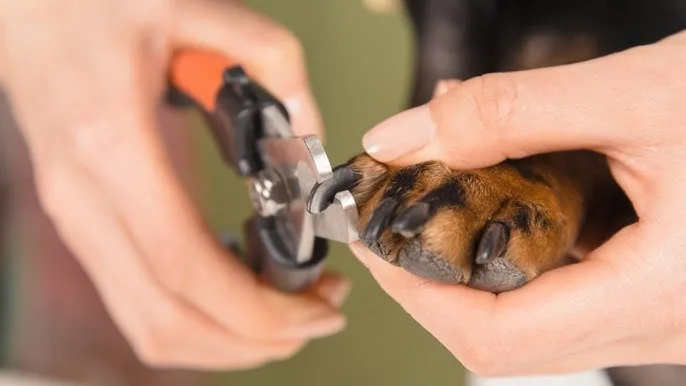
A trim goes better when the dog is standing or resting in a position you can actually control. Good lighting, a stable surface, the right clipper or grinder, styptic powder, and a reward plan should already be ready before the first paw comes up.

This prep matters because hesitation spreads fast during paw work. If you keep stopping to hunt for tools or adjust your grip, the dog gets more reasons to pull away.

  • Use bright light so you can read the nail shape clearly.
  • Keep clippers or grinder, styptic powder, and treats within reach.
  • Choose a body position that lets you support the paw without wrestling.
How to Trim a Dog's Nails Without Cutting Into the Quick

Take off less nail at a time than your instincts want to remove

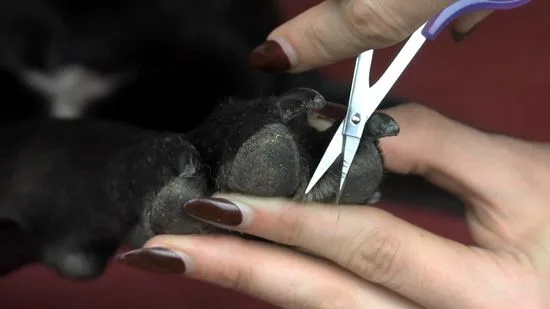
Most home accidents happen because the cut was too ambitious, not because the dog moved one millimeter. Small slices give you more chances to read the nail and less chance of hitting living tissue in one jump.

is especially important with dark nails, where the safe stopping point is harder to see at first. The trim may feel slower, but it usually becomes faster over time because the dog stays calmer and you make fewer mistakes.

  • Trim tiny sections instead of trying to finish the nail in one pass.
  • Angle the cut so you can keep checking the center of the nail.
  • On black nails, pause more often and inspect after every small cut.
How to Trim a Dog's Nails Without Cutting Into the Quick
Sponsored

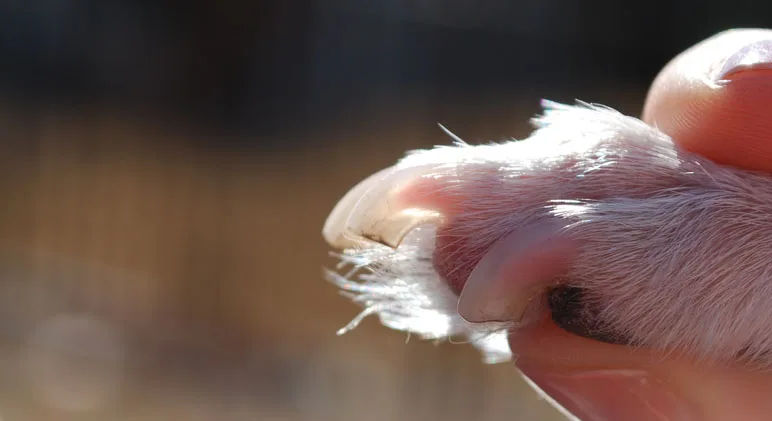
Watch for the nail center to change before the quick gets exposed

As you shorten the nail, the middle starts looking different. That change is your warning that you are getting close to the quick and should stop before the next cut becomes a gamble.

Owners often keep trimming because the nail still feels longer than ideal. It is usually better to leave a little extra and come back sooner next time than to push for a perfect shape that costs the dog trust.

  • Read the center of the trimmed surface after each cut.
  • Stop when the nail begins showing the softer inner target area.
  • Accept a safe slightly-longer nail over one more risky cut.
How to Trim a Dog's Nails Without Cutting Into the Quick

Use short sessions when the dog cannot give you every foot cleanly

Some dogs can handle a full trim, but many do better with two paws today and two later. Splitting the job does not mean you failed. It often means you protected the routine before it turned into a fight.

This is also when professional help makes sense. A fearful dog, very hairy feet, twisted nails, or past quicking accidents can justify asking a groomer or vet team to reset the process.

  • End early if stress is rising faster than progress.
  • Reward quiet paw handling even when the trim stays short.
  • Get pro help when nail shape, fear, or past bleeding makes home work too risky.

FAQ

Frequently asked questions

How often should I trim my dog's nails?

Most dogs do better with regular small trims rather than waiting until the nails are obviously long. The exact timing depends on activity level, surface wear, and nail growth, but frequent maintenance is easier than big catch-up sessions. On how to trim a dog's nails without cutting into the quick, that timing works best when you act before buildup becomes obvious.

What should I do if my dog has black nails?

Work in much smaller cuts, use better light, and inspect the center after every trim. With black nails, the safest strategy is patience and repeated short sessions. For how to trim a dog's nails without cutting into the quick, the safer version is usually the one that leaves less cleanup and less stress afterward.

What if I nick the quick?

Use styptic powder or your vet-recommended first-aid option, stay calm, and end the trim if the dog is upset. The bigger goal is to keep one mistake from turning every future paw session into a struggle. That keeps how to trim a dog's nails without cutting into the quick tied to a real home-care routine instead of guesswork.

Sponsored