How to Trim Dog Nails Safely Without Cutting the Quick

Groomingdales guide

How to Trim Dog Nails Safely Without Cutting the Quick

Help dog owners trim nails more safely by choosing the right tool, handling paws calmly, avoiding the quick, and knowing when a groomer or vet should take over.

Published July 8, 2026

Nail trimming is a fundamental part of responsible dog care. Short, smooth nails protect your dog’s joints, prevent slipping on hard floors, and stop painful ingrown nails. While professional groomers are an excellent resource for anxious pets, learning to trim nails at home builds trust and ensures your dog stays comfortable between visits.

How To Trim Dog Nails Safely

Here's how to trim dog nails safely. Our nail-trimming product recommendations: https://www.insider.com/how-to-cut-dog-nails ...

  • Channel: Home Insider

Video source: Home Insider

Quick read

Key takeaways

  • Build the nail care routine around the jobs that most often cause discomfort or buildup, not around a perfect all-at-once schedule.
  • Use tools that are gentle enough to repeat regularly and simple enough to keep within reach.
  • When a basic home routine stops working, treat that as a clue to inspect the skin, coat, or nails more closely instead of cleaning harder.

The success of a nail trim often comes down to preparation and patience. Since nail trimming can cause anxiety, start by getting your dog comfortable with having their paws handled long before you pick up clippers. Gently touch and hold your puppy’s paws during playtime or relaxation, offering praise and treats to create a positive association.

To make the actual trimming session less stressful, consider using distraction techniques. Many owners find success by allowing their dog to lick peanut butter or a similar treat from a silicone wall mat or lick mat while they work. This keeps your dog occupied and calm, making the process easier for both of you.

  • Start early: Begin handling your puppy’s feet and introducing nail tools from a young age.
  • Use positive reinforcement: Offer high-value treats and gentle praise throughout the process.
  • Create distractions: Use a lick mat or peanut butter to keep your dog focused on something enjoyable.
How to Trim Dog Nails Safely Without Cutting the Quick

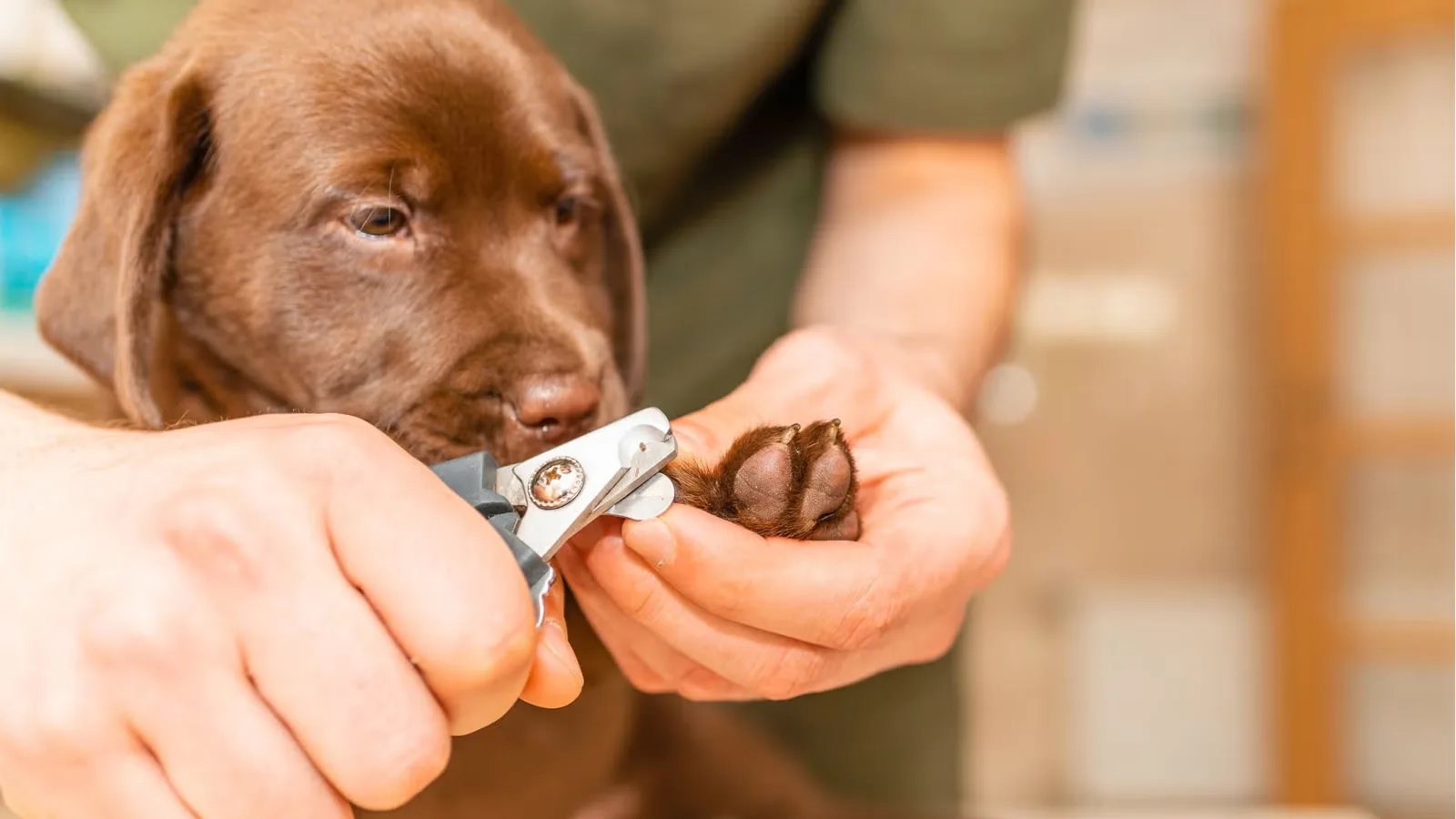
Selecting the right equipment is crucial for safety and comfort. Common options include guillotine-style clippers, scissor-style clippers, and rotary grinders (Dremels). Guillotine and scissor clippers are best for quick snips, while grinders file the nail down smoothly, which many dogs prefer due to the lack of a sharp 'snip' sensation.

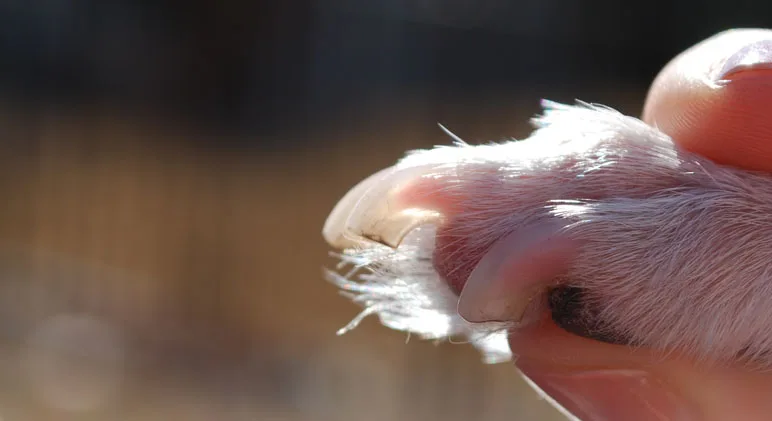
Before trimming, you must locate the quick—the pink, vascular tissue inside the nail that contains nerves and blood vessels. In dogs with light-colored nails, the quick is visible as a pink area. Avoid cutting into this sensitive tissue, as it causes pain and bleeding. For dogs with dark nails, where the quick is hidden, trim small amounts at a time, looking for a chalky white center in the cut nail, which indicates you are approaching the quick.

  • Identify the quick: In light nails, look for the pink center; in dark nails, trim small slices to avoid it.
  • Gather supplies: Have your chosen clippers or grinder, styptic powder or cornstarch for emergencies, and treats ready.
  • Position your dog: Ensure your dog is in a comfortable, stable position, either sitting on a non-slip surface or lying on their side.
How to Trim Dog Nails Safely Without Cutting the Quick
Sponsored

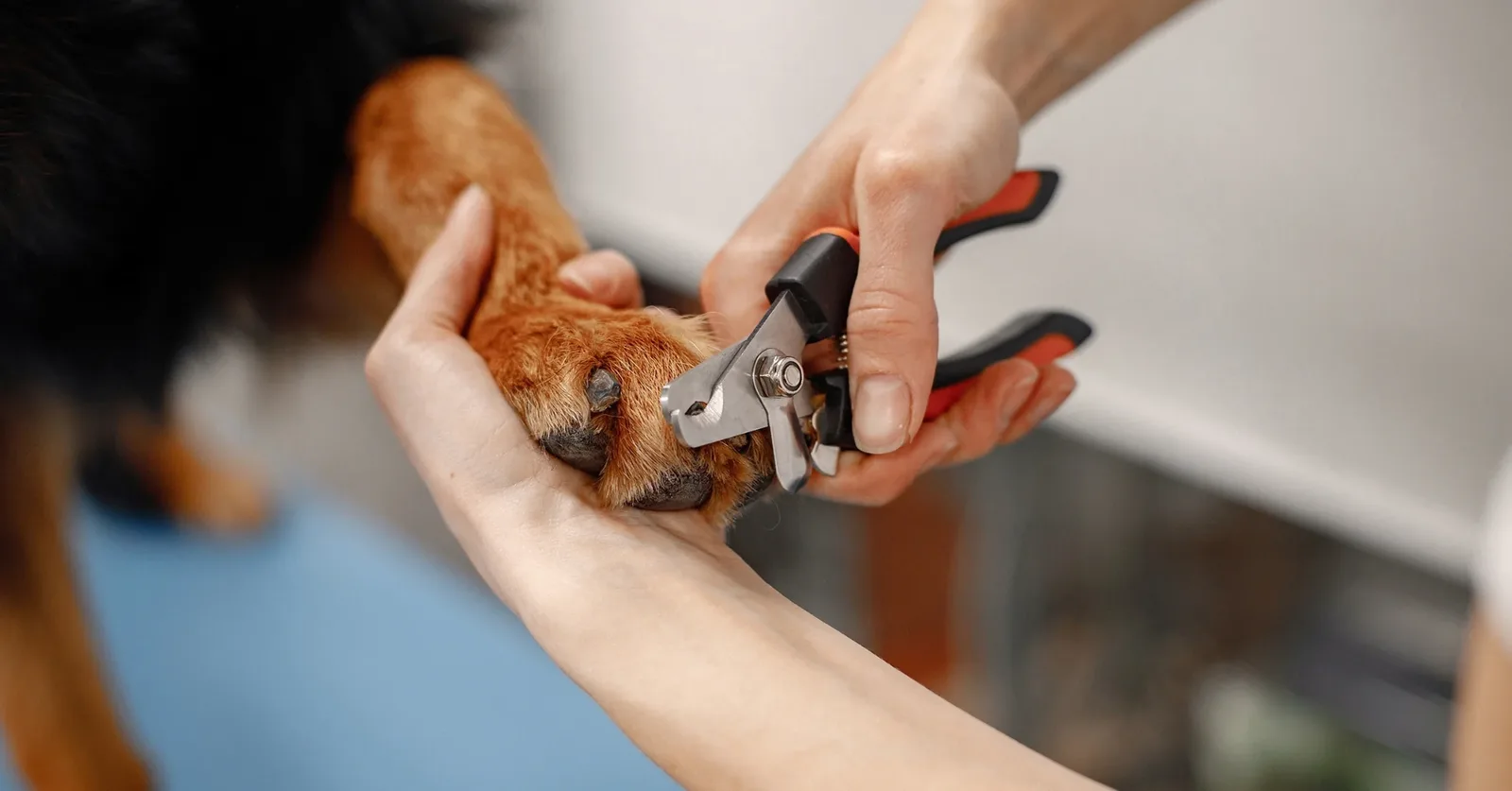
Begin by firmly but gently holding your dog’s paw. Place your thumb on the bottom of the toe pad and your forefinger on top of the toe to extend the nail fully. Make sure no fur is caught between the blade and the nail, as this can cause pain.

Trim small amounts at a time, aiming for a 45-degree angle following the natural curve of the nail. If using a grinder, apply it lightly to the nail tip, moving constantly to avoid heat buildup. After each few cuts, check the cross-section of the nail. If you see a black or gray dot in the center, stop immediately—you are near the quick.

  • Extend the nail: Press the toe pad to push the nail out for a clear view.
  • Trim conservatively: Cut small slices, especially if your dog is dark-coated or anxious.
  • Check the angle: Follow the natural curve of the nail to ensure a clean, safe cut.
  • Take breaks: Pause frequently to reward your dog and keep the experience positive.
How to Trim Dog Nails Safely Without Cutting the Quick

Even experienced groomers occasionally nick the quick. If this happens, stay calm to avoid transferring anxiety to your dog. Immediately apply styptic powder, alum block, or cornstarch to the tip of the nail. Hold firm pressure for a few moments until the bleeding stops.

If you don’t have styptic powder on hand, a bar of soap or flour can also help slow the bleeding. Once the bleeding stops, reassure your dog with gentle praise and a treat. If the bleeding does not stop after several minutes of pressure, or if your dog seems in significant distress, contact your veterinarian.

  • Apply pressure: Use styptic powder or cornstarch to stop bleeding quickly.
  • Stay calm: Your reaction influences your dog’s behavior; remain reassuring and gentle.
  • Seek help: Contact a vet if bleeding persists or if your dog shows signs of severe pain.

Not all dogs are candidates for at-home trimming, and that’s okay. If your dog becomes overly aggressive, fearful, or unmanageable despite your efforts, it is safer to leave the task to a professional groomer or veterinarian.

Additionally, dogs with severely overgrown nails, cracked nails, or underlying foot conditions require expert attention. A vet can also provide a lesson or demonstrate the proper technique if you are unsure about identifying the quick or handling your dog’s paws.

  • Recognize limits: If your dog is too stressed or aggressive, stop and seek professional assistance.
  • Consult a vet: For complex cases like ingrown nails, infections, or severe overgrowth, professional care is essential.
  • Ask for guidance: If you’re new to trimming, ask your vet or groomer for a hands-on demonstration.

FAQ

Frequently asked questions

How often should I trim my dog's nails?

Most dogs need their nails trimmed every 3–4 weeks. If you hear clicking on hard floors, your nails are likely too long. On how to trim dog nails safely without cutting the quick, that timing works best when you act before buildup becomes obvious.

What do I do if I accidentally cut my dog's quick?

Stay calm and apply styptic powder, cornstarch, or a bar of soap to the nail tip to stop bleeding. Reassure your dog and seek veterinary help if bleeding doesn't stop. For how to trim dog nails safely without cutting the quick, the safer version is usually the one that leaves less cleanup and less stress afterward.

Can I use human nail clippers on my dog?

No, human clippers are not designed for the curvature and thickness of dog nails. Use clippers specifically made for dogs or a rotary grinder. For how to trim dog nails safely without cutting the quick, the safer version is usually the one that leaves less cleanup and less stress afterward.

Sponsored