How to Use a Deshedding Tool Without Damaging the Coat or Skin

Groomingdales guide

How to Use a Deshedding Tool Without Damaging the Coat or Skin

A deshedding tool is most useful when it removes dead undercoat, smooths fluffy patches, de-poofs ears, supports terrier texture, and debulks doodle coats without scraping skin or replacing brushing and combing.

Published July 2, 2026

The tool works because it targets loose undercoat and stubborn soft areas, not because it should be dragged through every coat the same way.

For salon readers, This explains where this tool helps, when to use it in the grooming order, and how to keep skin safety and coat texture ahead of speed.

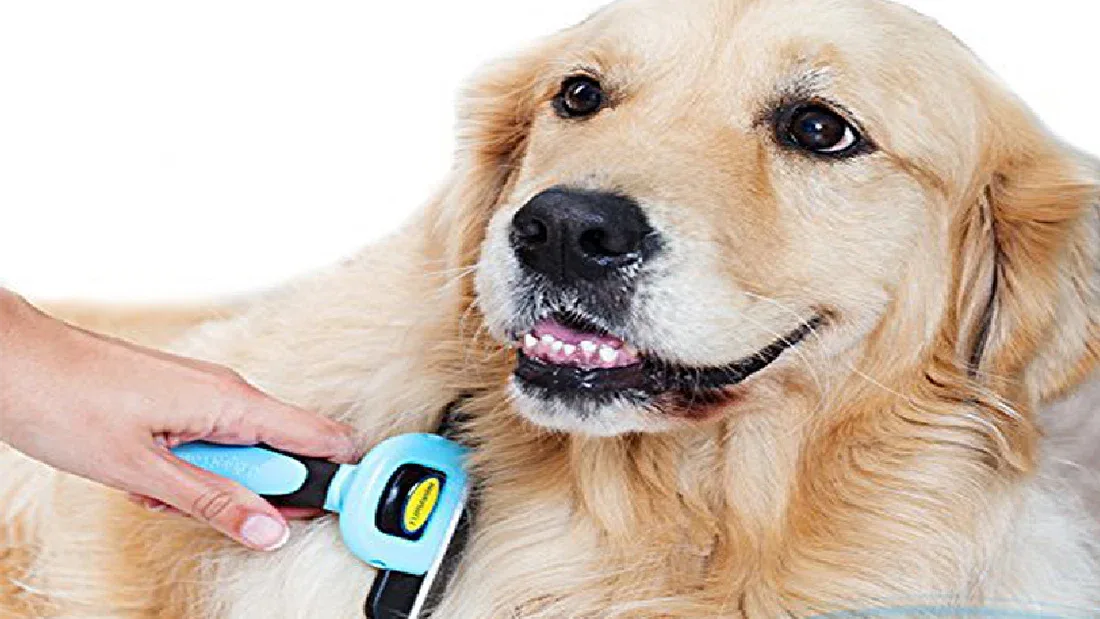
The short source describes professional uses for an Andis-style deshedding tool: removing dead undercoat on many coat types, smoothing soft fluffy patches on Golden-type coats, pulling pet terrier undercoat before clipping, de-poofing poodle or poodle-mix ears, and debulking woolier doodle coats after bathing, drying, brushing, and combing.

Keep your pet’s coat looking perfect with this Deshedding Comb Grooming Brush—grab one now! 🐱✨

dogs #dogowners #cats #catowners #catlover #doglover #pets.

  • Channel: Paw Mingle

Video source: Paw Mingle

Quick read

Key takeaways

  • Build the grooming routine around the jobs that most often cause discomfort or buildup, not around a perfect all-at-once schedule.
  • Use tools that are gentle enough to repeat regularly and simple enough to keep within reach.
  • When a basic home routine stops working, treat that as a clue to inspect the skin, coat, or nails more closely instead of cleaning harder.

Match the tool to the coat type before using pressure

A consistent pattern is that the tool excels on herding breeds, spaniels, setter-type coats, some cats, and fluffy Golden-type areas. Readers can learn to evaluate coat type first instead of assuming every shedding dog needs the same pass.

Use light pressure and watch the skin. A tool with polished teeth can still irritate skin if the groomer repeats strokes on one area or uses it over tangles, sores, or thin coat.

  • Identify dead undercoat before starting.
  • Use light, controlled strokes rather than scraping.
  • Avoid irritated skin, mats, wounds, or areas with too little coat.
How to Use a Deshedding Tool Without Damaging the Coat or Skin

Use deshedding as part of the grooming sequence

For woolier doodle mixes, the source describes using the tool as a final step after bathing, drying, brushing, and combing. That sequence matters because a deshedding tool is not a detangler and should not be forced through packed coat.

Client expectations: safe debulking can reduce future tangles, but it does not replace regular appointments or home brushing.

  • Bathe, dry, brush, and comb before final coat refinement.
  • Do not use the tool to rip through mats.
  • Explain that maintenance prevents the next groom from becoming a rescue job.
How to Use a Deshedding Tool Without Damaging the Coat or Skin
Sponsored

Target special areas with small, careful passes

They also show mistakes quickly if overworked.

Stopping points: quit when the coat lies smoother, when skin warmth or redness appears, or when no more dead coat releases easily.

  • Use short passes on ear fluff and soft patches.
  • Work with or against grain only when the coat tolerates it.
  • Stop before the area looks thin, hot, or irritated.
How to Use a Deshedding Tool Without Damaging the Coat or Skin

Protect coat texture on terriers and mixed coats

Not stripping every pet into a show routine.

For mixed coats, the safe message is to customize. A groomer should choose the tool, pressure, and frequency based on texture, mat risk, and owner maintenance, not just breed label.

  • Use on pet terriers to manage undercoat before clipping when appropriate.
  • Customize frequency for coat texture and mat history.
  • Recommend professional guidance before owners copy salon techniques at home.

FAQ

Frequently asked questions

Can a deshedding tool damage a dog’s skin?

Yes, if it is used with too much pressure, repeated in one spot, or dragged over mats or irritated skin. Light, coat-appropriate use is essential. For deshedding tool for dogs, the safer version is usually the one that leaves less cleanup and less stress afterward.

When should a deshedding tool be used in the groom?

For many coats it works best after bathing, drying, brushing, and combing, especially when it is used as a finishing or debulking step. On deshedding tool for dogs, that timing works best when you act before buildup becomes obvious.

Does deshedding replace regular brushing?

No. It removes dead coat efficiently, but regular brushing and scheduled grooming are still needed to prevent tangles and compacted coat. That keeps deshedding tool for dogs tied to a real home-care routine instead of guesswork.

Sponsored