Summer Dog Coat Care Without Shaving Too Short

Groomingdales guide

Summer Dog Coat Care Without Shaving Too Short

Explain how summer grooming should support coat function, skin protection, paw comfort, drying, and overheating prevention without defaulting to an unsafe shave-down.

Published July 7, 2026

As temperatures rise, many dog owners instinctively reach for the clippers, believing that a buzz cut is the safest way to keep their pets cool. However, shaving a dog’s coat too short often does more harm than good. For most breeds, the fur acts as a natural insulator, protecting the skin from UV rays and helping regulate body temperature by trapping a layer of cool air close to the body.

Effective summer grooming focuses on maintenance rather than reduction. The goal is to remove the barriers that cause overheating—such as matted fur, compacted dead undercoats, and trapped moisture—while preserving enough hair to shield the skin. A strategic approach involves tailored brushing, targeted trims in high-heat areas, and diligent paw and skin care, ensuring your dog stays comfortable without sacrificing their coat's protective functions.

Should I Shave Down My Dog's Coat In The Summer?

Will it keep my dog cooler in the summer to shave off his coat? Are there any possible problems that it can cause?

  • Channel: chaskat35

Video source: chaskat35

Quick read

Key takeaways

  • Build the grooming routine around the jobs that most often cause discomfort or buildup, not around a perfect all-at-once schedule.
  • Use tools that are gentle enough to repeat regularly and simple enough to keep within reach.
  • When a basic home routine stops working, treat that as a clue to inspect the skin, coat, or nails more closely instead of cleaning harder.

Before deciding on a haircut length, it is essential to understand how your dog’s specific coat type functions. Shaggy, double-coated breeds actually rely on their full winter coat to stay cool in summer; the guard hairs repel heat and sunlight, while the undercoat provides insulation. When this coat becomes matted or packed with dead hair, it loses its ability to breathe, turning into a thermal blanket that traps heat against the skin.

Instead of shaving the entire body, focus on restoring the coat’s natural airflow. A groomer or attentive owner should assess whether the issue is length, matting, or dead undercoat buildup. By removing these obstructions, you allow the remaining fur to perform its job effectively: regulating temperature and protecting the skin from sunburn and insect bites.

  • Identify your dog’s coat type (shedding, non-shedding, double-coated, or single-coated) to determine the right care strategy.
  • Thoroughly brush and comb through problem areas before considering any cutting, ensuring no mats are hiding beneath the surface.
  • Resist the urge to shave down to the skin, as this removes vital protection against sun exposure and temperature extremes.
Summer Dog Coat Care Without Shaving Too Short

Packed coats hold heat and moisture close to the skin, creating an environment ripe for discomfort and skin issues. Regular brushing alone often fails to reach the dense layers near the skin. Effective removal requires the right tools for your dog’s specific coat texture, followed by thorough combing to ensure no tangles remain.

For shedding dogs, deshedding tools help pull out loose undercoat that would otherwise mat together in the heat. For non-shedding breeds, the focus shifts to preventing tangles from tightening. Professional grooming sessions may be necessary to safely remove severe mats, as attempting to brush them out at home can cause pain and skin damage.

  • Select tools specifically designed for your dog’s coat type, such as undercoat rakes for double coats or slicker brushes for wiry coats.
  • Pay special attention to high-friction zones like behind the ears, the chest, the belly, and the leg feathering, where mats commonly form.
  • Schedule professional deshedding treatments if home brushing only addresses the surface layer, leaving dense undercoat intact.
Summer Dog Coat Care Without Shaving Too Short
Sponsored

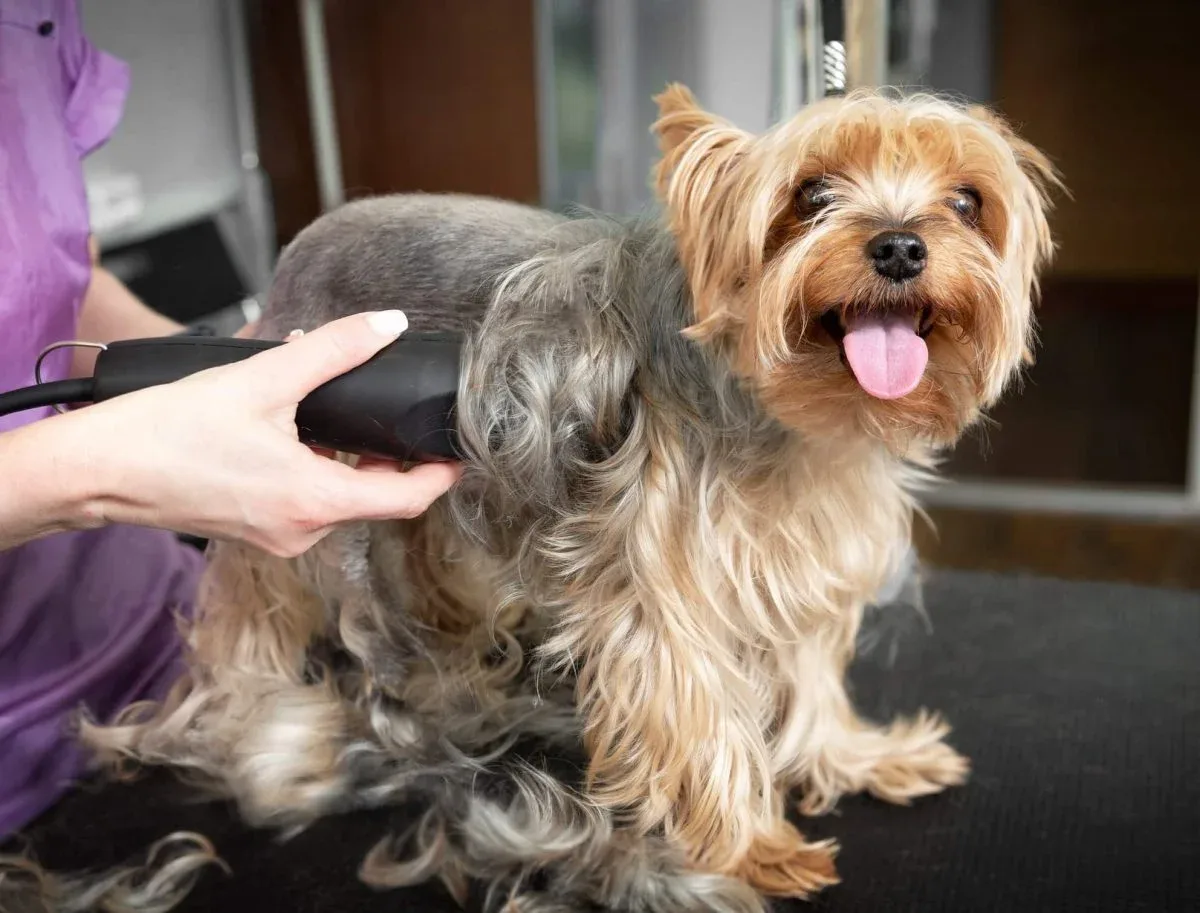
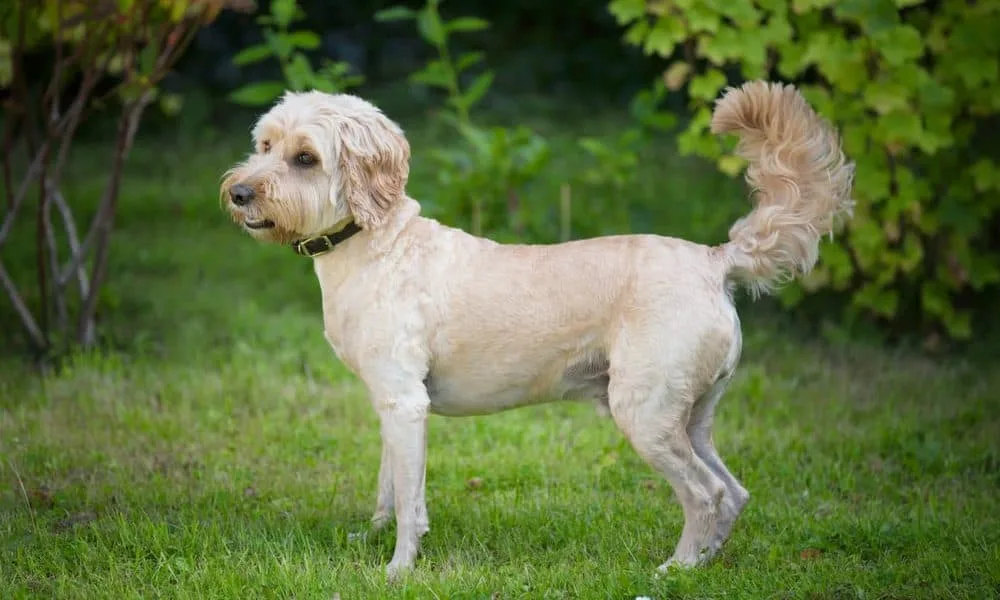
While shaving the whole body is risky, strategic trimming in specific areas can provide significant relief. A shorter belly clip is particularly beneficial, allowing dogs to lie directly on cool surfaces like tile or hardwood floors, which helps dissipate body heat efficiently. Similarly, tidying the paws and sanitary areas keeps the dog clean and reduces the risk of heat-related irritation.

The key distinction lies between maintaining protection and stripping it away. Keeping enough coat on the back, sides, and head ensures the skin remains shaded from UV rays. This balanced approach cools the dog without exposing sensitive skin to sunburn, which can be painful and increase health risks.

  • Consider a belly clip to facilitate cooling when your dog rests on cooler indoor surfaces.
  • Maintain sufficient coat length on sun-exposed areas to protect against UV damage and skin cancer risks.
  • Never attempt to cut out severe mats at home; pulling on matted skin can cause injury, and professional assistance is safer and more effective.
Summer Dog Coat Care Without Shaving Too Short

Summer activities often involve water, whether from baths, swims, or rain. Proper drying is crucial to prevent skin infections and discomfort. After washing or playing in water, towel dry thoroughly, then use a dryer on a cool or low-heat setting while brushing through the coat. This technique ensures that dampness does not linger against the skin, which can lead to hot spots and bacterial growth.

Paw care is equally important. Hot pavement can burn pads quickly, and moisture trapped between toes can cause irritation. Regularly check paws for debris, redness, or cracks. Adjusting walk times to early mornings or evenings protects paws from extreme heat and reduces overall heat stress.

  • Ensure complete drying of the belly, armpits, ears, and paw areas, not just the visible top coat.
  • Limit outdoor walks to cooler parts of the day to protect paws from hot surfaces and reduce overheating risk.
  • Consult a veterinarian promptly if you notice burned pads, limping, red moist skin, odor, or excessive scratching.

Grooming supports comfort, but it cannot entirely eliminate the risk of heatstroke, especially in breeds prone to overheating. Awareness of environmental conditions and your dog’s behavior is critical. Signs of heat stress include heavy panting, weakness, vomiting, collapse, bright red gums, or confusion. These are medical emergencies that require immediate attention.

Prevention involves providing constant access to shade and cool drinking water, both at home and on walks. If you suspect your dog is overheating, move them to a cool, shaded area or air-conditioned space immediately. Offering cool (not ice-cold) water and applying cool, wet towels to the body can help lower their temperature while you seek veterinary care.

  • Immediately move an overheated dog to a cool, shaded, or air-conditioned environment.
  • Offer small amounts of cool water and use cool, wet towels to assist in lowering body temperature.
  • Seek urgent veterinary advice if symptoms are severe, persistent, or if the dog shows signs of distress such as collapse or confusion.

FAQ

Frequently asked questions

Is it safe to shave my dog’s coat in the summer?

Shaving is generally not recommended for most breeds, as their coat provides insulation and protection from the sun. Instead, focus on regular brushing, deshedding, and removing mats to help their coat function properly. A professional groomer can recommend a safe trim, such as a belly clip, if necessary. That keeps summer dog coat care without shaving too short tied to a real home-care routine instead of guesswork.

How often should I brush my dog during hot weather?

Regular brushing is essential in summer. For many dogs, weekly brushing is the minimum, but heavy shedders or those with long coats may require brushing several times a week to remove loose hair and prevent matting. Increased frequency helps maintain airflow and keeps the coat healthy. On summer dog coat care without shaving too short, that timing works best when you act before buildup becomes obvious.

What tools are best for summer coat maintenance?

Essential tools include a slicker brush for surface tangles, an undercoat rake or deshedding tool for thick coats, and a metal comb to check for hidden mats. For drying, use absorbent towels and a dryer with a cool or low-heat setting to prevent skin damage while ensuring thorough drying. That keeps summer dog coat care without shaving too short tied to a real home-care routine instead of guesswork.

When should I take my dog to the vet for summer-related issues?

Contact a vet if you observe signs of heatstroke (excessive panting, vomiting, collapse), or if there are skin issues like raw, moist patches, bad odors, swelling, or persistent scratching that do not improve after cleaning and drying the coat. On summer dog coat care without shaving too short, that timing works best when you act before buildup becomes obvious.

Sponsored