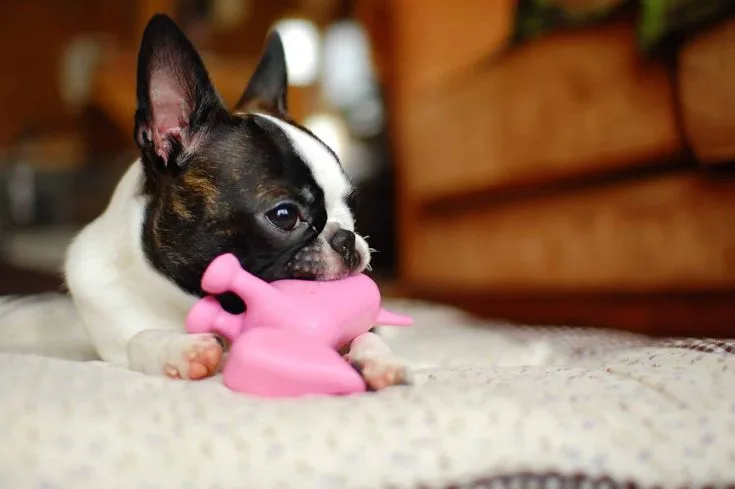
The New Puppy Checklist: Essential Gear, Toys & Services: What Dog Owners Should Check Before Trying It

Groomingdales guide

The New Puppy Checklist: Essential Gear, Toys & Services: What Dog Owners Should Check Before Trying It

Help visitors handle The New Puppy Checklist: Essential Gear, Toys & Services: What Dog Owners Should Check Before Trying It with a clear, practical checklist grounded in real examples.

Published July 3, 2026

Puppy Supplies List: Essentials, Gear, Services & More Skip to primary navigation

Tips, stories, and reviews for people who love dogs, powered by Rover. com, the world's largest network of 5-star pet sitters and dog walkers.

5 Puppy Essentials You Can’t Live Without!

In this video, I break down the Top 5 Dog Products you ACTUALLY need to raise, train, and enjoy life with your dog. Whether ...

  • Channel: American Standard Dog Training

Video source: American Standard Dog Training

Quick read

Key takeaways

  • Build the grooming routine around the jobs that most often cause discomfort or buildup, not around a perfect all-at-once schedule.
  • Use tools that are gentle enough to repeat regularly and simple enough to keep within reach.
  • When a basic home routine stops working, treat that as a clue to inspect the skin, coat, or nails more closely instead of cleaning harder.

The first check is simple: To guide you through the essentials, we've gathered insights from several experienced veterinarians and a force-free trainer.

That detail matters because it changes the timing, tools, budget, or risk level before the visitor commits to the next step. Read on to get the ultimate scoop and start ticking off those boxes.

A sensible stopping point is reached when the visitor can explain what to do next and what would make the plan unsafe, too expensive, or incomplete. It takes a village to raise and care for a new puppy. Enlisting trusted professionals will help you with your puppy's health and well-being. Here are some ideas for who to include in your pup team.

  • Confirm this point before moving on: To guide you through the essentials, we've gathered insights from several experienced veterinarians and a force-free trainer.
  • Write down the next action, the needed tool, and the time window.
  • Compare the advice against the visitor's budget, skill level, and risk tolerance.
  • Stop if the step depends on a missing fact or a shortcut that could cause harm.

The New Puppy Checklist: Essential Gear, Toys & Services: What Dog Owners Should Check Before Trying It

Before moving ahead, the visitor needs a clear picture of the real situation.

The practical work is to match that situation with the right tool, document, place, person, or time window. If this is your first time raising a puppy, it's not a bad idea to find a dog trainer, too. Even if your pup seems to be doing well, a trainer can help you understand their body language and keep both of you safe.

If the facts do not fit the visitor's case, the better move is to slow down, compare one more option, or ask for qualified help. Puppy classes can be a great way for your new friend to learn everything from basic obedience to how to interact with other dogs. Aryel Lafleur, a force-free trainer and spokesperson for Earth Rated, says that working with a qualified professional can also help prevent common challenges like excessive barking, leash pulling, and jumping on guests.

  • Identify the detail that would change the recommendation: It takes a village to raise and care for a new puppy.
  • Check whether a beginner would need a simpler version of the step.
  • Look for the cost, timing, privacy, safety, or quality limit before acting.
  • Keep a fallback option ready if the first plan does not fit.
The New Puppy Checklist: Essential Gear, Toys & Services: What Dog Owners Should Check Before Trying It
Sponsored

This part is easiest to get wrong when the visitor treats a general tip as a finished answer.

Use the specific details available here to narrow the choice instead of guessing from memory or habit. It's easy to forget your puppy can't go everywhere with you until that first impromptu weekend getaway. Since new puppies can't be left alone for long, you'll want an experienced sitter lined up. Consider a professional walker, too—they can ensure your pup gets the necessary exercise and potty breaks, even on the busiest days. This support is invaluable when the " puppy blues " hit and you're completely overwhelmed.

The final check is whether the step can be repeated cleanly without creating a safety, privacy, quality, or budget problem. Some dog breeds require regular professional grooming due to their coat types, such as long-haired or curly breeds. Others may benefit from services like nail trimming or ear cleaning, which groomers are trained to handle.

  • Use this detail as the anchor for the section: Puppy classes can be a great way for your new friend to learn everything from basic obedience to how to interact with other dogs.
  • Tie the advice to a specific tool, place, document, product, route, or ingredient.
  • Explain what changes when the visitor has less time, less money, or less experience.
  • Name the point where a professional, local authority, or better source is needed.
The New Puppy Checklist: Essential Gear, Toys & Services: What Dog Owners Should Check Before Trying It

A good routine starts with the constraint that is hardest to change.

From there, the visitor can compare the time, equipment, location, cost, and follow-up involved. When choosing a groomer, start by seeking recommendations from fellow pet parents to find trustworthy professionals. It's important to understand their qualifications: ask if they are licensed, what training they have completed, and their experience with various dog breeds. Fear-free certification is ideal.

When one of those pieces is missing, point to the safer alternative instead of pretending the choice is obvious. Dog licensing involves submitting an application and paying a fee to local authorities, typically at the city or county level. Licensing requirements vary by location, and failing to register can lead to fines or legal issues. Most states require dog guardians to obtain a license within a specific timeframe, usually 30 days.

  • Check the condition that makes the step safe and realistic: Some dog breeds require regular professional grooming due to their coat types, such as long-haired or curly breeds.
  • Separate a must-do action from a nice-to-have extra.
  • Avoid advice that only works in ideal conditions.
  • Finish with one practical next step the visitor can recognize immediately.

The useful question is not whether the idea sounds reasonable, but whether it works in this exact situation.

That means checking the small details that usually decide whether the result is smooth or frustrating. With sizes starting at 8. 5 inches, this lightweight and comfy collar is ideal for pups getting used to wearing gear.

The visitor should leave this step with a clear next action and a clear reason to stop if the conditions are not right. Let's be real. Teaching your puppy how to walk nicely on a leash isn't always, well, a walk in the park. Having quality gear, however, like a good leash, collar, and harness, can help!

  • Confirm this point before moving on: Dog licensing involves submitting an application and paying a fee to local authorities, typically at the city or county level.

The last pass should turn the advice into something the visitor can actually use the same day. Let's be real.

Keep the decision tied to observable details rather than broad claims or assumptions. Selecting the right leash is crucial for effective training and control, as different breeds come with their own sizes and energy levels. A lightweight leash is ideal for smaller breeds, while larger breeds require a strong, durable option.

Once the main risk, tool, timing, and follow-up are clear, the visitor can act with fewer surprises. A standard 6-foot nylon leash is perfect for most puppies in training, providing freedom for your pup to explore while keeping them close enough for guidance. For exercise, recall training, and sniffy walks, consider also investing in a good quality long line.

  • Identify the detail that would change the recommendation: Let's be real.

FAQ

Frequently asked questions

What should a new puppy owner prepare first?

Prepare the essentials before the puppy comes home: a correctly sized crate or pen, a comfortable collar or harness, a 6-foot leash, an ID tag, food and water bowls, puppy food, chew toys, waste bags, an enzymatic cleaner, and a booked first vet visit. For the new puppy checklist essential gear toys and services, the safer version is usually the one that leaves less cleanup and less stress afterward.

Which puppy supplies are worth buying right away?

Buy the items that make the first week safer and easier: containment, leash gear, food setup, cleanup supplies, a few safe chew toys, a soft brush, nail-trim basics, and grooming wipes. Skip duplicate toys, oversized beds, and specialty gadgets until you know the puppy’s size, chewing style, coat type, and routine. That keeps the new puppy checklist essential gear toys and services tied to a real home-care routine instead of guesswork.

When should you pause before adding more puppy services or gear?

Pause when the purchase depends on information you do not have yet, such as the puppy’s adult size, coat needs, vaccine schedule, anxiety level, or trainer and groomer recommendations. It is safer to book the vet visit first, ask about grooming timing, and then add services that match the dog rather than buying a full setup blindly. On the new puppy checklist essential gear toys and services, that timing works best when you act before buildup becomes obvious.

Sponsored