Trimming Around the Paw Pads: What Dog Owners Should Check Before Trying It

Groomingdales guide

Trimming Around the Paw Pads: What Dog Owners Should Check Before Trying It

Help visitors handle Trimming Around the Paw Pads: What Dog Owners Should Check Before Trying It with a clear, practical checklist grounded in real examples.

Published July 10, 2026

Long hair between your dog’s paw pads isn’t just a grooming aesthetic—it can actively compromise their comfort and mobility. When fur overgrows, it interferes with the natural grip of the pads, making it easy for dogs to slip and slide on hardwood or tile floors. Left unchecked, that same hair quickly traps dirt, debris, and moisture against sensitive skin, forming tight mats that pull uncomfortably close to the surface and can lead to irritation or infection. While some owners prefer to leave the area natural, even a well-maintained coat requires regular checks to prevent tangles. Proper trimming keeps paws functional, comfortable, and professionally finished.

Ever wondered how to trim paw pads? đź‘€

Check out how the Nova Clipper handles it with flexibility! Cr:@MackenzieDogGroomer #fuzzyfix #grooming #puppy #groomerlife ...

  • Channel: fuzzyfix_offical

Video source: fuzzyfix_offical

Quick read

Key takeaways

  • Build the grooming routine around the jobs that most often cause discomfort or buildup, not around a perfect all-at-once schedule.
  • Use tools that are gentle enough to repeat regularly and simple enough to keep within reach.
  • When a basic home routine stops working, treat that as a clue to inspect the skin, coat, or nails more closely instead of cleaning harder.

The health of your dog’s paws goes far beyond appearance. When fur overgrows between the pads, it interferes with natural grip, making it easy for dogs to slip and slide on smooth surfaces. More importantly, untrimmed hair traps dirt, debris, and moisture against the skin. Over time, this creates hard tangles that pull uncomfortably close to the surface and can lead to redness, irritation, or infection. Keeping this area neatly trimmed isn’t just about looking polished—it’s a practical step for your dog’s daily mobility and skin health.

By understanding how overgrown fur impacts traction and comfort, you’ll shift from vague grooming habits to a clear, purposeful routine. Regular maintenance prevents the painful buildup that turns a quick trim into a stressful ordeal later on.

  • Assess whether your dog’s breed or lifestyle actually requires this level of detail, as some owners prefer to leave the fur intact.
  • Verify that the paws are completely clean and dry before clipping, since damp or dirty fur dulls blades and increases cutting resistance.
  • Confirm your dog is comfortable having their paws handled, as sudden movement or anxiety can make precise work unsafe.
Trimming Around the Paw Pads: What Dog Owners Should Check Before Trying It

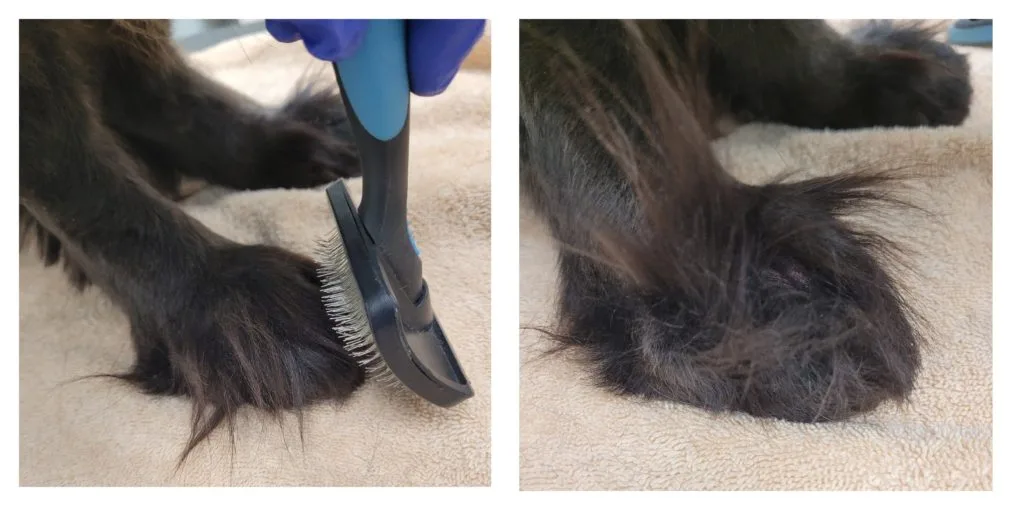
Before running any blade through the foot, take a moment to thoroughly comb out the area. You need to feel for hidden mats that sit flush against the skin, which are often missed until they’ve already caused discomfort. If you find severe tangling, work carefully to loosen them with a slicker brush or dematting tool rather than forcing clippers through. Checking the skin underneath is equally important; if it appears red, swollen, or broken, pause the grooming session and consult a veterinarian before proceeding.

Narrow your focus to the specific condition of each paw. Some areas may need a light tidy-up, while others require careful detangling or professional attention.

  • Run a fine-toothed comb through the fur all the way to the skin to expose any hidden knots or debris.
  • Look closely at the skin tone and texture for signs of abrasion, infection, or allergic reactions.
  • Keep a second pair of hands available to gently restrain and soothe the dog during the inspection phase.
Trimming Around the Paw Pads: What Dog Owners Should Check Before Trying It
Sponsored

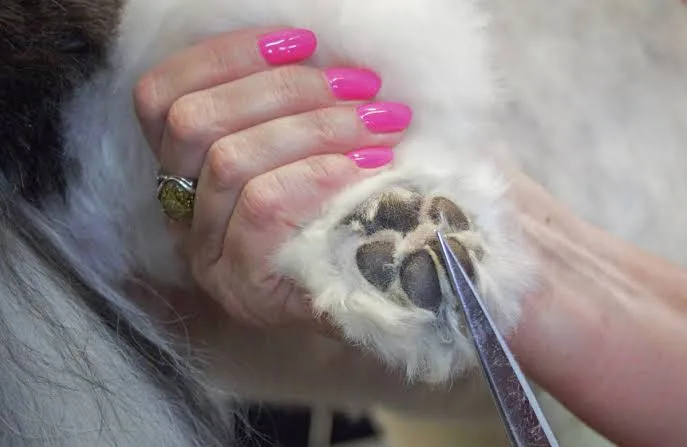
Scissors might seem like the obvious choice for detailed work, but they carry a higher risk of accidental nicks when maneuvering around sensitive pad contours. A dedicated pet trimmer equipped with a 5-in-1 blade offers the precision, compact size, and controlled power needed for this delicate zone. These blades glide smoothly without pulling, and the interchangeable guards let you adjust length based on how thick the hair is. You can also safely use the same trimmer to tidy the hair growing along the outer edges of the toes, creating a clean, rounded perimeter.

This approach transforms a potentially stressful task into a predictable, repeatable routine that respects both your dog’s comfort and your own skill level.

  • Opt for a quiet, low-vibration trimmer to keep your dog from associating the process with stress or pain.
  • Start with a longer guard setting and gradually move closer to the skin only if necessary and safe.
  • Angle the blade flat against the foot to follow the natural shape of the pads rather than lifting it upward.
Trimming Around the Paw Pads: What Dog Owners Should Check Before Trying It

Paw trimming shouldn’t be rushed. Dogs have limited patience for standing still, and pushing through agitation increases the chance of slips or cuts. Work in short, focused bursts—trim one paw, offer a treat, and check in before moving to the next. If the skin becomes pink or slightly irritated after removing stubborn tangles, apply a pet-safe soothing spray or balm to calm the area. Recognizing your own skill limits is just as important; if the mats are deeply rooted or your dog is highly reactive, professional groomers have the experience and equipment to handle it safely.

Establishing clear boundaries around time, tool usage, and stress signals ensures the process stays productive rather than punitive.

  • Set a clear time limit per paw to prevent fatigue for both you and your dog.
  • Keep cooling sprays or aloe-based pet balms nearby to address minor friction or heat buildup.
  • Step back immediately if the dog shows signs of distress, such as trembling, growling, or trying to pull away.

Many DIY grooming issues stem from skipping foundational steps or using the wrong approach for the situation. Clipping through damp or muddy fur doesn’t just damage expensive blades—it causes the hair to clump and tear rather than cut cleanly. Similarly, assuming that “shorter is better” can easily lead to nicking the delicate pad tissue or removing too much protective cushioning. Ignoring early warning signs like dragging paws, excessive licking, or foul odors means missing underlying problems that trimming alone won’t fix. Staying methodical and observant prevents these pitfalls.

Watch for small signals that indicate whether your technique is working or causing unnecessary strain on your dog’s paws.

A successful paw trim ends with a careful walkthrough to ensure everything is secure and comfortable. Gently flex each toe to confirm the hair has been cleared from between the pads and that the dog can walk naturally without slipping. Wipe away any loose clippings that might cling to the fur or cause itching. When done correctly, this routine leaves your dog’s paws functional, tidy, and ready for the next adventure. Consistent maintenance every few weeks will keep the area manageable and prevent the heavy buildup that makes future trims stressful.

Tie the entire process to visible, immediate results rather than abstract grooming standards.

  • Test traction by having your dog walk across a smooth surface to ensure they’re stable and confident.
  • Brush away remaining loose hair to prevent it from matting back into the trimmed area later.
  • Reward calm behavior to build positive associations for your next grooming session.

FAQ

Frequently asked questions

How often should I trim between my dog’s paw pads?

Most dogs benefit from a quick check and light trim every two to four weeks, depending on their coat type and activity level. Longer-haired breeds may need it more frequently to prevent mats, while short-haired dogs might only require trimming when you notice hair interfering with grip. On Trimming Around the Paw Pads: What Dog Owners Should Check Before Trying It, that timing works best when you act before buildup becomes obvious.

Is it safe to use scissors to trim paw pad hair?

While round-tipped grooming scissors can be used by experienced handlers, trimmers with guarded blades are generally safer and more efficient for most owners. Scissors require steady hands and precise angles, making accidental nicks more likely, especially if your dog moves suddenly. That keeps Trimming Around the Paw Pads: What Dog Owners Should Check Before Trying It tied to a real home-care routine instead of guesswork.

What should I do if I accidentally nick the skin or find irritated pads?

Stop immediately and apply gentle pressure with a styptic powder or cornstarch to stop any bleeding. Clean the area with a mild antiseptic, apply a vet-approved soothing balm, and monitor for signs of infection. If redness, swelling, or pain persists, contact your veterinarian before attempting further grooming. For Trimming Around the Paw Pads: What Dog Owners Should Check Before Trying It, the safer version is usually the one that leaves less cleanup and less stress afterward.

Sponsored