What Is a Double Coat, and What Dog Breeds Are Double-Coated?

Groomingdales guide

What Is a Double Coat, and What Dog Breeds Are Double-Coated?

Explore What Is a Double Coat, and What Dog Breeds Are Double-Coated? through the specific situations and details in the selected article.

Published July 23, 2026

Dogs boast a fascinating variety of coats, ranging from sleek and single-layered to fluffy and multi-textured. But when you hear the term "double coat," what does it actually mean for your dog’s health and grooming needs?

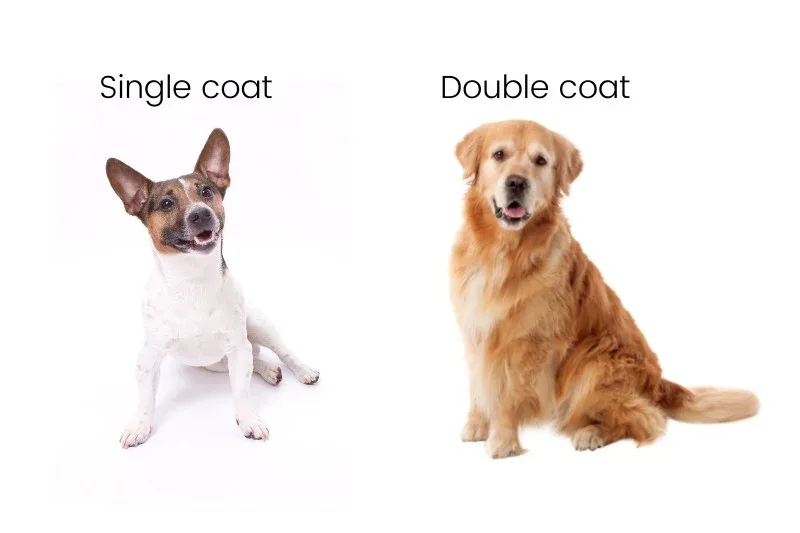
A double coat consists of two distinct layers working in tandem. The outer layer, known as the topcoat or guard hairs, features longer, coarser strands that repel water and dirt. Beneath this protective shield lies the undercoat—a dense, soft, and often woolly layer of secondary hairs that provides crucial insulation.

Dog Coat Types and How to Care for Them

In this comprehensive video, we delve into the world of dog coats, exploring various types available and providing valuable ...

  • Channel: Amazing Dogs

Video source: Amazing Dogs

Quick read

Key takeaways

  • Build the grooming routine around the jobs that most often cause discomfort or buildup, not around a perfect all-at-once schedule.
  • Use tools that are gentle enough to repeat regularly and simple enough to keep within reach.
  • When a basic home routine stops working, treat that as a clue to inspect the skin, coat, or nails more closely instead of cleaning harder.

These two layers serve vital functional purposes beyond just looking good. In colder months, the undercoat traps body heat to keep your dog warm. Conversely, during spring and summer, that same dense undercoat acts as an insulator against external heat, trapping cool air near the skin to prevent overheating.

The ratio of topcoat to undercoat can vary significantly between breeds. A denser undercoat often gives dogs a fluffy, cottony appearance, but it also means more shedding. During seasonal changes, particularly spring and fall, double-coated breeds shed heavily to adjust their insulation levels, requiring consistent brushing to manage loose fur and prevent mats.
What Is a Double Coat, and What Dog Breeds Are Double-Coated?

Certified master groomer Jennifer Bishop-Jenkins identifies four main variations of double coats: short, medium, long, and triple (or Arctic). The specific type depends largely on the breed’s historical function.

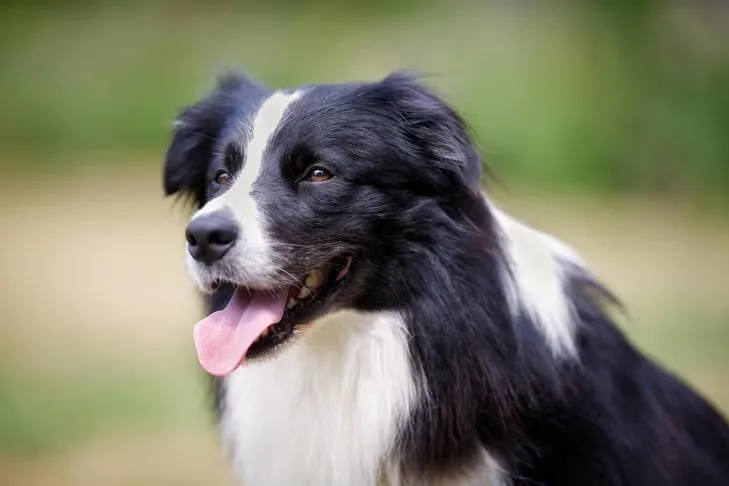
Medium double coats are common in herding breeds like Border Collies and Australian Shepherds. These dogs require weekly brushing to remove loose fur and prevent tangles. Trimming excess hair around the feet, hocks, and pasterns can also help maintain hygiene and comfort.

Triple coats, found in Arctic breeds like the Samoyed, Alaskan Malamute, and American Eskimo Dog, are exceptionally thick. They feature a dense, oily undercoat designed for survival in extreme cold. Grooming these coats requires patience; simply combing dry hair can cause breakage. Instead, use a high-velocity dryer after bathing and line-combing to fully separate and dry the layers.

What Is a Double Coat, and What Dog Breeds Are Double-Coated?
Sponsored

A common misconception is that shaving a double-coated dog will help them stay cool in the summer. In reality, shaving removes both the protective topcoat and the insulating undercoat. Because these layers grow at different rates, shaving can lead to "coat funk" or alopecia, where the undercoat grows back faster and denser than the topcoat, leaving the dog with a patchy, uneven coat.

"Shaving doesn't do anything to cool dogs off because a dog's cooling system is different than ours," explains Teri Becker DiMarino, President of the California Professional Pet Groomers Association. Dogs regulate temperature primarily through panting and sweat glands in their paw pads, not by exposing their skin to air.

Furthermore, removing the topcoat leaves the skin vulnerable to sunburn and insect bites, while eliminating the undercoat removes the natural barrier against heat and cold. There are only two acceptable reasons to shave a double-coated dog: prior to surgery or as a last resort for severely matted coats that cannot be brushed out.

What Is a Double Coat, and What Dog Breeds Are Double-Coated?

If a double coat becomes neglected and tangled, a careful, step-by-step approach is essential. Bishop-Jenkins recommends wetting the dog and applying a thick, creamy conditioner to the matted areas. Allow the solution to soak for about an hour to loosen the knots gently.

After soaking, use a line-combing technique. This involves parting the hair into small sections and combing upwards from the skin, working forward line by line. This method lifts and removes loose hair without pulling painfully on the skin.

Always use grooming tools that fit your hand comfortably to ensure precision and safety. Regular maintenance prevents severe matting, making grooming sessions quicker and less stressful for both you and your pet.

Since you shouldn’t shave your double-coated dog to keep them cool, focus on other cooling strategies. Provide access to shade and plenty of fresh water during hot days.

Consider using cooling accessories such as dog cooling vests, bandanas, or mats. These items help lower body temperature safely without interfering with the dog’s natural insulation system.

Regular brushing is key to heat management. Removing dead undercoat allows for better air circulation against the skin, helping your dog stay cooler naturally.

FAQ

Frequently asked questions

What is the easiest way to handle a double-coated dog's shedding?

Start with regular, consistent brushing using the right tools for your dog's coat type. Use an undercoat rake or deshedding tool once or twice a week to remove loose hair before it accumulates. This simple routine makes a significant difference in managing shedding and keeping your home cleaner. That keeps what is a double coat and what dog breeds are double coated tied to a real home-care routine instead of guesswork.

What usually makes grooming a double coat harder than it needs to be?

Most owners struggle by skipping regular maintenance until mats form, or by trying to brush dry, tangled hair aggressively. This leads to pain for the dog and damaged tools. Wetting the coat with conditioner and using gentle, line-combing techniques can turn a difficult task into a manageable one. That keeps what is a double coat and what dog breeds are double coated tied to a real home-care routine instead of guesswork.

How do you keep a double coat healthy over time?

Maintain a consistent grooming schedule tailored to your dog's breed and season. Avoid shaving unless medically necessary, and always prioritize brushing to remove dead undercoat. Pair regular grooming with a balanced diet to support healthy skin and coat growth. For what is a double coat and what dog breeds are double coated, shorter calmer sessions usually hold up better than trying to do everything at once.

Sponsored