What Is a Double-Coated Dog? Coat Types, Grooming, and Care

Groomingdales guide

What Is a Double-Coated Dog? Coat Types, Grooming, and Care

Help dog owners identify a double coat and choose safe brushing, bathing, drying, trimming, and seasonal shedding care.

Published September 18, 2026

From long and curly coats to short and hairless varieties, dogs come in a wide range of coat types. Double-coated dogs have two layers of fur that work together to protect the skin, regulate temperature, and shield the dog from the elements. Understanding how these coats work can help you groom your dog properly and avoid mistakes that damage the coat.

AKC is a participant in affiliate advertising programs designed to provide a means for sites to earn advertising fees by advertising and linking to akc. org. If you purchase a product through this article, we may receive a portion of the sale.

Finishing Made Easy | How to Shape, Trim & Outline a Double-Coated Dog

Free Double Coated Dog Grooming Masterclass: Stop Guessing the Finish! In Part 2 of my Double-Coat Grooming Masterclass, I'll ...

  • Channel: Go Groomer

Video source: Go Groomer

Quick read

Key takeaways

  • Build the grooming routine around the jobs that most often cause discomfort or buildup, not around a perfect all-at-once schedule.
  • Use tools that are gentle enough to repeat regularly and simple enough to keep within reach.
  • When a basic home routine stops working, treat that as a clue to inspect the skin, coat, or nails more closely instead of cleaning harder.

Each layer serves an important purpose. The topcoat helps repel dirt and water while protecting the skin from the environment. The undercoat provides insulation during colder months by trapping warmth close to the body. In warmer weather, it helps regulate temperature by trapping cooler air near the skin.

The two layers differ in both in structure and growth patterns. Topcoat hairs are strong and durable, and dogs typically shed them less frequently. The softer undercoat sheds more often, especially during seasonal coat changes. The topcoat also contributes much of a dog’s visible color, while the undercoat can vary in density, length, and growth rate.
What Is a Double-Coated Dog? Coat Types, Grooming, and Care

A dog may have more undercoat than topcoat or more topcoat than undercoat. Some breeds have a denser undercoat than topcoat, giving them a plush or fluffy appearance. While many people are drawn to the look of these coats, thicker undercoats also require more maintenance during shedding seasons.

According to certified master groomer Jennifer Bishop-Jenkins, double coats generally fall into four categories: short, medium, long, and triple (or arctic). Coat type often reflects the work a breed was originally bred to do, which shapes how much grooming it needs.

Breeds with short double coats include the Labrador Retriever, Greater Swiss Mountain Dog, Cardigan Welsh Corgi, and Pembroke Welsh Corgi.

What Is a Double-Coated Dog? Coat Types, Grooming, and Care
Sponsored

These dogs have dense outer coats that help protect them from weather, dense brush, and other environmental challenges they may encounter while hunting or herding. Their coats typically don’t require trimming, but weekly brushing helps remove loose undercoat hairs and manage shedding.

Medium double coats are common among herding breeds such as the Border Collie and Australian Shepherd.

These coats benefit from weekly brushing to prevent matting and remove loose fur. Depending on the breed standard, some owners may choose to trim excess hair around the feet, hocks (the joint partway up the hind leg, similar to an ankle), and pasterns (the lower part of the leg just above the paw).

What Is a Double-Coated Dog? Coat Types, Grooming, and Care

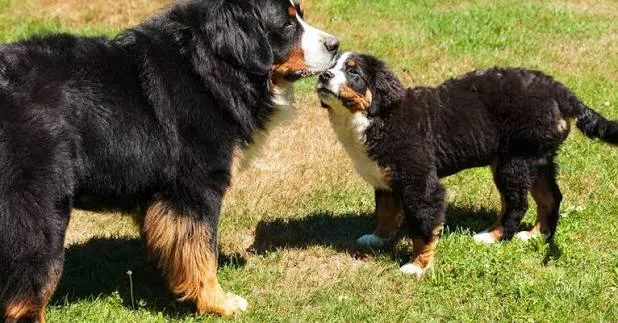
Working breeds like the Newfoundland, Bernese Mountain Dog, Great Pyrenees, and Saint Bernard have long double coats consisting of a flat, water-resistant topcoat and a thick undercoat.

These breeds may require trimming in areas such as the chest, ears, undercarriage, backs of the legs, and tail, as specified by their breed standards.

Triple-coated, or arctic-coated, breeds have some of the thickest coats of any dogs. Examples include the Pomeranian, Samoyed, American Eskimo Dog, and Alaskan Malamute.

According to Bishop-Jenkins, these breeds historically relied on an especially dense undercoat to survive in extremely cold climates. Their coats are thick, oily, woolly, and heavily insulated.

Because these coats are so dense, standard combing alone may be ineffective and can damage the hair. After bathing and brushing, groomers often use a high-velocity dog dryer and line-combing techniques to remove loose undercoat. Line combing involves working through the coat section by section, lifting away loose hair while minimizing stress on the coat.

Although this process can be time-consuming, it’s one of the gentlest and most effective ways to maintain a thick arctic coat. Bishop-Jenkins also notes that you shouldn’t dry these coats all the way to the skin.

FAQ

Frequently asked questions

How often should a double-coated dog be brushed?

Most double coats benefit from weekly brushing, with more frequent sessions during seasonal shedding or when the undercoat begins to pack together. On what is a double coated dog coat types grooming and care, that timing works best when you act before buildup becomes obvious.

Should a double-coated dog be shaved?

Routine shaving can damage the coat’s protective function. Trim only the areas appropriate for the breed and ask a professional groomer before removing substantial coat. For what is a double coated dog coat types grooming and care, the safer version is usually the one that leaves less cleanup and less stress afterward.

How should a dense double coat be dried after a bath?

Blot excess water, use a high-velocity dog dryer carefully, and work through the coat in sections. Stop if the skin becomes irritated or the dog is distressed, and ask a veterinarian about persistent redness, sores, odor, or sudden coat loss. For what is a double coated dog coat types grooming and care, the safer version is usually the one that leaves less cleanup and less stress afterward.

Sponsored