What to Do When Your Dog Gets Sprayed by a Skunk Before the Smell Sets In

Groomingdales guide

What to Do When Your Dog Gets Sprayed by a Skunk Before the Smell Sets In

Help owners respond to skunk spray quickly, clean the coat without making the smell spread further, and recognize the signs that need a vet instead of another bath.

Published June 8, 2026

A skunk spray mess gets worse fast once the dog starts rubbing on carpets, furniture, or its own chest. The smell is oily, sticky, and good at spreading, which is why the first few minutes matter more than the fourth internet remedy you read half an hour later.

The useful goal is simple: contain the dog, protect the eyes and face, wash with a plan that actually targets odor, and stop treating the problem like a routine shampoo job if the dog starts showing irritation or illness.

This guide keeps the focus on practical cleanup, what not to do, and the signs that mean the next step should be the vet rather than one more round in the tub.

What To Do When Your Dog Is Sprayed by a Skunk | Chewtorials

In this Chewtorial we'll be coveringwhat to do when your dogissprayed by a skunk. The curious nature of our doggos can ...

  • Channel: Chewy

Video source: Chewy

Quick read

Key takeaways

  • Build the grooming routine around the jobs that most often cause discomfort or buildup, not around a perfect all-at-once schedule.
  • Use tools that are gentle enough to repeat regularly and simple enough to keep within reach.
  • When a basic home routine stops working, treat that as a clue to inspect the skin, coat, or nails more closely instead of cleaning harder.

Contain the mess before you start scrubbing

Owners often lose the first round by letting the dog run indoors or roll on soft surfaces. Once that happens, the smell spreads farther and the oily spray becomes a whole-house problem instead of a coat problem.

A calmer start helps. Keep the dog outside or in one wash-ready area, use old towels you can isolate afterward, and avoid touching every part of the coat before you know where the spray landed most heavily.

This is also the moment to remove collars, harnesses, or bandanas that picked up the odor, because those items can re-contaminate the coat after the bath if they sit unchanged.
What to Do When Your Dog Gets Sprayed by a Skunk Before the Smell Sets In

Check the face and eyes before you focus on odor

A body-only spray is unpleasant but usually manageable at home. A face hit is different. If the eyes are squinting, watering hard, or the dog is pawing at the face, you need to treat irritation as the first issue.

The smell can wait a few minutes if the dog needs gentle eye flushing or veterinary advice. What matters most is whether the skunk spray reached sensitive tissue.

This is why a fast inspection beats blind panic. You need to know whether you are handling a grooming cleanup, a mild irritation problem, or something that needs medical help sooner.

What to Do When Your Dog Gets Sprayed by a Skunk Before the Smell Sets In
Sponsored

Wash for odor removal, not for a normal fresh-coat finish

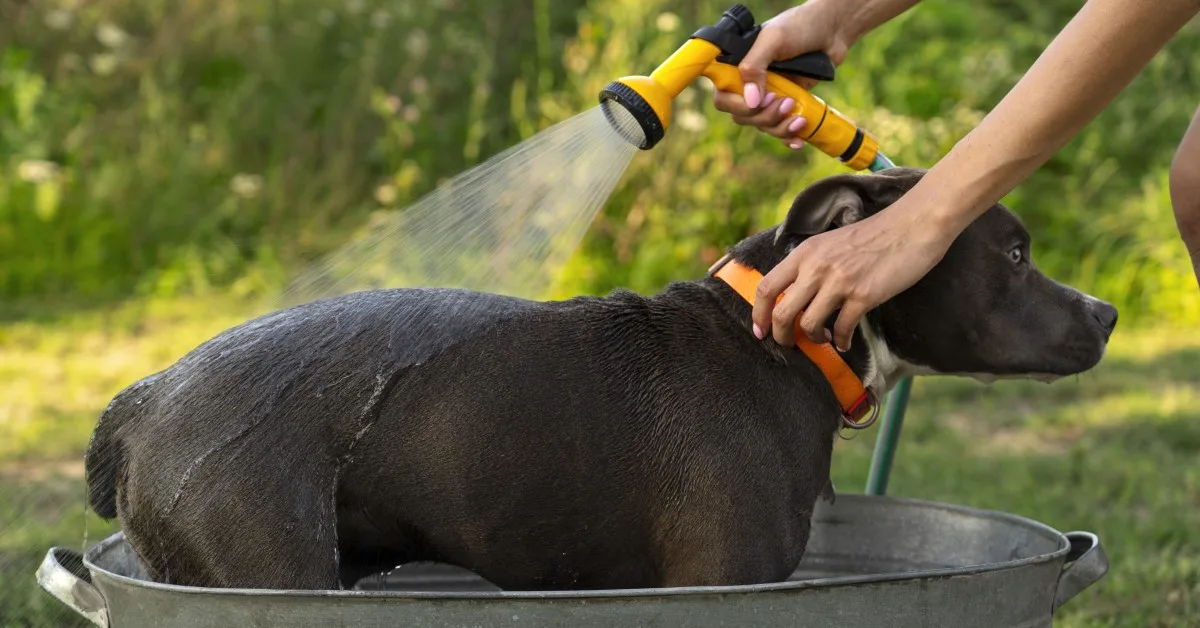
Skunk spray does not behave like muddy bath dirt. It is oily and stubborn, which is why a regular nice-smelling shampoo often leaves owners disappointed. The coat needs a wash plan that actually lifts and neutralizes odor instead of trying to perfume over it.

means working methodically through the affected areas, rinsing thoroughly, and expecting that one pass may improve the coat more than it completely erases every trace of smell.

If you use a home mixture or a commercial odor remover, keep the dog's skin tolerance in mind and rinse well. The goal is a cleaner, safer coat, not a harsh chemistry experiment.

What to Do When Your Dog Gets Sprayed by a Skunk Before the Smell Sets In

Know when the problem has moved beyond grooming cleanup

Most skunk spray events are mainly about odor and irritation, but some dogs need more than bath support. Eye pain, repeated vomiting, lethargy, or signs that the dog licked or swallowed spray should change your response.

Even after a decent bath, keep an eye on the dog for the next day or two. Lingering smell is frustrating, but it is less important than changes in comfort, appetite, or energy.

If the dog seems medically off, stop chasing a perfect deodorizing result and get professional help. A better-smelling coat is not the priority at that point.

FAQ

Frequently asked questions

Should I bathe my dog right away after skunk spray?

Yes, but with a plan. Contain the dog first, check the face and eyes, and use an odor-focused wash routine instead of a casual regular bath. For what to do when your dog gets sprayed by a skunk before the smell sets in, the safer version is usually the one that leaves less cleanup and less stress afterward.

Will normal dog shampoo remove skunk smell by itself?

Usually not very well. Regular shampoo can help clean the coat, but skunk spray often needs a product or formula that is meant to handle odor instead of only cleaning dirt. That keeps what to do when your dog gets sprayed by a skunk before the smell sets in tied to a real home-care routine instead of guesswork.

When should I call the vet after skunk spray?

Call if the dog was sprayed in the eyes, keeps pawing at the face, vomits, seems weak, or looks generally unwell after the encounter. On what to do when your dog gets sprayed by a skunk before the smell sets in, that timing works best when you act before buildup becomes obvious.

Why does the smell seem to come back after the bath?

Because skunk spray is oily and can stay in the coat, on gear, or on fabrics the dog touched. A good rinse and cleanup of collars, towels, and bedding help prevent the smell from cycling back. On what to do when your dog gets sprayed by a skunk before the smell sets in, start by checking the routine before assuming the problem came out of nowhere.