Are Grooming Restraints Safe for Dogs?

Groomingdales guide

Are Grooming Restraints Safe for Dogs?

Help owners understand when grooming restraints are routine safety tools, when extra restriction starts adding risk, and what to ask a groomer before leaving a nervous dog on the table.

Published June 1, 2026

Short answer

Most grooming tables use some form of restraint, so the real question is not whether a dog is attached at all. The useful question is how much restriction is being used, why it is needed, and whether the setup still allows the groomer to respond to a scared or struggling dog safely.

Owners usually run into trouble when they assume every restraint is equally harmless. A simple safety loop used with close supervision is one thing. Layering on extra loops, belly support bands, or other force-the-dog-to-stay-put tools can become a very different conversation, especially for dogs that panic, freeze, twist, or try to sit down because they are stressed or uncomfortable.

is why the best screening step happens before the appointment. Ask how the salon handles fearful dogs, whether someone helps hold them when needed, what happens if the dog tries to sit or turn, and how the groomer decides when to pause instead of pushing through.

Proper Pet Restraint

Today I'll be teaching you different ways to, correctly, restrain yourpet. If you've ever had difficulty restraining yourpetfor nail trims ...

  • Channel: PetTalkWithMomo

Video source: PetTalkWithMomo

Separate a basic safety loop from higher-restraint setups

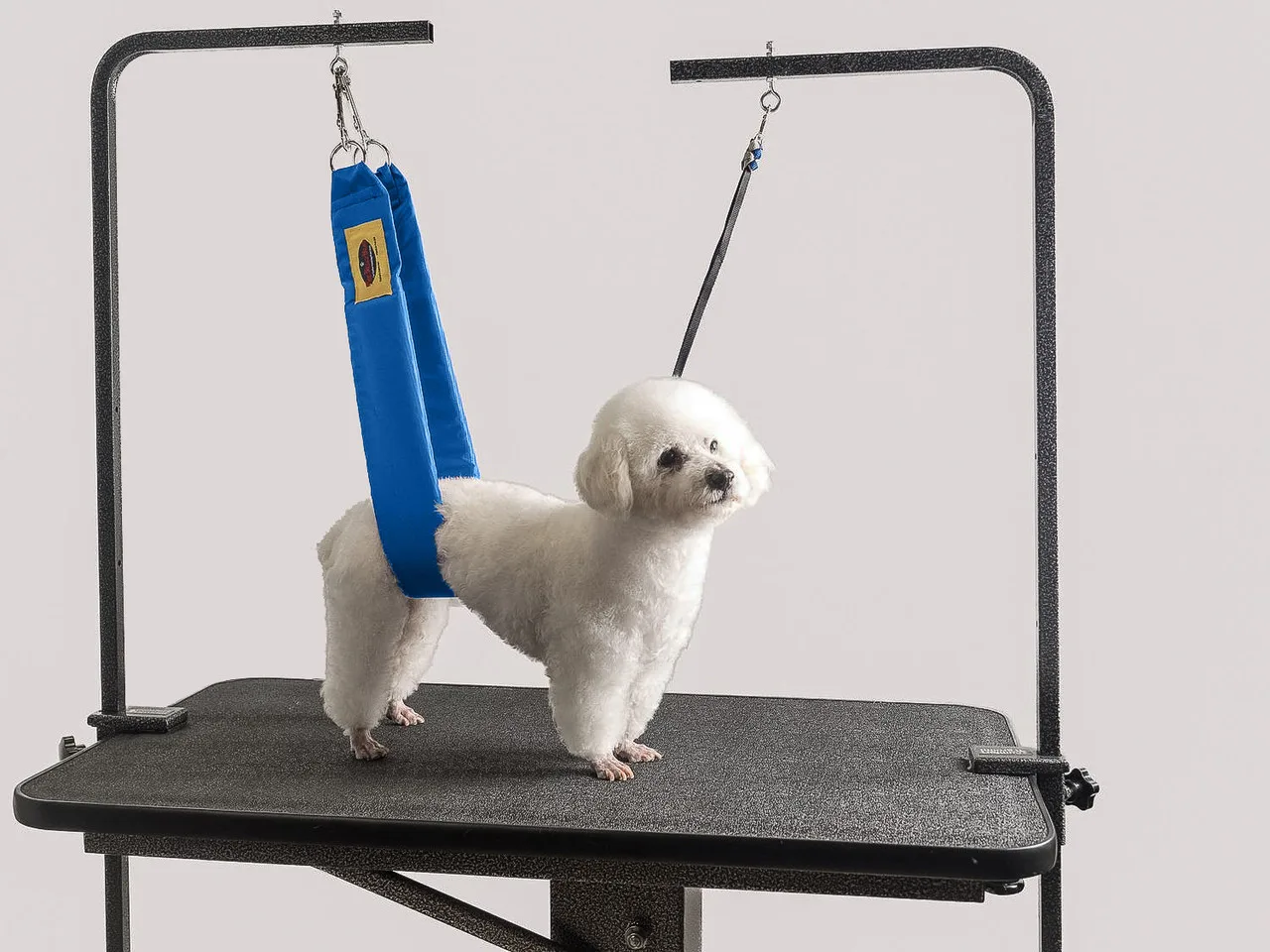
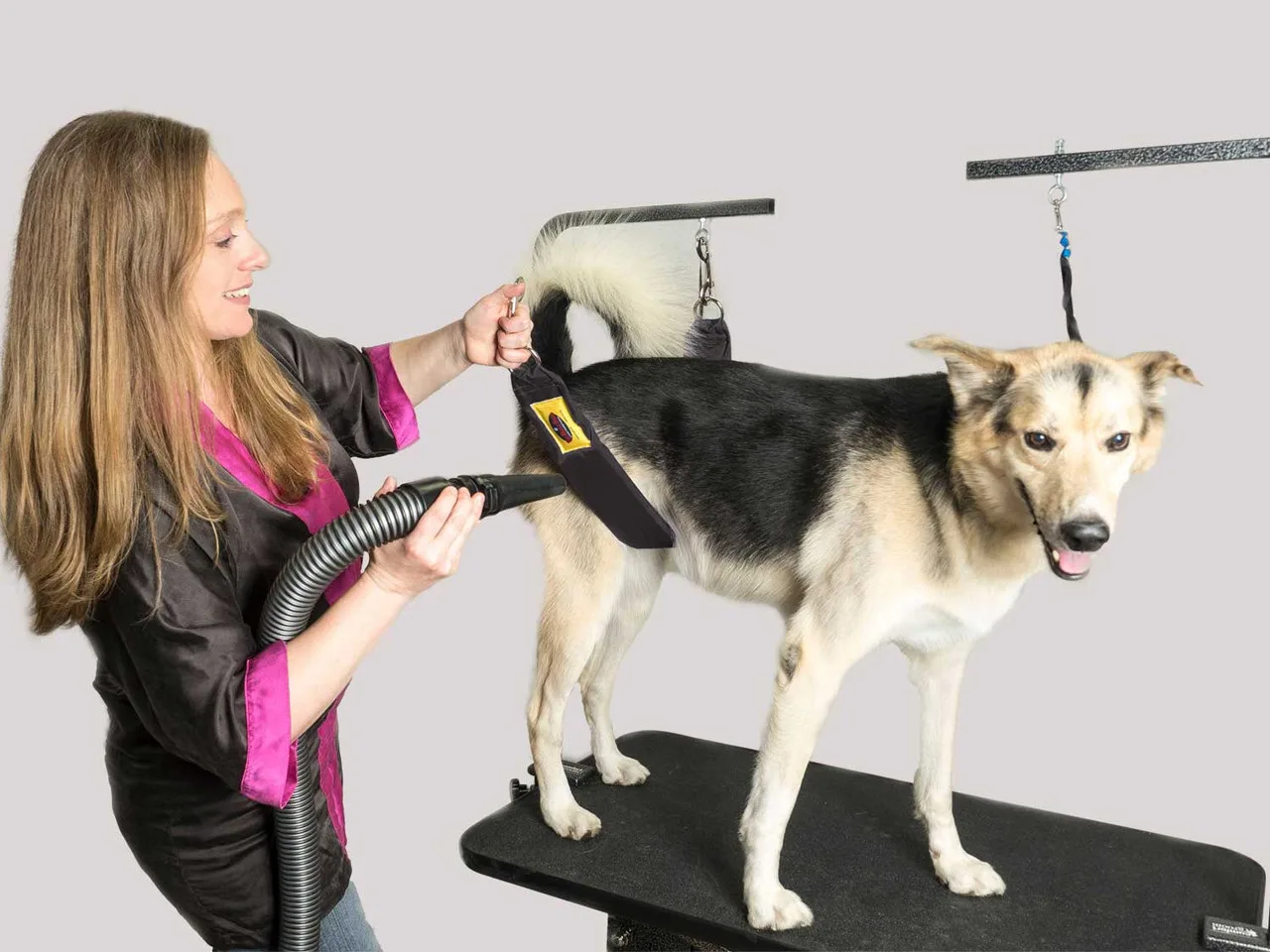
Most owners should expect a normal grooming loop or harness-style safety support on the table. That baseline is meant to prevent a step-off or jump while the groomer works. It is not automatically a red flag.

The conversation changes when the dog is held with multiple restrictive points, the head is kept from turning naturally, or the body is forced to stay upright instead of being supported by handling and breaks. Those setups can turn a struggling dog into a leverage problem instead of a grooming client.

A good salon should be able to explain the difference clearly. If the answer is vague or defensive, that is useful information before you hand over the leash.

  • Ask what the salon uses for routine table safety.
  • Ask when extra restraint would be added and why.
  • Be cautious if the explanation focuses only on speed or control.
Are Grooming Restraints Safe for Dogs?

Pay attention to how your dog responds to stress during grooming

Scared dogs do not all react the same way. Some fight the process, some try to bolt, some shut down, and some keep licking or appeasing because they want the pressure to stop. The handling plan has to fit that response, not ignore it.

When a dog keeps twisting, flattening, or trying to sit, the answer may be pain, fatigue, fear, or simple overload. More restraint can stop the movement for a moment without solving the reason behind it. That is where risk starts climbing.

Owners do not need to diagnose the whole behavior pattern themselves, but they should expect a groomer to notice it and adapt instead of treating every dog like a problem to pin in place.

  • Tell the salon if your dog freezes, flails, or has joint pain during handling.
  • Ask how they change the plan for fearful or older dogs.
  • Look for a groomer who talks about reading body language, not just controlling it.
Are Grooming Restraints Safe for Dogs?
Sponsored

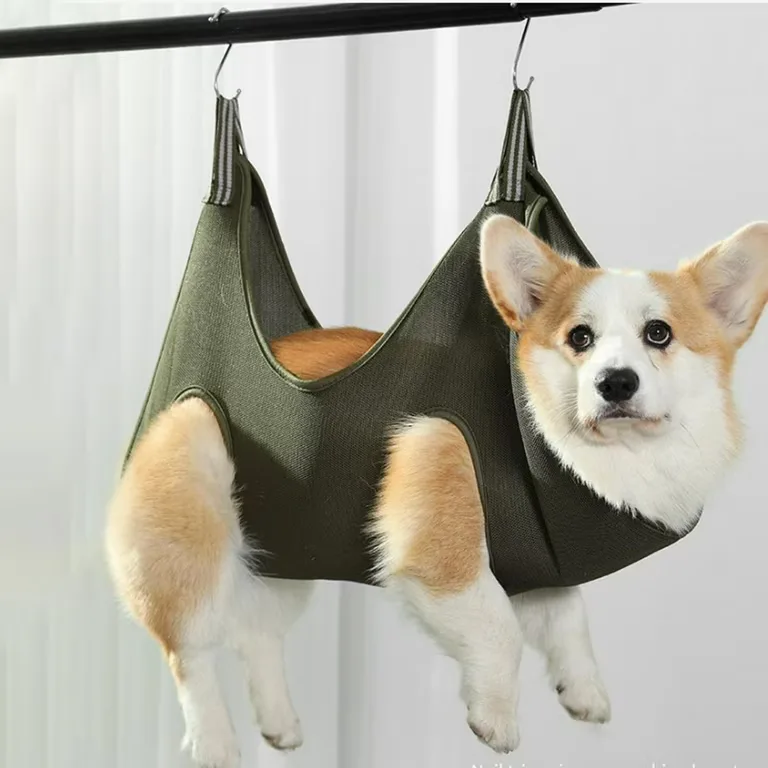
Know why double loops, belly pressure, or hanging-style support deserve scrutiny

Extra restraint systems are usually introduced as a way to keep everyone safer, but they can create new problems when the dog continues to struggle inside them. Neck pressure, twisting, forced standing, and awkward load on the spine or belly all become more important when the dog is not calm.

matters even more for seniors, dogs with weak joints, dogs with painful skin or hidden lumps, and dogs that already have a history of panic on the table. A setup that looks tidy from across the room may still be the wrong match for the dog in it.

Owners do not need to interrogate the groomer about every tool name. They do need to ask what the salon avoids using and how they reduce force when a dog is having a hard time.

  • Ask whether the salon uses extra head loops, belly bands, or suspended restraint methods.
  • Mention any history of back pain, tumors, skin lumps, or mobility trouble before the visit.
  • Choose a salon that is willing to stop, reset, or shorten the groom when the dog is struggling.
Are Grooming Restraints Safe for Dogs?

Ask what safer alternatives look like in practice

A safer answer usually sounds less dramatic than owners expect. It may be a second person helping, more frequent breaks, shorter appointments, a soft breathable muzzle for a dog with bite risk, or splitting the groom into smaller sessions.

Those choices are not always faster, but they often tell you more about the salon's priorities. The goal is not a perfectly still dog at any cost. The goal is finishing the groom with as little physical and emotional fallout as possible.

If the groomer can explain how they handle stress, when they stop, and how they communicate after a rough appointment, you are getting a better picture of safety than any generic promise on a booking page.

  • Ask whether another staff member helps with difficult handling moments.
  • Ask when the salon recommends breaks, partial grooms, or rescheduling.
  • Prefer clear handling policies over a simple promise that the dog will be fine.

FAQ

Frequently asked questions

Is any grooming restraint automatically unsafe?

No. A basic supervised safety loop can be part of routine table handling. The bigger concern is when extra restrictive setups are used to overpower fear, pain, or constant struggling instead of adjusting the grooming plan. That keeps are grooming restraints safe for dogs tied to a real home-care routine instead of guesswork.

What should I ask my groomer about restraint use?

Ask what they use for normal table safety, when they add anything beyond that, how they handle a dog that keeps trying to sit or twist, and whether another person helps with nervous dogs. For are grooming restraints safe for dogs, the safer version is usually the one that leaves less cleanup and less stress afterward.

Why are belly bands or extra head restraints a concern for some dogs?

They can add pressure or awkward leverage when a dog is scared, sore, or fighting the setup. That is more concerning for dogs with joint issues, weak backs, skin lumps, or a strong panic response. On are grooming restraints safe for dogs, start by checking the routine before assuming the problem came out of nowhere.

What signs after grooming suggest I should review the salon handling plan?

Look harder if your dog comes home unusually sore, shut down, frantic about future appointments, or tender around the neck, belly, or back. Those patterns do not prove one cause, but they are worth discussing before the next groom. For are grooming restraints safe for dogs, the safer version is usually the one that leaves less cleanup and less stress afterward.