

Dog Bathing Guide: How Often to Bathe a Dog and Best Bath Tips

Groomingdales guide

Dog Bathing Guide

Bathing works best when it is timed well, prepared well, and followed by proper drying and coat care.

Dog standing calmly in a bathtub during bath time
PublishedApril 14, 2026
UpdatedMay 11, 2026

Bathing works best when it is timed well, prepared well, and followed by proper drying and coat care.

This guide explains dog bathing with specific steps, sensible tool choices, and clear signs that it is time to call a veterinarian.

Quick read

Key takeaways

  • Build the bathing routine around the jobs that most often cause discomfort or buildup, not around a perfect all-at-once schedule.
  • Use tools that are gentle enough to repeat regularly and simple enough to keep within reach.
  • When a basic home routine stops working, treat that as a clue to inspect the skin, coat, or nails more closely instead of cleaning harder.
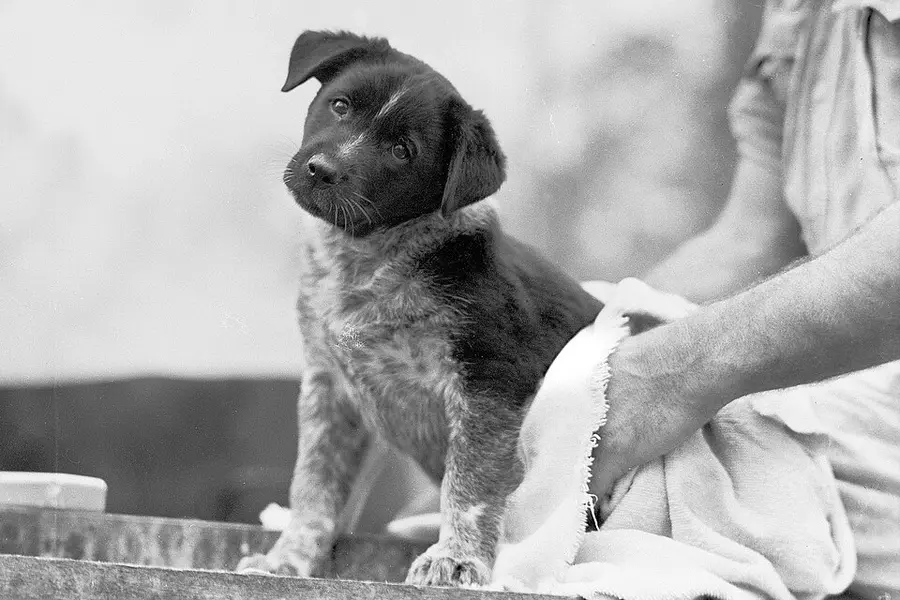
Dog being dried after a bath

How Often Dogs Need Baths

There is no single grooming calendar that fits every dog. Short coats, long coats, oily skin, active outdoor routines, and indoor apartment life all change how quickly coat care builds up.

A good schedule is one you can notice and maintain. If brushing keeps tangles away, the timing is working. If nails begin clicking or the coat starts knotting before the next session, shorten the gap.

  • Use coat condition as your guide
  • Short, frequent sessions are easier to maintain
  • Adjust sooner if tangles, odor, or long nails start building up

How to Bathe a Dog at Home

Wet the coat gradually, work in dog-safe shampoo, and pay extra attention to thick coat areas that hold product. Rinse until the water runs clean and the coat no longer feels slippery.

Drying matters almost as much as washing. Use towels thoroughly, and if the coat is dense, keep drying until dampness is no longer trapped close to the skin.

  • Brush first if the coat tangles easily
  • Rinse longer than you think you need to
  • Dry dense coat areas thoroughly
Sponsored

What Makes Bathing Easier

Dog Bathing Guide gets easier when you break the job into small repeatable steps instead of waiting for buildup.

In this section, focus on what makes bathing easier by choosing the right tool, using light pressure, and watching how the skin or coat responds.

Common Bathing Questions

Once the basics are clear, the next useful step is usually to zoom in on the specific part of grooming that causes the most friction at home.

That is why the related reading below is organized around tasks and common problems rather than broad, generic overviews.

Related Bathing Guides

Once the basics are clear, the next useful step is usually to zoom in on the specific part of grooming that causes the most friction at home.

That is why the related reading below is organized around tasks and common problems rather than broad, generic overviews.

FAQ

Frequently asked questions

How often should you bathe a dog?

Many healthy dogs do well with baths every few weeks to every couple of months, but coat type, skin sensitivity, and lifestyle can move that timing either way. On dog bathing, that timing works best when you act before buildup becomes obvious.

Can you bathe a dog too often?

Yes. Bathing too often can dry the skin and strip the coat, especially if the shampoo is strong or the dog is already sensitive. For dog bathing, the safer version is usually the one that leaves less cleanup and less stress afterward.

How can you keep a dog clean between baths?

Brush out loose dirt before it settles in, wipe the paws and belly after messy walks, spot-clean saliva or food on the face the same day, and dry damp coat fully instead of letting moisture sit. Those small cleanup steps usually stretch bath time better than repeating full washes. For dog bathing, the safer version is usually the one that leaves less cleanup and less stress afterward.