
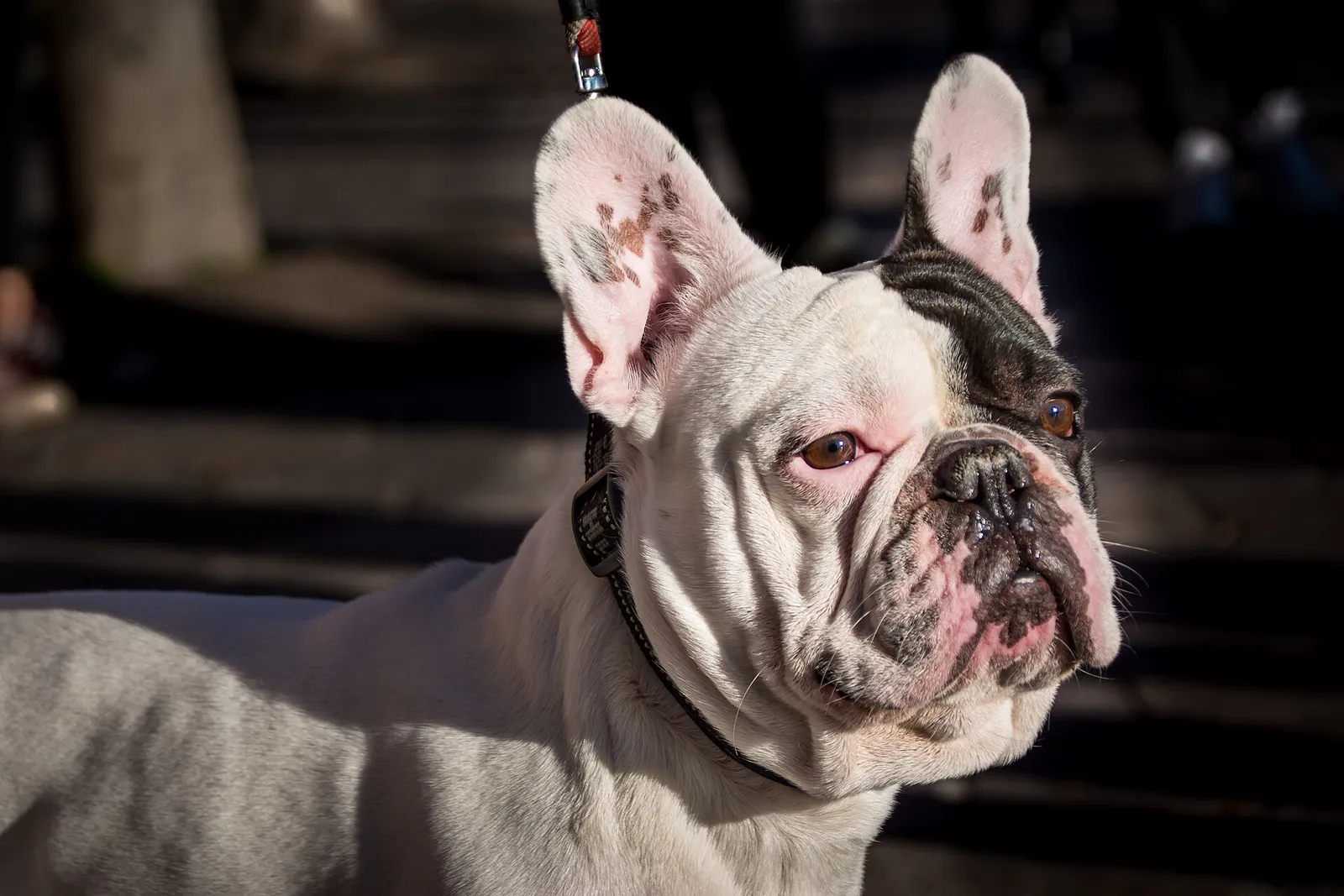
How to Clean Dog Face Folds

Groomingdales guide

How to Clean Dog Face Folds

Explain a gentle routine for cleaning dog face folds and keeping them dry between full grooming sessions.

How to Clean Dog Face Folds illustration 1
PublishedApril 24, 2026

Learning how to clean dog face folds is mostly about being gentle, thorough, and patient enough to dry the skin well afterward. Moisture, food residue, tears, and a little skin oil can collect in those creases fast, especially on short-faced breeds.

The safest routine uses a soft cloth or gauze, a dog-safe cleanser if your veterinarian recommends one, and a light hand around the eyes and nose. The goal is not to scrub the fold pink. The goal is to lift away buildup, check the skin, and leave the area clean and fully dry.

Quick demo

Watch the fold-cleaning technique up close

Watch how the cloth follows the crease, then notice how carefully the skin is dried afterward. The light touch around the eye area is the part worth paying closest attention to before you try this on your own dog.

  • Look at how little pressure is used when the cloth moves near the eye and lip line.
  • Notice that the fold is opened only enough to clean it, not stretched hard or scrubbed aggressively.
  • Pay attention to the drying step at the end, because leaving the crease damp often causes the next round of irritation.

Video source: Molitor Pet Clinic Staff

Quick read

Key takeaways

  • Set out gauze or a soft cotton pad, a dry towel, and any vet-approved cleanser before you start so the fold is not left damp while you look for supplies.
  • Wipe debris out with short, gentle passes, then open the fold slightly and pat it dry all the way to the base.
  • If the skin looks red, smells sour, feels sticky, or your dog flinches when touched, stop home treatment and call your veterinarian.

Why Face Folds Need Regular Checks

Face folds trap exactly the kind of mess that irritates skin: tears, saliva, food crumbs, and humidity. When that sits in a warm crease, the skin softens, rubs against itself, and can start to smell or look angry surprisingly quickly.

A quick daily glance often prevents a much bigger cleanup later. You are checking for dampness, brown staining, trapped debris, redness, rubbing, or a yeasty smell rather than waiting until the area is obviously sore.

  • Part the fold gently with clean fingers and look all the way into the crease under good light.
  • Check whether the skin is dry and pale pink rather than red, sticky, or shiny-wet.
  • Notice odor early; a sour or musty smell usually means moisture or debris has been sitting there too long.
  • If one side looks worse than the other, compare both so you can catch a new problem before it spreads.

What to Use and What to Avoid

For most dogs, you only need a few things: soft gauze or cotton rounds, a clean washcloth, a dry towel, and sometimes a vet-approved cleansing pad or antiseptic solution. Keeping the tool list short helps you stay gentle and consistent.

Avoid anything harsh, heavily scented, or too wet. Face folds sit next to the eyes and nose, so products that are fine elsewhere on the body can sting badly here.

  • Use soft gauze, cotton rounds, or a lint-free cloth that will not leave fuzz inside the fold.
  • If you need a cleanser, choose one your veterinarian or groomer trusts for facial skin rather than human soap, peroxide, alcohol, or essential oils.
  • Keep a second dry cloth nearby so drying happens immediately after cleaning.
  • Skip rough scrubbing pads and avoid soaking the area; too much liquid often creates the same dampness problem you are trying to fix.
Sponsored

A Gentle Fold-Cleaning Routine

If you are wondering exactly how to clean dog face folds, start with your dog settled on a non-slip surface and keep the session brief. A calm hold under the chin usually works better than trying to pin the head still.

Work from the least dirty area to the messiest area, and switch to a clean pad as soon as the one in your hand looks soiled. That prevents you from wiping old debris right back into the skin.

  • Wash your hands, then dampen gauze lightly with warm water or your dog-safe cleanser; it should feel moist, not dripping.
  • Lift the fold just enough to see inside and wipe with one slow pass from the inner part of the crease outward.
  • Use fresh gauze for a second pass if you still see residue, tear staining, or sticky buildup.
  • Around the eyes, reduce pressure even more and wipe outward so loosened debris does not get pushed toward the eye.
  • Stop if the skin bleeds, your dog cries out, or the area looks ulcerated, because that is beyond an ordinary home cleanup.

How to Keep the Area Dry Afterwards

Drying is the part many owners rush, but it is what keeps the fold from turning damp again ten minutes later. Even a good cleaning can backfire if moisture stays tucked into the crease.

Some dogs need only a quick pat-dry after meals or after drinking. Others with deep folds may need a proper wipe and dry once or twice a day, especially in hot weather or during allergy season.

  • Use a clean dry gauze pad or towel corner to press into the fold instead of rubbing back and forth.
  • Hold the fold open for a moment so air reaches the skin before it closes again.
  • After drinking, eating wet food, or coming in from rain, do a quick moisture check even if you are not doing a full clean.
  • For dogs with mild staining but healthy skin, a simple dry wipe between full cleanings is often enough to keep buildup from starting.

Signs the Skin Needs Extra Attention

Normal face-fold care should leave the skin cleaner and more comfortable, not more irritated. If the area keeps flaring up despite careful cleaning, there may be an infection, allergy problem, or anatomy issue that needs veterinary treatment.

Trust what the skin is telling you. Pain, discharge, swelling, and persistent odor are not signs to clean harder; they are signs to get help.

  • See your veterinarian if the fold smells foul, leaks pus, or stays red for more than a day or two.
  • Book a vet visit if your dog rubs the face constantly, resists touch, or cries when you open the fold.
  • Ask for medical advice if you notice bleeding, raw skin, thick brown discharge, or crusts that come right back after cleaning.
  • If flare-ups keep returning, bring photos and tell the vet how often you clean so they can adjust the routine or prescribe treatment.

FAQ

Frequently asked questions

How often should you clean dog face folds?

That depends on how deep the folds are and how much moisture collects there. Many dogs do well with a quick daily check and a fuller cleaning a few times a week, while dogs with deeper folds may need gentle cleaning and drying every day.

Can you use wipes on dog face folds?

Yes, if the wipes are made for dogs and safe for facial use. Avoid strongly scented wipes, alcohol-based products, and anything that can sting near the eyes or leave the fold overly wet.

Why do dog face folds start to smell?

They usually start to smell when moisture, saliva, tears, skin oil, and debris stay trapped in the crease. That damp environment can irritate the skin and allow yeast or bacteria to build up.

Sponsored