
Dog Grooming Guide: Basics, Tips, Bathing, Brushing & More

Groomingdales guide

Dog Grooming Guide for Beginners

Start here for the core habits that keep a dog clean, comfortable, and easier to maintain between bigger grooming sessions.

Dog being brushed during a grooming session
PublishedApril 14, 2026
UpdatedMay 11, 2026

Start here for the core habits that keep a dog clean, comfortable, and easier to maintain between bigger grooming sessions.

This guide explains dog grooming with specific steps, sensible tool choices, and clear signs that it is time to call a veterinarian.

Quick read

Key takeaways

  • Build the grooming routine around the jobs that most often cause discomfort or buildup, not around a perfect all-at-once schedule.
  • Use tools that are gentle enough to repeat regularly and simple enough to keep within reach.
  • When a basic home routine stops working, treat that as a clue to inspect the skin, coat, or nails more closely instead of cleaning harder.

What Dog Grooming Includes

Dog grooming is a group of small care tasks rather than one big event. It usually includes brushing, bathing when needed, nail trims, ear checks, and paying attention to the mouth, skin, and coat condition.

Some dogs need very little beyond brushing and nail care, while long-coated or mat-prone dogs need more frequent upkeep. The useful mindset is to separate routine maintenance from occasional deeper grooming work.
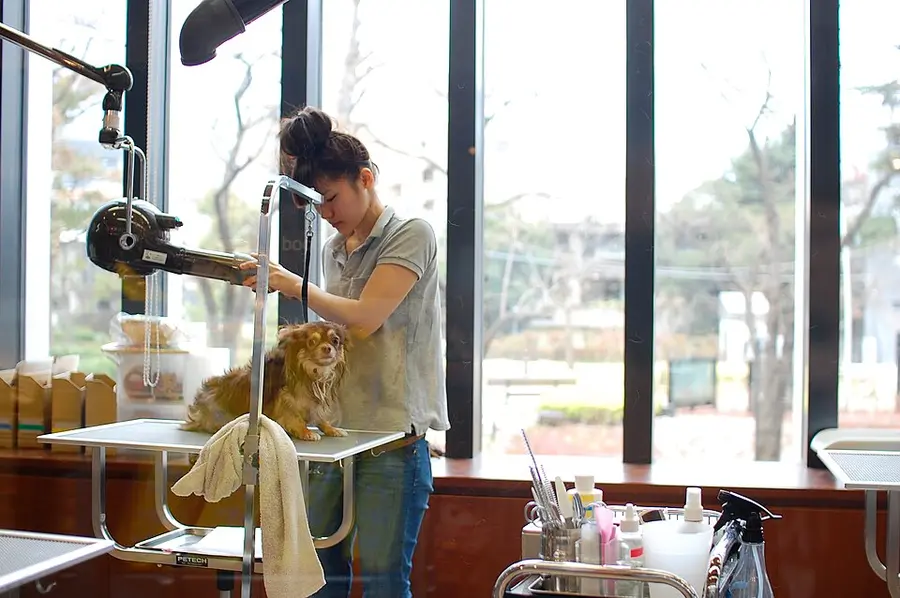
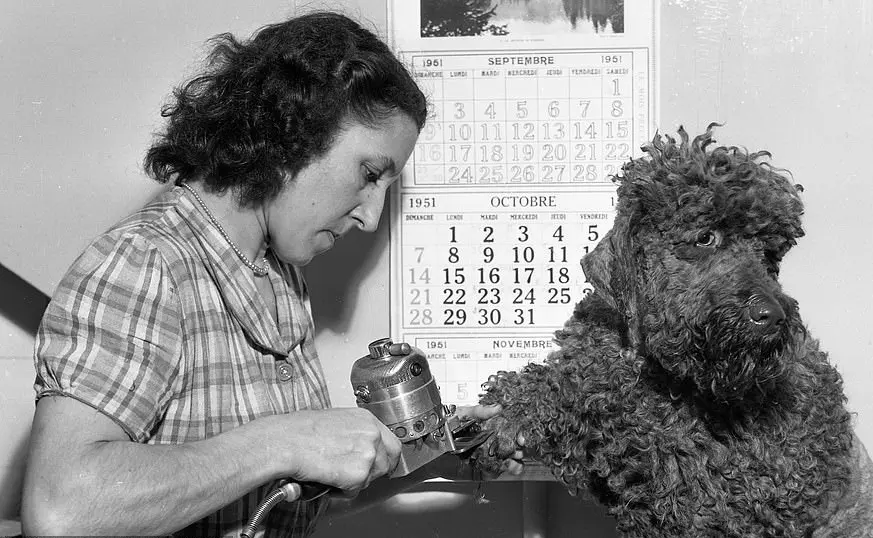
Dog bathing supplies prepared for use at home

The Main Parts of a Grooming Routine

For most households, the routine starts with brushing because it prevents problems before they become visible. Bathing comes in when the dog is dirty, oily, or starting to smell, while nail and mouth care sit on their own repeating schedule.

Those jobs support each other. A brushed coat dries better after a bath, shorter nails improve comfort and footing, and quick ear or mouth checks help you catch issues before they turn into a vet visit.

  • Brush on a regular schedule
  • Bathe only when the coat or skin actually needs it
  • Check nails, ears, and teeth separately instead of waiting for a full grooming day
Sponsored

How Grooming Needs Change by Coat Type

Dog Grooming Guide for Beginners gets easier when you break the job into small repeatable steps instead of waiting for buildup.

In this section, focus on how grooming needs change by coat type by choosing the right tool, using light pressure, and watching how the skin or coat responds.

Best Beginner Guides to Read Next

Dog Grooming Guide for Beginners gets easier when you break the job into small repeatable steps instead of waiting for buildup.

In this section, focus on best beginner guides to read next by choosing the right tool, using light pressure, and watching how the skin or coat responds.

Common Dog Grooming Questions

Once the basics are clear, the next useful step is usually to zoom in on the specific part of grooming that causes the most friction at home.

That is why the related reading below is organized around tasks and common problems rather than broad, generic overviews.

Dog receiving a close routine grooming check

FAQ

Frequently asked questions

What counts as dog grooming?

Basic dog grooming usually includes brushing, bathing when needed, nail trims, and quick checks of ears, teeth, skin, and coat condition. That keeps dog grooming tied to a real home-care routine instead of guesswork.

How often do dogs need grooming?

Most dogs need some grooming every week, but the exact schedule depends on coat length, shedding, matting risk, bathing needs, and nail growth. On dog grooming, that timing works best when you act before buildup becomes obvious.

Can you groom a dog at home?

Yes. Most owners can handle routine brushing, bathing, and basic upkeep at home as long as they keep the routine simple and stop before the dog becomes too stressed. For dog grooming, the safer version is usually the one that leaves less cleanup and less stress afterward.