What Is a Broken Coat on a Dog? How to Identify It and Groom It Properly

Groomingdales guide

What Is a Broken Coat on a Dog?

Help owners identify a broken coat correctly and avoid grooming choices that soften texture or miss the coat's real maintenance needs.

PublishedMay 13, 2026

Short answer

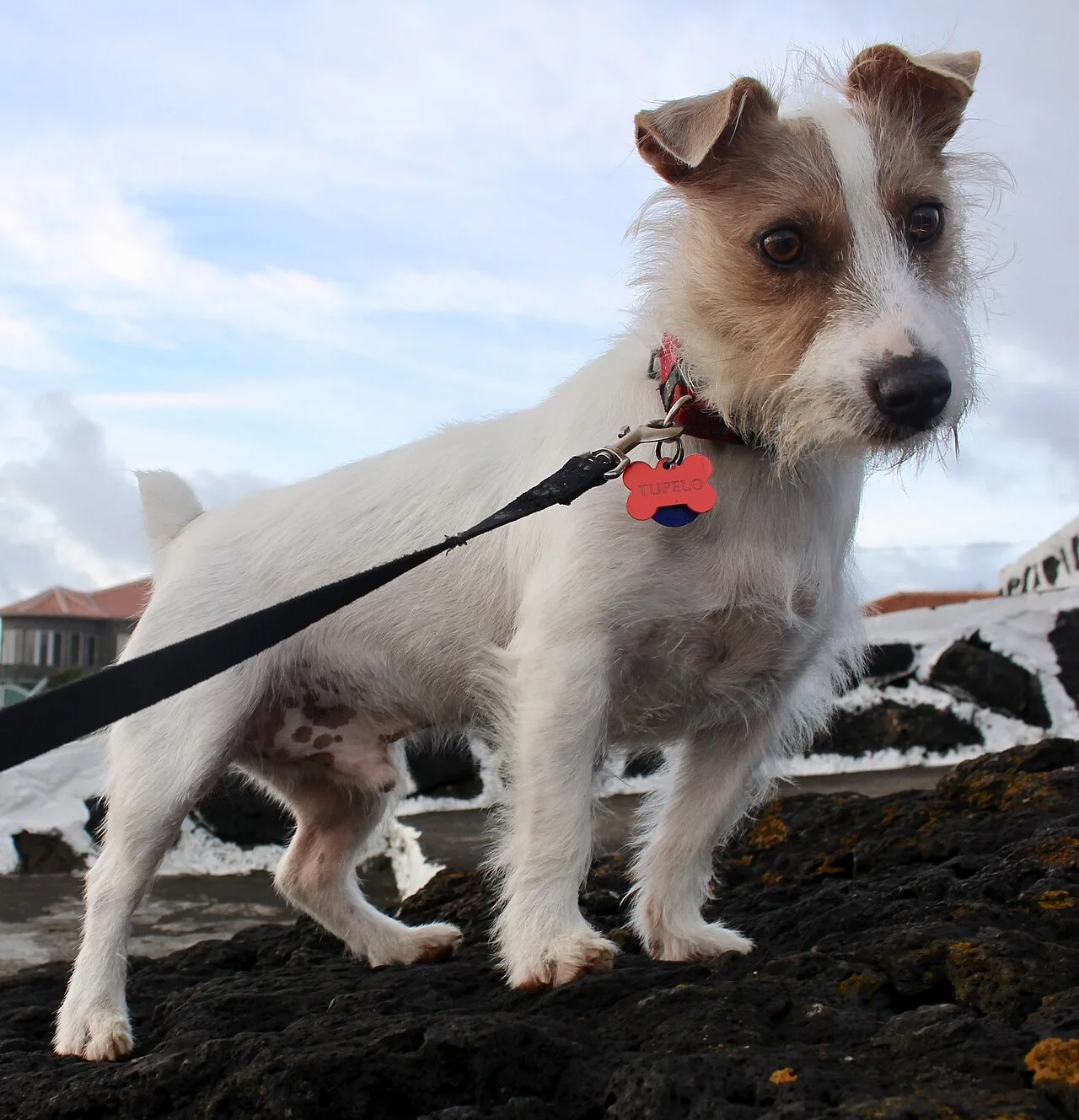
A broken coat on a dog is a coat that sits between smooth and rough. It usually has a wiry or crisp feel, some longer scruffy pieces around the face, legs, or body, and less length overall than a full rough coat. Owners often notice that the dog does not look sleek like a smooth-coated dog, but also does not carry the heavier furnishings of a rough-coated one.

The practical part is grooming it correctly. Broken coats often do best when you preserve texture, clear dead hair out regularly, and avoid treating the coat like a fluffy long coat that needs constant soft brushing. If the coat is clipped too aggressively or maintained with the wrong routine, it can lose some of its harsher feel and start looking dull or blown out.

Quick demo

SEVERELY Damaged Coat Cut

Welcome! I'm Marybeth, I own Rover's MakeoverDogGrooming in Oklahoma. I am adoggroomer of 15 years providing free ...

  • Channel: Rover's Makeover Dog Grooming
  • Published: 1年前

Video source: Rover's Makeover Dog Grooming

What a Broken Coat Usually Looks and Feels Like

The easiest way to spot a broken coat is to stop looking only at length and start looking at texture. A broken coat often feels firmer and crisper than a smooth coat, but it does not carry the fuller, shaggier finish of a rough coat. You may see eyebrow hair, beard growth, leg feathering, or random longer guard hairs across the body without the dog looking heavily coated overall.

That uneven, slightly scruffy outline is normal for this coat type. On many dogs, the body coat stays fairly close while the face and legs show the coat's harsher personality more clearly. If the dog looks tidy one week and shaggy the next, that does not automatically mean the coat is wrong. It often just means dead coat is ready to come out.

  • The coat usually feels wiry or crisp instead of silky or plush.
  • Longer trace hair often shows on the face, legs, chest, or along the topline.
  • The dog may look naturally tousled rather than sleek or fully furnished.
What Is a Broken Coat on a Dog? How to Identify It and Groom It Properly

Broken Coat vs Smooth Coat vs Rough Coat

Smooth coats lie flatter, feel shorter, and usually have very little furnishing on the face or legs. Rough coats carry much more visible wire texture and longer growth across the body, especially around the muzzle, brows, and legs. Broken coats land in the middle, which is why owners often mislabel them when they first start learning coat types.

If you are unsure, check three places: the face, the legs, and the body texture at the shoulder. A smooth coat usually stays short and close everywhere. A rough coat tends to announce itself immediately with heavier facial and body furnishing. A broken coat often shows just enough extra texture and trace hair to look untidy in a good way without becoming fully rugged.

  • Smooth coat: close, sleek, minimal furnishings.
  • Broken coat: mixed texture, moderate trace hair, scruffy outline.
  • Rough coat: stronger furnishings, longer wire finish, fuller terrier look.
What Is a Broken Coat on a Dog? How to Identify It and Groom It Properly
Sponsored

How to Groom a Broken Coat Without Softening It Too Much

Broken coats usually respond best when you remove dead coat before it piles up. That can mean hand stripping, carding, or a lighter maintenance routine with the right de-shedding or grooming tools depending on whether the dog is a show dog or a practical pet trim dog. The main goal is to clear old hair without turning the whole coat fluffy and soft.

For pet owners at home, a realistic routine is usually a weekly coat check, a brush-through that reaches the skin, and attention to the beard, brows, legs, and jacket where the coat texture changes. If you clip the dog, understand what you are trading: clipping is faster, but repeated clipping can gradually make some broken coats feel softer, flatter, and less vivid in color or texture.

  • Brush in layers instead of skimming over the topcoat.
  • Use a comb after brushing to check the beard, legs, and friction spots.
  • If preserving harsh texture matters, ask a groomer whether hand stripping or carding is realistic for your dog.

Best Home Tools for Maintenance

Most owners do not need a huge toolkit, but they do need the right one. A medium slicker or pin brush can help open the outer coat, while a metal comb confirms whether the hair is actually separated down to the skin. On dogs that build dead jacket hair, some owners also benefit from a stripping stone, carding knife, or a de-shedding tool used with a light hand and clear purpose.

The wrong tool is usually one that either does nothing or does too much. Very soft brushes can make the coat look neat for ten minutes without clearing old hair, while aggressive raking can irritate the skin and break healthy coat. A short, controlled session every week is usually safer than waiting until the dog looks overgrown and then trying to fix everything in one pass.

  • Use a comb as the final check, not just the brush alone.
  • Choose tools that lift dead hair rather than scrape the skin.
  • Keep sessions short around the beard, armpits, and leg furnishings where dogs often become impatient.

When It Is Better to See a Groomer

A professional is worth involving when you want to keep the terrier texture as intact as possible, when the dog has obvious jacket buildup, or when you are not confident using stripping or carding tools. The same is true if the coat has started matting behind the ears, under the collar, or in the leg furnishings, because those spots often need a cleaner technique than owners expect.

It is also smart to get help if the dog's skin looks red, flaky, or bumpy under the wiry coat. Broken coats can hide irritation surprisingly well, and forcing extra brushing on irritated skin usually makes the appointment harder, not easier. A groomer or veterinarian can help you separate normal coat maintenance from a skin issue that needs treatment first.

  • Book a groomer if you want texture preservation, not just shorter length.
  • Get help when dead coat is packed in and the jacket no longer releases easily.
  • See a vet if skin redness, odor, crusting, or sudden hair loss shows up under the coat.

FAQ

Frequently asked questions

Is a broken coat the same as a rough coat?

No. A broken coat sits between smooth and rough. It usually has some wiry furnishings and scruffy trace hair, but it does not carry as much length or full-bodied furnishing as a true rough coat. That keeps what is a broken coat on a dog tied to a real home-care routine instead of guesswork.

Can you clip a broken coat dog?

Yes, many pet dogs with broken coats are clipped, especially when owners want easier upkeep. The tradeoff is that repeated clipping can soften texture over time and make the coat look flatter or less crisp than it would with more texture-preserving maintenance. For what is a broken coat on a dog, the safer version is usually the one that leaves less cleanup and less stress afterward.

What is the best brush for a broken coat dog?

There is not one universal answer, but a practical starting pair is a brush that opens the wiry outer coat plus a metal comb that confirms you reached the skin. On some dogs, owners also need a carding or stripping-style tool to clear dead coat, especially if the jacket starts looking heavy, faded, or uneven. That keeps what is a broken coat on a dog tied to a real home-care routine instead of guesswork.