
Dog Nail Care Guide: Trimming Tips, Schedules, and Common Problems

Groomingdales guide

Dog Nail Care Guide

Regular nail care supports posture, traction, and comfort, especially for indoor dogs who do not wear nails down naturally.

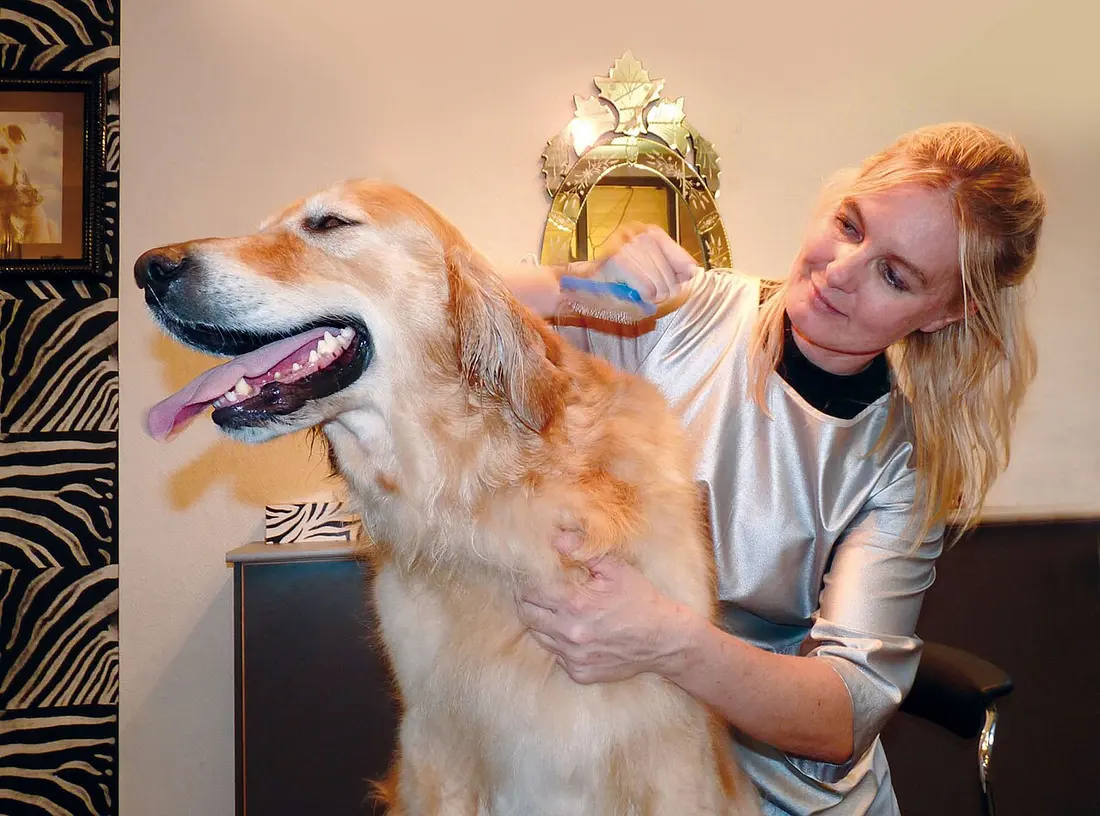
Dog standing for close grooming care
PublishedApril 14, 2026
UpdatedMay 11, 2026

Regular nail care supports posture, traction, and comfort, especially for indoor dogs who do not wear nails down naturally.

This guide explains dog nail care with specific steps, sensible tool choices, and clear signs that it is time to call a veterinarian.

Quick read

Key takeaways

  • Build the nail care routine around the jobs that most often cause discomfort or buildup, not around a perfect all-at-once schedule.
  • Use tools that are gentle enough to repeat regularly and simple enough to keep within reach.
  • When a basic home routine stops working, treat that as a clue to inspect the skin, coat, or nails more closely instead of cleaning harder.

Why Nail Care Matters

Overgrown nails affect more than appearance. They can change how a dog stands, reduce traction on hard floors, and make everyday movement feel awkward or tender.

Regular trims keep the quick from growing too far forward and make each future trim easier. Waiting too long usually turns a small maintenance job into a stressful one.

Signs a Dog Needs a Nail Trim

Dog Nail Care Guide gets easier when you break the job into small repeatable steps instead of waiting for buildup.

In this section, focus on signs a dog needs a nail trim by choosing the right tool, using light pressure, and watching how the skin or coat responds.

Sponsored

How Often Nail Trims Usually Happen

There is no single grooming calendar that fits every dog. Short coats, long coats, oily skin, active outdoor routines, and indoor apartment life all change how quickly coat care builds up.

A good schedule is one you can notice and maintain. If brushing keeps tangles away, the timing is working. If nails begin clicking or the coat starts knotting before the next session, shorten the gap.

How to Make Nail Care Easier

When a dog dislikes grooming, the answer is usually to lower the intensity, not to force the whole job at once. Short sessions, predictable handling, and stopping while the dog is still coping build progress faster than restraint alone.

Pair the routine with calm rewards and keep your own movements steady. Dogs read hesitation and frustration quickly, so a quiet pace often changes the outcome more than a new tool does.

Common Nail Care Questions

Most nail-trim concerns come down to timing, visibility, and dog tolerance. Owners usually worry about trimming too much, but waiting too long often creates its own cycle of stress.

The safest approach is to trim small amounts regularly and keep the experience neutral enough that the dog does not dread the next round.

FAQ

Frequently asked questions

How often should you trim dog nails?

A lot of dogs need nail trims about every three to six weeks, though activity level and walking surfaces can shorten or lengthen that gap. On dog nail care, that timing works best when you act before buildup becomes obvious.

How do you trim black dog nails?

Trim very small amounts at a time under bright light and stop early. Black nails make the quick harder to see, so caution matters more than speed. For dog nail care, shorter calmer sessions usually hold up better than trying to do everything at once.

Why do dogs hate nail trims?

Break the routine into very short sessions, trim less at a time, and build tolerance gradually instead of trying to finish everything in one go. For dog nail care, the safer version is usually the one that leaves less cleanup and less stress afterward.